Corteva seed spin-off Vylor targets $2 billion in incremental corn revenue by 2035
Vylor plans to launch seven corn technology platforms through 2035 and expects the portfolio to generate more than $2 billion in incremental revenue, including licensing. The Corteva seed and advanced genetics spin-off is scheduled to begin operating independently on October 1, 2026.
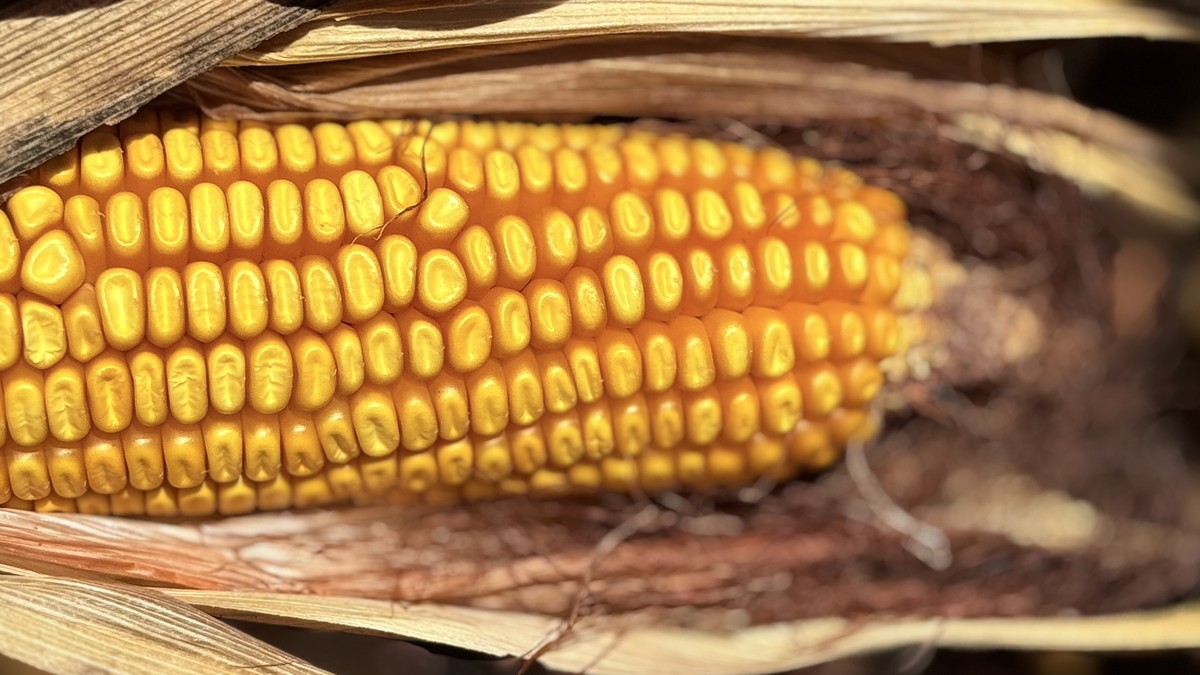
Seven technology platforms planned through 2035
Vylor, the seed and advanced genetics business being separated from Corteva, expects its new corn portfolio to generate more than $2 billion in incremental revenue by 2035, including income from licensing. The company is scheduled to begin operating as an independent, publicly traded business on October 1, 2026, subject to final approvals and other conditions.
Corteva said Vylor plans to introduce seven corn technology platforms through 2035. Together, those products are expected to be sold across 90% of Vylor’s corn business. The roadmap combines proprietary germplasm, biotechnology, gene editing, insect control, herbicide tolerance and traits designed to improve yield and yield stability. Licensing will be a central route to market alongside branded seed sales.
Latin America comes first in the launch schedule
The first major rollout is planned for Latin America in 2028. The Abranvo technology platform is intended to control fall armyworm through two new modes of action while combining yield and yield-stability characteristics with multiple forms of herbicide tolerance. Vylor then plans another generation of insect control featuring two additional proprietary modes of action against fall armyworm.
North America is due to receive Vylor’s next-generation above-ground insect-control technology in 2029, coupled with the company’s proprietary yield and yield-stability trait. According to Corteva, field trials across the Americas showed that corn carrying this trait produced an average increase of three bushels per acre, with gains reaching as much as 10 bushels per acre. The figures are trial results and do not guarantee identical performance across commercial fields.
Disease resistance and licensing shape the strategy
Further launches planned before the end of the decade include gene-edited, multi-disease-resistant corn. The technology is being developed to combat Northern Corn Leaf Blight, Grey Leafspot, Southern Rust and Anthracnose Stalk Rot. Vylor also intends to commercialize reduced-stature corn in market segments where it expects the product to offer the greatest value. In 2031, the company plans to launch a North American corn-rootworm product with two new non-Bt modes of action, one of them plant-based.
The spin-off will inherit a seed business that generated $9.9 billion in net sales in 2025 and supplied technology in more than 70 countries, according to Vylor’s regulatory filing. Corteva reported $7.002 billion of corn sales in the same year. The business includes Pioneer, which the filing describes as the leading corn and soybean seed brand in the United States, and holds more than 4,000 germplasm patents and more than 2,000 biotechnology patents. For seed producers and competitors, the key change is Vylor’s stated push from licensing third-party technology toward licensing more of its own traits and genetics. For growers, the commercial impact will depend on regional approvals, product pricing and whether field performance matches the results reported during development.