Volkswagen and Gotion expand LFP battery alliance with three regional ventures
Volkswagen, PowerCo and Chinese cell producer Gotion are expanding their cooperation through three joint ventures in Europe and North Africa. The multibillion-scale alliance is intended to secure lithium iron phosphate battery supply and support Volkswagen’s regional production strategy.
Three ventures broaden the battery partnership
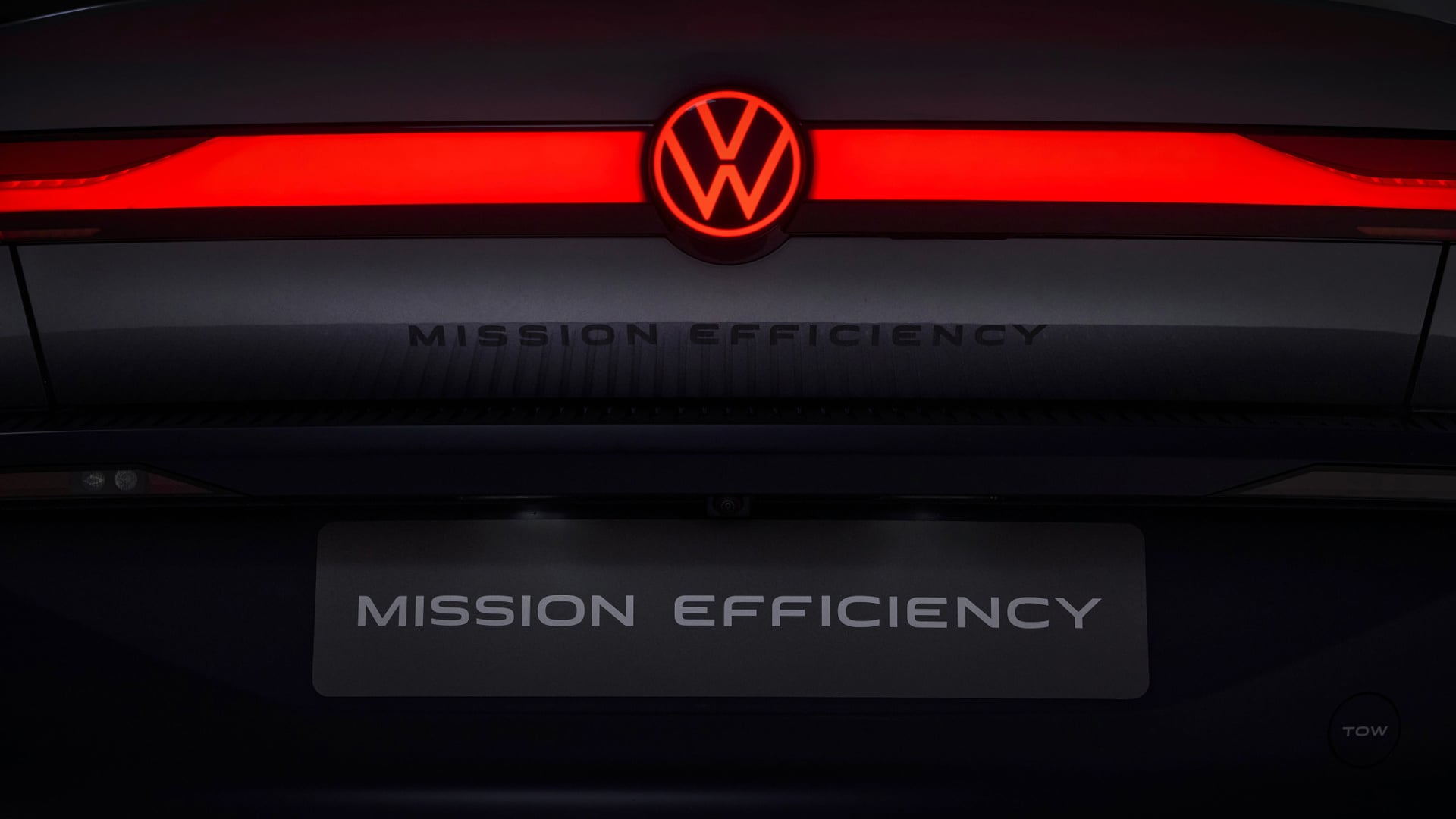
Volkswagen is expanding its relationship with Chinese battery-cell producer Gotion as the German automotive group seeks a more secure supply of lithium iron phosphate batteries. According to WinFuture, Volkswagen and its battery subsidiary PowerCo will establish three joint ventures with Gotion in Europe and North Africa.
The arrangement extends the partners’ cooperation across multiple regions rather than concentrating activity in a single plant or market. The available source material describes the agreement as a multibillion-scale deal but does not disclose the ownership structure, individual investment amounts, planned capacity, production timetable or specific locations of the three ventures.
LFP supply targets a critical cost component
Lithium iron phosphate, commonly known as LFP, is one of the principal battery chemistries used in electric vehicles. By strengthening its access to LFP cells, Volkswagen can address a component that has a direct bearing on vehicle production costs, sourcing reliability and the ability to plan output across factories. The alliance also gives Gotion a broader role within the European automaker’s battery supply network.
For Volkswagen and PowerCo, the commercial value will depend on the scale and timing of the capacity ultimately developed. A secured regional supply can reduce exposure to disruptions in long-distance procurement, but the source material does not specify whether the ventures will manufacture complete cells, undertake other stages of battery production or combine several activities. It also provides no information on prices, customer allocation or the vehicle models that could use the resulting batteries.
Europe and North Africa form a regional platform
The inclusion of both Europe and North Africa points to a production strategy spanning established automotive markets and a neighboring manufacturing region. Facilities in these areas could serve Volkswagen’s regional operations while giving Gotion a deeper industrial presence outside China. However, the precise division of work among the three companies has not been detailed in the supplied report.
The partnership may also help PowerCo coordinate battery sourcing with Volkswagen’s vehicle-production footprint. Battery cells are heavy, high-value industrial products, making factory location and logistics relevant to delivered costs and production continuity. Regional capacity can therefore matter to automakers even when raw materials and intermediate products continue to move through international supply chains.
Execution details remain central
The announcement signals strategic alignment between Volkswagen and Gotion, but its effect on the battery market cannot yet be quantified from the disclosed information. Capacity, commissioning dates, financing and plant locations will determine how quickly the ventures can influence procurement and vehicle output.
Battery producers, component suppliers and competing automakers will also watch whether the ventures create new demand for LFP-related materials and equipment in Europe and North Africa. Until the partners publish detailed operating plans, the clearest outcome is Volkswagen’s decision to deepen its dependence on a long-term industrial partnership with Gotion to secure LFP battery supply across two regions.