Visa Processing Changes Delay Reopening of Major Western Australia Abattoir
Plans to reopen a major abattoir in Western Australia have been suspended because the operator cannot recruit enough local workers. Changes to visa-processing priorities have also restricted access to overseas labour, delaying the return of regional livestock-processing capacity.
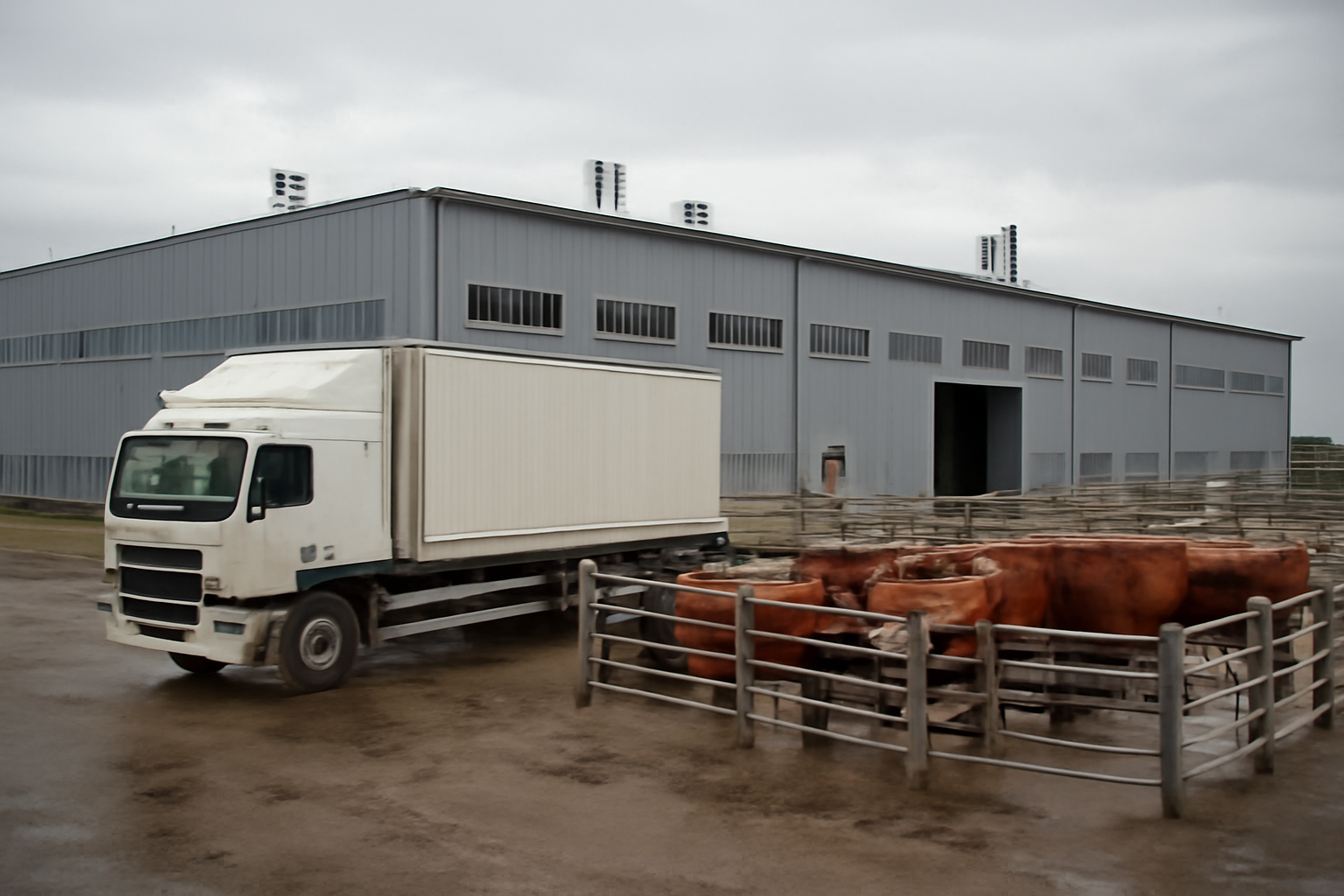
Labour shortage puts reopening on hold
Plans to reopen a major abattoir in Western Australia have been put on hold after changes to visa-processing priorities compounded an existing shortage of local workers. The facility has not been identified in the available information, and no revised opening date has been announced.
The operator has been unable to attract enough workers locally to restart the plant. Access to overseas labour had offered another possible recruitment channel, but the recent changes in visa-processing priorities have made that route less dependable. Without sufficient staffing, the business cannot proceed with the reopening as planned.
An abattoir restart requires more than filling a small number of individual vacancies. Processing lines depend on coordinated staffing across livestock handling, slaughter, cutting, packing, sanitation and plant operations. A shortage in one part of that chain can prevent the facility from running at a commercially viable level, even if equipment and livestock are available.
Regional processing capacity remains unavailable
The delay leaves a major piece of Western Australia's livestock-processing infrastructure out of operation. For producers, the practical issue is not simply the status of one plant but the amount of accessible slaughter capacity in the region. When a planned facility remains closed, livestock must continue to be handled by the processing options that are already operating.
That can affect competition for animals and the distances over which livestock must be transported. The precise impact will depend on the location and intended capacity of the unnamed plant, as well as conditions at other processors. Those details were not provided, so the scale of the disruption cannot yet be quantified.
The delay also affects businesses connected to the plant. Contractors, transport operators and local service providers cannot rely on the activity that a reopening would have generated. Livestock producers, meanwhile, have less certainty about future processing availability when making production and marketing decisions.
Visa policy becomes an operational constraint
The case shows how visa administration can directly influence food-processing capacity in regions where employers struggle to recruit locally. The immediate obstacle is labour rather than demand, livestock supply or plant equipment. A policy change affecting the order or speed in which applications are processed can therefore alter the timetable for bringing physical capacity back into production.
For the operator, the available options are limited to securing more domestic workers, obtaining overseas staff through the applicable visa channels or delaying the restart until recruitment conditions improve. Each route carries uncertainty. The information available does not specify how many employees are needed, which occupations are affected or which visa categories had been expected to supply workers.
No production volume, investment figure or financial effect has been disclosed. Even so, the postponement is a clear warning for livestock businesses and processors planning around the facility. Until a workforce is secured and a new opening schedule is confirmed, the abattoir cannot add the regional capacity that producers and other market participants had expected.