Vinh Long builds 120,000-hectare coconut cluster covering half of Vietnam’s planted area
Following its administrative merger, Vinh Long has about 120,000 hectares of coconut plantations, equal to roughly 50% of Vietnam’s total planted area. The scale creates a foundation for a concentrated production and processing cluster, while increasing the industry’s exposure to conditions in one province.
Half of Vietnam’s coconut area in one province
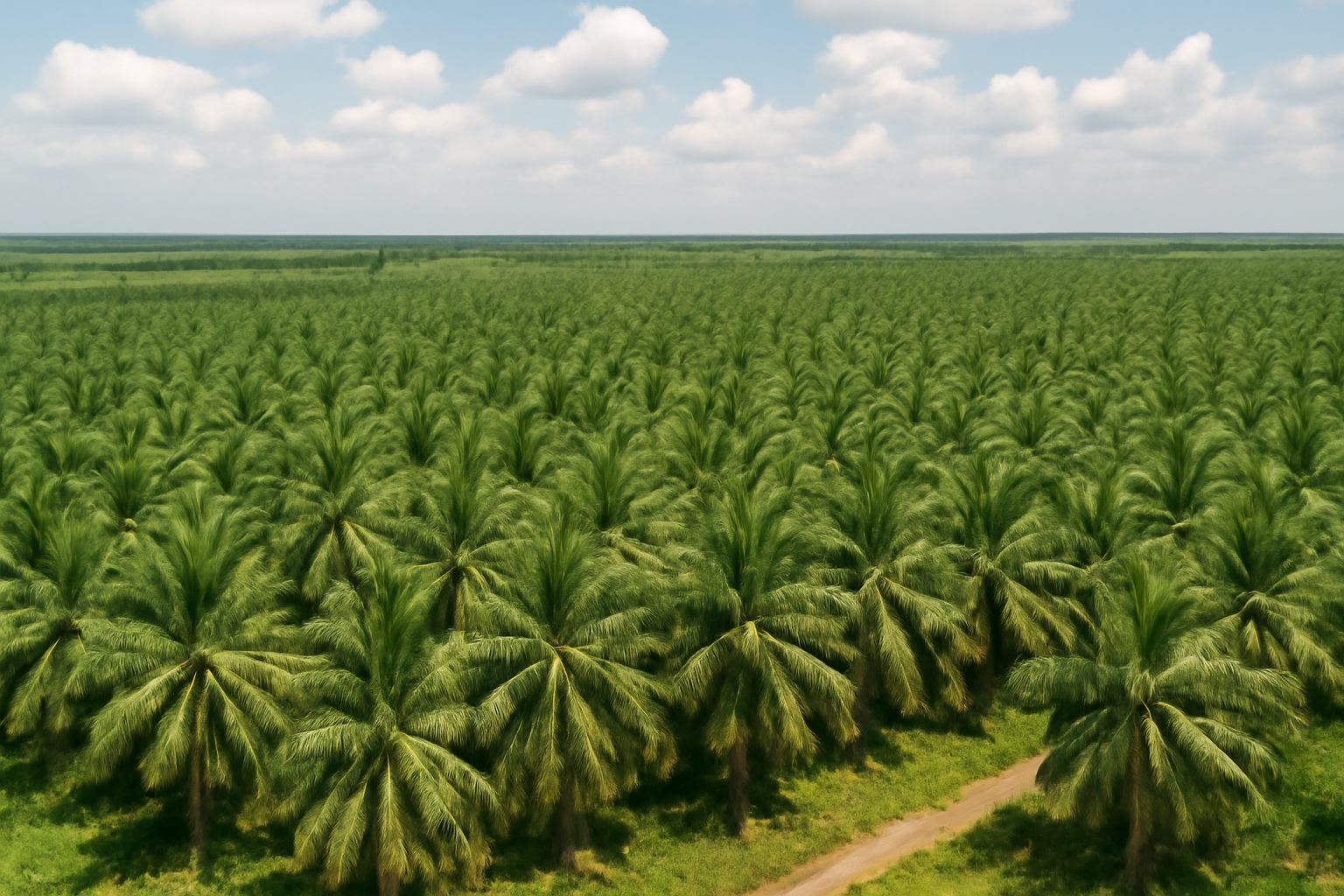
Vinh Long has emerged as Vietnam’s largest concentrated coconut-growing area following the province’s administrative merger. The province now has about 120,000 hectares planted with coconut, equivalent to roughly 50% of the country’s total coconut area. That concentration gives Vinh Long a central role in plans to strengthen the value chain and develop a large, coordinated raw-material zone for the industry.
The scale is significant for growers, processors and buyers. A production base covering half of the national planted area can support more consistent procurement, larger processing operations and closer coordination between farms and factories. It may also make it easier to organize cultivation standards and aggregate volumes across a broad but geographically connected supply base.
Processing becomes the critical link
Planted area alone will not determine the cluster’s commercial performance. The value created in Vinh Long will depend on whether processing capacity, storage, collection systems and product development expand alongside coconut production. Without those links, a large growing area can still face fragmented purchasing and uneven access to higher-value markets.
A concentrated raw-material base can improve factory utilization by giving processors access to substantial nearby supply. Shorter collection routes may also help businesses manage fresh coconuts and other perishable inputs. For producers, the practical benefit would come from dependable purchasing and clearer quality requirements rather than scale by itself.
The available information does not specify planned investment, processing capacity, output volumes or a timetable for developing the cluster. It also does not identify particular companies or projects. These omissions make it too early to assess how quickly Vinh Long can convert its plantation footprint into additional processed output or stronger market access.
Concentration creates opportunity and risk
Vinh Long’s share of national coconut acreage gives local decisions wider importance for Vietnam’s industry. Policies affecting cultivation, infrastructure and processing in the province could influence a substantial part of the country’s coconut supply. Producers and processors elsewhere may also have to compete with a hub capable of attracting investment, buyers and supporting services.
The same concentration creates supply-chain exposure. Weather, crop disease, logistics disruption or weak processing demand in Vinh Long could affect a large share of national production. Diversified sourcing within the province, stronger farm monitoring and sufficient handling capacity will therefore matter as the cluster develops.
The immediate strategic task is to connect the 120,000-hectare production base with commercially viable processing and reliable purchasing. If that coordination is achieved, Vinh Long can move beyond being a large cultivation zone and become the organizing center of Vietnam’s coconut industry. The province’s roughly 50% share of planted area provides the scale, but execution across farms, collection networks and factories will determine the value generated.