VinFast-led EV sales reshape Vietnam’s car market in first half of 2026
Vietnamese consumers bought 328,818 cars in the first half of 2026, up 29% year on year, with VinFast accounting for 115,916 deliveries. Battery-electric models dominated the best-seller ranking, while hybrid sales and demand for selected combustion vehicles also continued to grow.
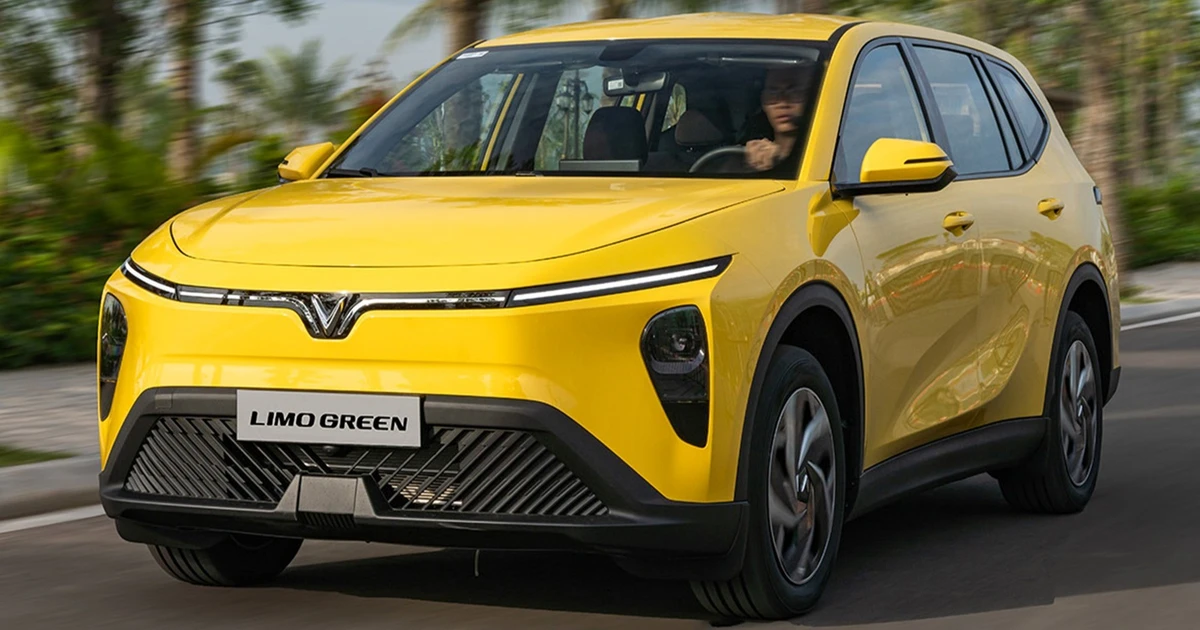
Electric models take six top-10 positions
Vietnam’s passenger-vehicle market shifted decisively toward electrified powertrains in the first half of 2026, although the change was concentrated around one domestic manufacturer. According to figures compiled by VietTimes from the Vietnam Automobile Manufacturers’ Association (VAMA), TC Motor and VinFast, consumers bought 328,818 cars during the six months, 29% more than a year earlier.
VinFast delivered 115,916 vehicles, an increase of 71.5%, lifting its market share from 26.5% to 35.2%. Six VinFast battery-electric models entered the ten best-selling cars and generated a combined 101,946 sales, close to 77% of the ranking’s total. The Limo Green led with 27,927 units, followed by the VF 3 with 23,781 and the VF 5 with 20,167. The VF 6 and VF MPV 7 ranked fourth and fifth, while the VF 7 occupied the final position.
The Limo Green’s result also highlights the importance of commercial transport and ride-service customers. For high-mileage operators, charging access and operating costs can carry more weight than driving characteristics or brand image. VinFast supports this proposition through pricing, financing and free-charging programs.
VinFast’s infrastructure widens the competitive gap
Vietnam now has about 40 officially distributed battery-electric models, ranging from the VinFast VF 2 at 188 million dong to the Rolls-Royce Spectre at 17.9 billion dong, VietTimes reported. Yet broader availability has not produced evenly distributed sales. Among non-VinFast electric brands, only Ford publishes regular sales figures for the Mustang Mach-E, while BYD, Geely, Wuling and several premium manufacturers do not disclose monthly model-level deliveries.
BYD said in January that it had sold 5,000 vehicles after two years in Vietnam, but that total combined battery-electric and hybrid models. Geely separately reported 1,200 orders for the EX2 and EX5 hybrid without providing a model breakdown. The limited disclosure makes it difficult to establish the actual scale of Vietnam’s non-VinFast electric segment.
Charging infrastructure reinforces VinFast’s position. V-Green operates about 150,000 charging ports nationwide and plans to add 99 large charging stations in 2026. Competing brands would need time and capital to reproduce that network, especially for customers who drive professionally or cannot rely on home charging.
Hybrids grow while combustion vehicles retain niches
VnEconomy, citing VAMA, reported that association members sold 149,761 vehicles in the first half, up 15%. Hybrid sales reached 10,865 units, an increase of 83%. In June alone, members sold 2,347 hybrids, 41% more than in May and 97% more than a year earlier. Hybrids are attracting drivers who want lower fuel consumption but remain concerned about charging availability or regularly travel long distances.
Combustion vehicles have consequently lost share without suffering an outright decline in demand. The four gasoline or diesel models in the top ten sold a combined 31,046 units. Toyota’s Yaris Cross and Mazda’s CX-5 each exceeded 8,000 vehicles, while Mitsubishi sold 7,791 Xpanders and Ford delivered 6,986 Rangers. Their positions reflect distinct uses: urban crossovers, family SUVs, seven-seat transport and pickups serving both work and personal travel.
Imports and multiple powertrains shape competition
Within VAMA, June sales of imported vehicles rose 10% from May to 18,563, while domestically assembled vehicle sales fell 4% to 12,541. Imported-vehicle sales for the full six months increased 23% year on year. This adds pressure on local manufacturers as they expand domestic electric and hybrid production.
Manufacturers are not abandoning combustion technology. THACO introduced 11 models and variants during the half-year, while Toyota launched a new-generation Hilux, Ford updated the Ranger and Hyundai added an upgraded Stargazer. Geely, Lynk & Co, Omoda & Jaecoo and GAC continue to emphasize gasoline and hybrid vehicles, and BYD is giving hybrids a larger role than during its initial battery-electric-focused market entry. Vietnam’s transition is therefore developing as competition among several powertrains, with VinFast dominating electric sales, hybrids expanding quickly and combustion models retaining demand where charging, resale value, repair coverage and long-distance convenience remain decisive.