Vietnamese Produce Expands Distribution Through Russia’s METRO Network
Vietnamese tropical fruit and processed produce are gaining wider online and physical distribution through METRO Cash & Carry Russia. Premium retail listings and demand from food-service buyers point to a shift toward branded, packaged and higher-value exports.
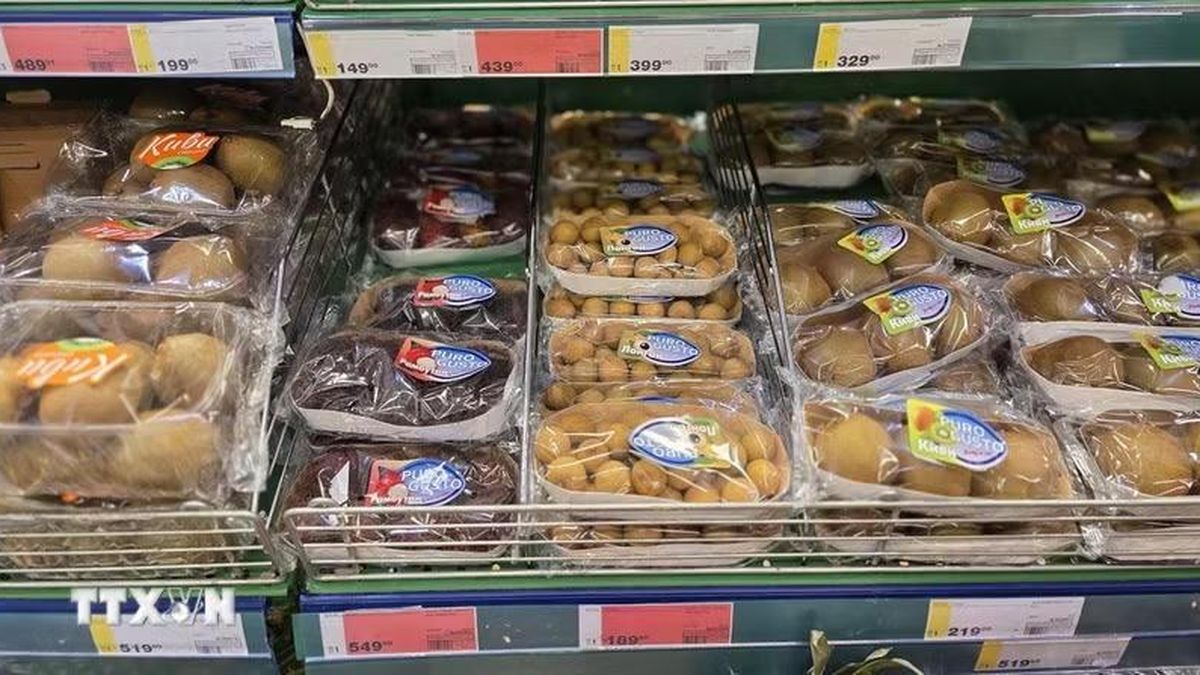
Vietnamese fruit gains space in Russian wholesale retail
Vietnamese tropical fruit and processed agricultural products are expanding their presence in Russia through the online and physical channels of METRO Cash & Carry Russia, according to Vietnamese news aggregator Báo Mới, citing Doanh nhân & Công lý.
Listings on METRO’s official Russian e-commerce platform show that several products originating in Vietnam are being positioned as premium imports. Drinking coconuts fitted with straws are listed at an average price of 389 rubles, or about $4.50, for a 900-gram unit. Rambutan is priced at 549 rubles for a 250-gram tray.
Fresh red dragon fruit and Vietnamese guava have also been listed on the platform, although both were out of stock at the time covered by the report. Their inclusion nevertheless broadens the range beyond products already familiar to Russian buyers and gives Vietnamese suppliers exposure through a national wholesale channel serving both commercial customers and individual shoppers.
Frozen products widen the value-added offer
The assortment is not limited to fresh fruit. Individually quick-frozen diced mango is offered at 239-259 rubles for a 300-gram bag. A 300-gram frozen fruit mix containing mango, banana and red dragon fruit is listed at 369 rubles.
These processed formats are important because they represent a move beyond shipments of unprocessed agricultural raw materials. Cutting, freezing, mixing and consumer-ready packaging allow more of the product’s value to be created before export. Frozen formats can also give distributors and food-service operators greater flexibility than highly perishable fresh fruit, although the source did not provide sales volumes or shipment data for either category.
METRO’s Russian business focuses heavily on corporate customers, particularly restaurants, hotels and other food-service operators. That customer base creates potential demand for both ready-to-use frozen ingredients and consistently graded fresh produce. The Trade Office of Vietnam in Russia previously held discussions with METRO’s purchasing development unit, which reported strong demand for fresh tropical fruit as well as lemons, oranges and pomelos imported into Russia.
Supplier standards remain a central condition
Vietnamese exporters seeking larger orders must deliver consistent quality and comply with METRO’s requirements for packaging, storage and delivery schedules, according to Báo Mới. Production facilities and warehouses must operate professionally, while products must meet Russian quarantine requirements and standards for industrial-scale packing.
METRO applies a commercial discount of 10% to 15% to agricultural orders purchased in large quantities. Suppliers therefore need to account for the retailer’s terms alongside processing, cold-chain, packaging and logistics costs when assessing the commercial viability of the channel. Premium shelf prices do not by themselves indicate the net return received by exporters.
The continuing availability of Vietnamese products through METRO suggests that participating suppliers can meet the chain’s packaging and phytosanitary conditions. However, the report did not disclose the number of stores carrying the products, the identity of the exporters, procurement volumes or the frequency of replenishment. The out-of-stock status of dragon fruit and guava could reflect demand or supply constraints, but the available information does not establish the cause.
Trade structure shifts toward branded distribution
According to trade statistics cited in the report, the composition of Vietnamese agricultural and seafood shipments to Russia has changed since the free trade agreement between Vietnam and the Eurasian Economic Union entered into force. The direction of travel has been away from raw materials and toward branded products distributed directly to consumers through large retail chains.
METRO’s listings provide a visible example of that shift. Fresh specialty fruit occupies a premium imported category, while frozen mango and mixed-fruit products add processing and convenience before shipment. For Vietnamese producers and processors, further expansion will depend on maintaining uniform specifications and reliable supply. For Russian wholesalers, hotels and restaurants, the channel offers a broader selection of tropical produce in both fresh and processed forms.