Vietnamese fruit, coffee and spice exports gain broader presence abroad
Vietnamese dragon fruit, durian, coconut, coffee, pepper, cashew, vegetables and ornamental plants are becoming more established in foreign markets, VinaNet reports. The widening product mix supports Vietnam’s effort to diversify agricultural exports beyond a limited group of commodities.
A broader range of Vietnamese products moves abroad
Vietnamese agricultural products are gaining a deeper presence in foreign markets, with established commodities and smaller horticultural categories reaching overseas buyers. VinaNet identified dragon fruit, durian, coconut, coffee, pepper and cashew among the products becoming more visible abroad. Herbs, leafy vegetables, flowers and ornamental plants are also part of this expanding export range.
The list illustrates the breadth of Vietnam’s agricultural supply base. It covers tropical fruit, plantation crops, nuts, fresh vegetables and ornamental horticulture. These categories differ substantially in production cycles, processing requirements, shelf life and routes to market, but together they give Vietnamese exporters more ways to build commercial relationships outside the country.
Fruit, coffee and spices anchor the export mix
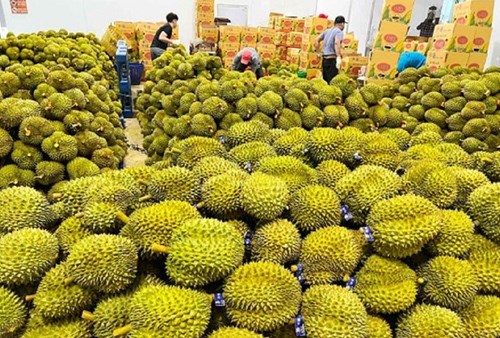
Dragon fruit and durian represent the fresh-fruit segment of the expansion, while coconut can be marketed through both fresh and processed channels. Coffee, pepper and cashew are more established traded commodities and provide a base of export experience that can support the development of other agricultural categories.
A wider assortment can reduce dependence on the performance of a single product. Demand, harvest conditions and market access can change at different times for fruit, coffee, spices, nuts and vegetables. Exporters working across several categories may therefore have more options when conditions weaken in one part of the portfolio. That diversification does not eliminate commercial risk, but it spreads exposure across products with different buyers and consumption patterns.
Fresh produce brings additional operational demands
The growing presence of herbs, leafy vegetables, flowers and ornamental plants is significant because these products generally require close coordination between farms, packers and logistics providers. Their inclusion shows that Vietnam’s overseas agricultural offering is not limited to bulk or relatively durable commodities. It increasingly includes products for which appearance, freshness and consistent handling are central to the sale.
For producers and processors, broader foreign-market reach can create opportunities to serve different types of customers. It can also increase the importance of reliable grading, packing and post-harvest management. Importers evaluating Vietnamese supply will look not only at whether a product is available, but also at whether exporters can deliver consistent commercial specifications over time.
Diversification shifts competition toward execution
The expansion described by VinaNet points to a diversification strategy based on both familiar export crops and higher-maintenance horticultural goods. Coffee, pepper and cashew connect Vietnam to established commodity markets, while fruit, vegetables, flowers and ornamental plants broaden the country’s potential customer base.
The next competitive test is depth rather than simple presence. Producers must maintain dependable supply, processors must match products to buyer requirements, and traders must manage the different risks attached to perishable and non-perishable goods. For overseas buyers, the widening range creates more sourcing options from Vietnam. For Vietnamese companies, it raises the value of operating across several product chains while maintaining consistent quality in each one.