Vietnam’s tilapia exports reach $76 million as first sashimi shipment enters Japan
Vietnam exported $76 million of tilapia in the first half of 2026, up 101% year on year, according to VASEP data cited by CafeBiz. A Can Tho processor subsequently sent the country’s first tilapia fillet shipment to Japan for sushi and sashimi production.
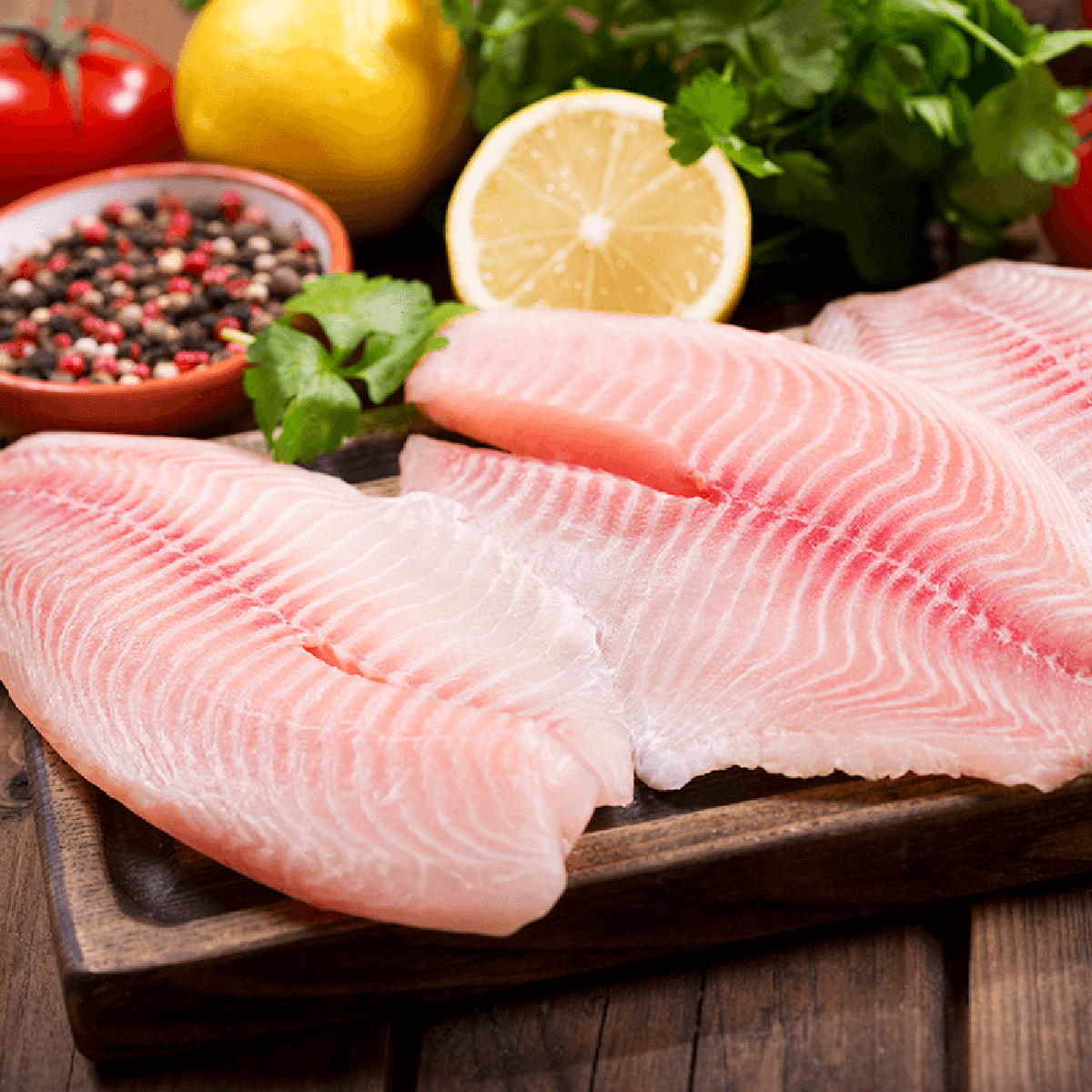
Tilapia exports double in the first half
Vietnam’s tilapia export revenue reached $76 million in the first six months of 2026, rising 101% from the same period of 2025, according to data from the Vietnam Association of Seafood Exporters and Producers, or VASEP, cited by CafeBiz. The figures place tilapia among the fastest-growing categories in the country’s seafood export portfolio, although it remains a smaller segment than Vietnam’s established aquaculture products.
The CafeBiz headline described the increase as 141%, while the article’s underlying VASEP figure reported growth of 101%. No explanation for the difference was provided. The reported expansion nevertheless indicates stronger overseas demand for Vietnamese tilapia, a species valued by producers for rapid growth, relatively low production costs and stable supply.
First shipment targets Japanese sushi and sashimi
In July 2026, Vietnam Clean Seafood Joint Stock Company, based in Can Tho, completed its first export of tilapia fillets to Japan for use in sushi and sashimi. The company said it was the first Vietnamese business to export a tilapia sashimi product to the Japanese market. The shipment followed about six months of investment in farming and processing procedures designed for value-added food products.
Supplying fish for raw or minimally prepared dishes requires tighter control than exporting whole or portioned tilapia. At the company’s farming area in Tran De commune, Can Tho, reinforced ponds use water-flow technology and bottom aeration to maintain stable conditions. According to CafeBiz, this system helps produce firm flesh without a muddy smell. After harvest, fish are moved immediately to the processing plant under controlled conditions.
Higher-value processing broadens the market mix
The Japanese shipment moves Vietnamese tilapia beyond the conventional trade in whole fish and cuts toward processed products aimed at premium consumers. For exporters, the potential benefit is not simply additional volume but a higher commercial value per unit and less dependence on traditional destinations. Japan also provides a demanding reference market: products must meet strict requirements for farming, disease surveillance, harvesting, transport, quarantine testing and food-safety certification.
Can Tho authorities have instructed farmers, buyers, processors and exporters to maintain technical documentation covering seed stock, farming areas, disease monitoring, harvesting and transport, as well as the necessary certificates. Companies must also monitor changes to the quarantine, testing and food-safety rules of each destination. These controls will determine whether the first shipment can develop into a repeatable commercial channel rather than remain a one-off delivery.
Canada and Australia also recorded positive growth in imports of Vietnamese tilapia during the opening months of 2026, CafeBiz reported, without providing shipment values or growth rates. Demand across three developed markets could support a more diversified export base, but scaling the category will require consistent raw-material quality and processing standards. Producers will need to preserve the water conditions and post-harvest handling that make tilapia suitable for premium applications, while exporters must demonstrate traceability across the supply chain.
The immediate milestone is therefore qualitative as well as quantitative. Export revenue doubled in the first half, and the July shipment opened a new use for Vietnamese tilapia in Japan. The next test is whether processors can convert that technical achievement into regular orders while maintaining compliance and expanding supplies without weakening product quality.