Vietnam steps up food-safety inspections ahead of Mid-Autumn Festival
Vietnam has ordered stronger inspections of mooncakes, confectionery, beverages and other seasonal foods ahead of the 2026 Mid-Autumn Festival. Authorities will scrutinize producers, retailers, street-food vendors and online sellers, with unsafe products subject to traceability checks, recalls and public disclosure.
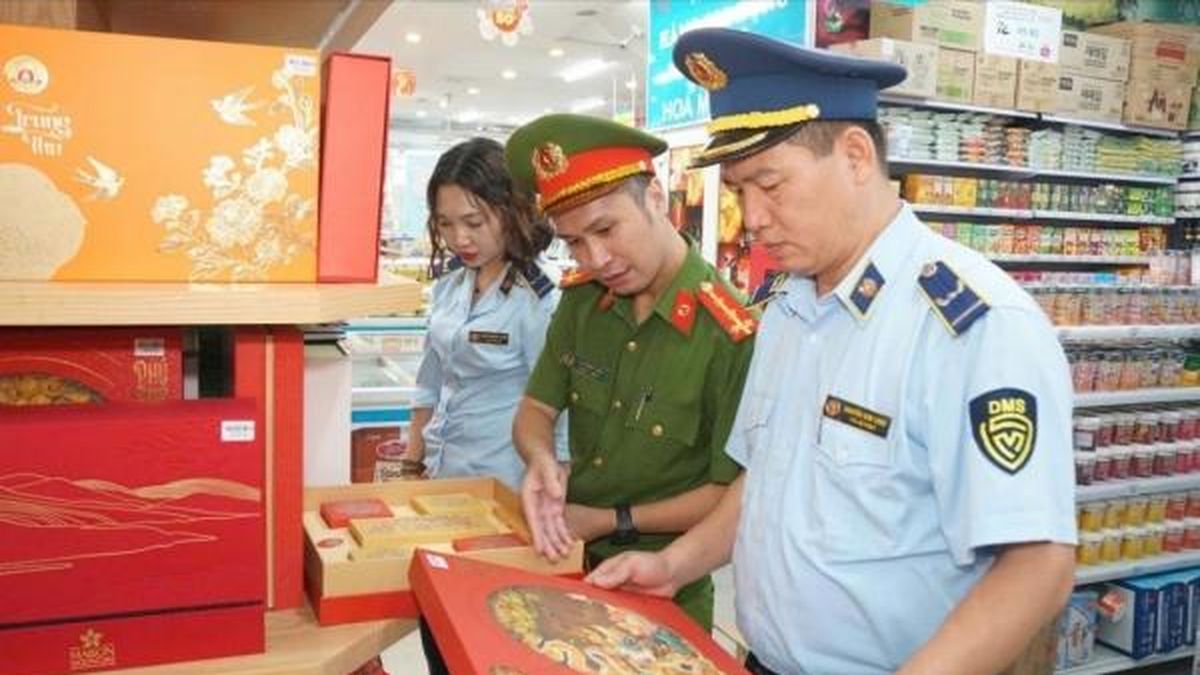
Nationwide checks target seasonal foods
Vietnam is intensifying food-safety inspections ahead of the 2026 Mid-Autumn Festival as seasonal demand rises for mooncakes, confectionery, soft drinks and other foods. The campaign covers product origin and quality as well as conditions governing production, processing, storage, packaging and distribution.
On 24 August, the Vietnam Food Administration under the Ministry of Health asked health departments in provinces and centrally governed cities, together with the Ho Chi Minh City Food Safety Department, to coordinate urgently with other authorities. According to Nông nghiệp Hữu cơ Việt Nam, local health agencies are expected to work with the industry and trade, agriculture and environment authorities to inspect compliance at food production, processing and retail facilities.
Priority targets include mooncake and confectionery manufacturers and sellers, beverage businesses, traditional food producers in craft villages and small-scale facilities. Catering establishments and street-food vendors will also face increased scrutiny during the peak period. The broad remit reflects the seasonal market’s compressed production cycle: large volumes reach consumers within a short period through shops, markets, supermarkets and online channels.
Unsafe goods face recalls and public disclosure
The 2026 post-market food-safety plan already identifies the Mid-Autumn Festival as a priority enforcement period. Provincial and municipal interdisciplinary food-safety committees will form joint teams to conduct comprehensive local inspections. Regulators will also provide businesses with information and guidance on meeting food-safety requirements.
Enforcement is not intended to stop at identifying violations. When authorities find an unsafe product, they must trace its origin promptly, arrange its recall and process the case under applicable regulations. The name and address of the offending business or individual, together with the type of product involved, must be made public through the media. Cases showing signs of criminal conduct may be referred to the police.
Producers must maintain sanitary manufacturing conditions, appropriate equipment and utensils, and controls over employees directly involved in food preparation. Raw materials must have a clear origin and comply with safety requirements. Colorants, flavorings and food additives must be approved for the intended use, while food-contact packaging, labels and product information will also be checked.
Mooncakes present a particular control challenge because recipes can combine flour, sugar, eggs, meat, nuts, fats and oils with prepared fillings. A failure in raw-material storage, processing, packaging or transport can affect the finished product. Compliance therefore extends across the entire route to market rather than only the final point of sale.
Hanoi prioritizes surprise inspections
Hanoi began its own campaign earlier. On 7 August 2026, the municipal People’s Committee issued Plan No. 307/KH-UBND on food safety for the festival. The Department of Industry and Trade was assigned to lead inspections and post-market controls covering mooncakes, mooncake ingredients, wine, beer and soft drinks within its jurisdiction.
Wards and communes must establish inspection teams and prioritize unannounced checks at seasonal production and retail facilities, mooncake stalls, markets, busy streets and densely populated areas. Hanoi’s market surveillance force will target counterfeit and smuggled goods, products of unclear origin, labeling breaches and food-quality violations. Serious cases will be transferred to the competent authorities.
Consumers have been advised to buy fully labeled goods with traceable origins from fixed outlets with clear addresses. Sales areas should be clean, protect food from dust and insects, and maintain suitable storage conditions. Online buyers are being urged to verify the seller, manufacturer, product origin and storage arrangements. Goods with torn or deformed packaging, unusual color or odor, or inadequate storage conditions should not be consumed.
Local health services must also prepare staff, vehicles, supplies and treatment capacity for possible food-poisoning incidents. If an outbreak occurs, officials must investigate its cause and act to prevent additional related cases. For seasonal producers and retailers, the campaign raises the cost of weak documentation and poor handling practices at the busiest point in the Mid-Autumn sales calendar.