Vietnam Tightens Enforcement Against Illicit Tobacco Across Borders, Retail and Online Channels
Vietnam is expanding enforcement against illicit tobacco under Directive No. 25/CT-TTg, covering borders, the domestic market and online channels. Officials are also considering risk-based monitoring and tighter retail display rules, although the tobacco industry warns that a total display ban could make legal products harder to distinguish from illicit ones.
Enforcement expands across the supply chain
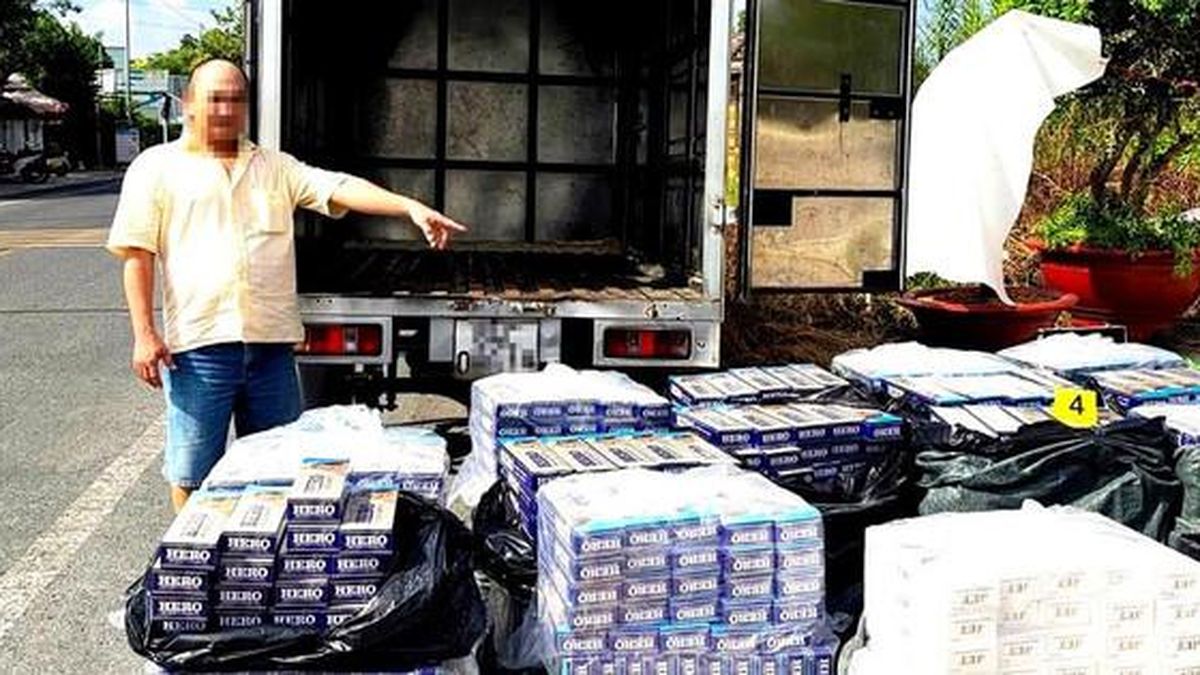
Vietnam is strengthening its campaign against tobacco smuggling, illegal production and unauthorized sales under Directive No. 25/CT-TTg, issued by the prime minister on June 9, 2026. The measure broadens enforcement from border areas and the domestic market to online platforms, where illicit products can be sold through social media, messaging applications and delivery services.
Hà Nội Mới reported that the directive was discussed at an implementation conference organized in early August by the National Steering Committee against Smuggling, Trade Fraud and Counterfeit Goods, known as National Steering Committee 389. Authorities framed illicit tobacco as both a fiscal and public-health problem because smuggled products remain outside tax, quality-control and mandatory health-warning systems.
Colonel Nguyễn Văn Tranh, deputy commander for legal affairs at Coast Guard Region 4 Command, said illicit tobacco causes budget losses and creates direct health risks. The source did not provide estimates for illegal volumes, tax losses, seizures or the legitimate market’s value.
Authorities seek data-led controls
Nguyễn Thanh Bình, deputy director of the Domestic Market Surveillance and Development Department, proposed a data and risk-warning system covering accounts, businesses, warehouses, transport methods and common violation techniques. The aim is to replace broad inspections with controls directed at higher-risk actors and routes.
Major General Đỗ Ngọc Cảnh, head of the Drug and Crime Prevention Department under the Border Guard Command, said enforcement must stop illicit tobacco at its source. He also called for livelihood measures for some border residents whom trafficking networks recruit as paid carriers. This approach links border enforcement with the economic conditions that allow informal supply chains to operate.
The campaign has direct implications for licensed manufacturers, distributors and retailers. Stronger action against untaxed and unverified cigarettes could protect compliant suppliers from illegal competition. Its commercial effect, however, will depend on whether authorities can identify concealed online transactions without diverting excessive inspection capacity toward millions of traditional retail outlets.
Retail display proposal divides stakeholders
Vietnam is also considering a complete ban on displaying tobacco products at retail points to reduce public exposure and prevent marketing that may attract young people. Trần Lê Minh, deputy head of the Market Committee at the Vietnam Tobacco Association, said current rules allow each outlet to display one pack, one carton or one box of each tobacco brand so consumers can recognize legal products.
According to Trần Lê Minh, removing every product and image from shelves could deprive buyers of a visual way to distinguish quality-controlled goods from counterfeit or smuggled tobacco. He also argued that an additional inspection obligation across millions of retailers could stretch enforcement resources while illegal trade migrates further into closed online channels.
A targeted restriction and transition period
A proposed alternative is a targeted restriction that would prohibit displays facing outside the shop or placed where children and teenagers can easily see them, while retaining minimal identification inside the counter for adult customers. The source also outlines a transition period of 18 to 24 months for technical guidance, standardized inspections, staff training and retailer preparation.
Pilot programs in major cities, border provinces and areas with dense traditional commerce could measure youth exposure, retailer compliance and authorities’ ability to control unverified products. For legitimate suppliers, the central policy question is whether Vietnam can reduce tobacco visibility while preserving practical product identification and concentrating enforcement on the illicit supply chain.