Vietnam’s textile exports rise to $27.02 billion as demand and competition weigh on orders
Vietnam’s textile and garment exports reached $27.02 billion in the first seven months of 2026, but growth slowed to 2.67%. Weak demand, inflation concerns and competition from regional suppliers are increasing pressure on prices, orders and margins.
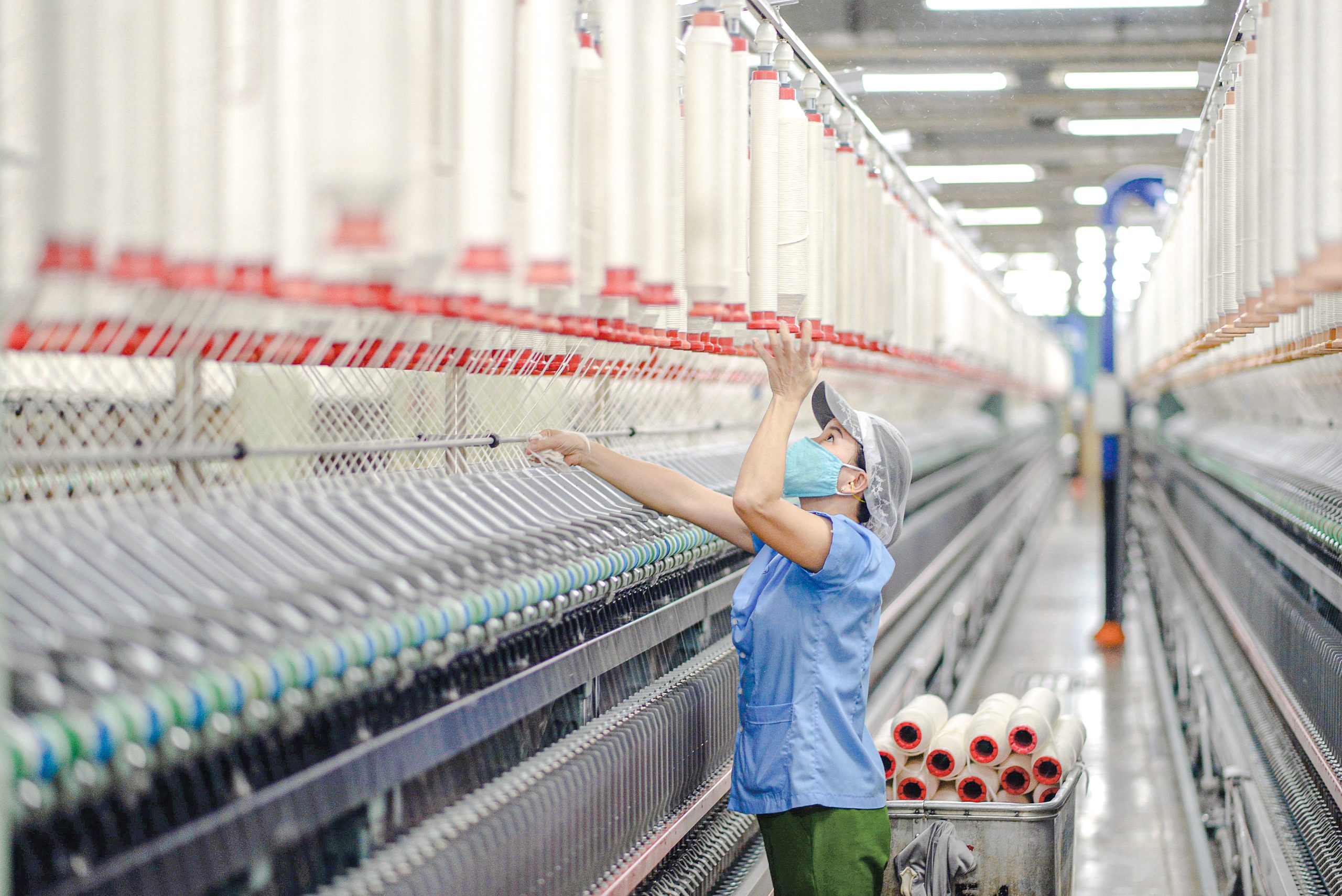
Seven-month exports maintain modest growth
Vietnam’s textile and garment industry continued to expand in the first seven months of 2026, but the pace of improvement left producers exposed to a more difficult order environment later in the year. Nhân Dân reported that exports reached $27.02 billion during the period, an increase of 2.67% from a year earlier.
July shipments were valued at $4.67 billion, rising 8.2% from June and 4.3% year on year. The monthly acceleration offered some support after exports in June and July weakened at parts of the production chain. A Vinatex document estimated the group’s cumulative profit for the first seven months at VND1.295 trillion, equivalent to 98% of the year-earlier result and 46% of its annual plan.
The latest performance represents a slowdown from the beginning of the year. Nhân Dân said textile and garment exports totaled $18.8 billion in the first five months, up 5.6% year on year. Exports in the first half reached about $22.2 billion, an increase of 1.7%, indicating that growth had become less consistent as the year progressed.
Buyers remain cautious as inflation concerns persist
Demand in Vietnam’s principal overseas markets is expected to face pressure in the final months of 2026. VOV reported that consumers in major markets were restricting discretionary spending, while importers and brands were controlling inventories and avoiding long-term order commitments. Inflation concerns can reinforce that behavior by directing household budgets toward essential purchases rather than apparel.
This shift affects both order visibility and pricing. Shorter commitments make capacity planning more difficult for factories, while buyers seeking lower prices can compress margins when labor, energy and logistics costs remain under pressure. The sector’s $48 billion-$49 billion export objective for 2026 also sets a demanding pace: VOV calculated that, after the first five months, exporters needed another $30.19 billion-$31.19 billion, or an average of $4.31 billion-$4.46 billion per month during the remaining seven months.
Regional suppliers intensify price competition
Vietnamese manufacturers also face stronger competition from Bangladesh, Sri Lanka, India and Indonesia, according to comments from Vinatex Chief Executive Cao Huu Hieu reported by Znews. These suppliers compete for orders on price, delivery times and manufacturing capability. Vietnam’s textile wages are already among the highest globally after China, Vinatex data cited by Znews showed, adding to the pressure on labor-intensive factories.
Producers are responding through tighter cost and inventory controls, market diversification and investment in automation, robotics and artificial intelligence. Requirements for recycled materials and greener production are adding another competitive test. For exporters, the immediate priority is to protect utilization without accepting orders that erode margins; for buyers, softer demand creates more negotiating leverage and a wider choice of regional suppliers.