Vietnam soybean imports top 2.2 million tonnes as US and Brazil shipments surge
Vietnam imported more than 2.2 million tonnes of soybeans in the first seven months of 2026, up 50% year on year, according to preliminary customs data reported by Soha. Brazil remained the largest supplier, while US volumes rose 40% amid strong demand from feed, aquaculture and food processors.
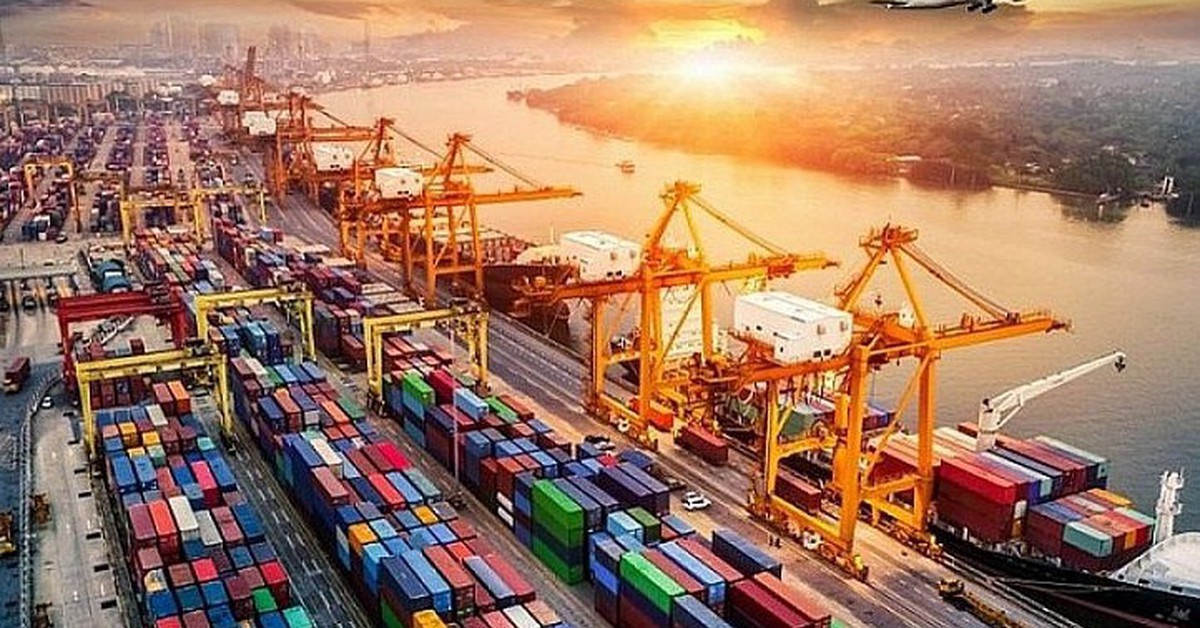
Imports exceed 2.2 million tonnes
Vietnam’s soybean imports rose sharply in the first seven months of 2026 as livestock feed, aquaculture and food processors continued to require large volumes of protein-rich raw materials. Preliminary data from Vietnam’s Customs Department, reported by Soha, show that the country imported more than 2.2 million tonnes worth over $1 billion during the period. Volume increased 50% and value rose 57% from the same period of 2025.
The pace accelerated in July, when imports exceeded 330,000 tonnes and were valued at more than $165 million. Compared with June, volume increased 40% and expenditure rose 38%. The faster rise in seven-month import value than in volume also indicates that buyers paid more per tonne than a year earlier across the overall supply mix.
Brazil retains the lead as US volumes grow
Brazil remained Vietnam’s largest soybean supplier. Shipments reached more than 1.3 million tonnes in the first seven months, worth over $639 million. Those figures were 63% higher by volume and 71% higher by value year on year. The average import price was about $486 per tonne, up 4%, while Brazil accounted for approximately 58% of Vietnam’s total soybean import value.
The United States ranked second, supplying more than 768,000 tonnes valued at over $368 million. US volume increased 40% and value advanced 48% from the same period of 2025, with the average price rising by more than 6%. The gains show that both principal suppliers expanded sales rapidly rather than the US simply displacing Brazil in Vietnam’s market.
The US Soybean Export Council describes Vietnam as a dynamic market for American soybeans and the third-largest buyer of US soybeans in Southeast Asia. Vietnam imported approximately $517 million of US soybeans in 2025, an increase of 11.7% from the previous year. Agricultural trade ties were also supported by memoranda of understanding and purchase contracts signed during a visit by Vietnam’s Ministry of Agriculture and Environment to the United States in June 2025.
Feed and food industries drive demand
Industry companies estimate Vietnam’s annual demand for ingredients used in livestock and aquaculture feed at nearly 30 million tonnes. Corn and wheat primarily provide energy, while soybeans are an important protein source. Demand also comes from manufacturers of cooking oil, soy milk, instant noodles and confectionery, alongside Vietnam’s large pork and aquaculture industries.
Domestic soybean output remains limited. Corn and soybean acreage has been shrinking as farmers switch to crops offering higher economic returns, while Vietnam’s climate leaves little scope for large-scale commercial wheat production. The Vietnam Animal Feed Association says imported ingredients consequently represent a large share of feed production costs. Wheat is almost entirely sourced abroad, and domestic corn and soybean production covers only part of demand.
Tariffs improve access, but exposure remains
Vietnam has reduced the preferential import tariff on US soybean meal from 1-2% to 0%, improving access for another major feed ingredient. Soybean meal and whole soybeans are distinct products, but the measure strengthens the competitive position of the broader US soy supply chain in a market dependent on imported protein inputs.
That dependence leaves Vietnamese processors exposed to changes in global crop prices and freight rates. Soha reported that tensions in the Middle East since late February had increased concern about logistics costs, prompting some companies to raise imports and build inventories. Analysts cited by the publication expect Vietnam to remain heavily dependent on imported soybeans in the short term because of constraints involving land, yields and farming economics. Global soybean prices and shipping conditions will therefore continue to affect feed costs and the prices of domestically produced food.