Vietnam shifts rice sourcing as Cambodian volumes fall and Lao sticky rice gains
Vietnam imported 2.8 million tonnes of rice and paddy in the first half of 2026, with Cambodia remaining the largest supplier despite a nearly 17% decline. Purchases of Lao sticky rice rose by more than 12%, while lower-cost Indian and Myanmar supplies also gained ground.
Cambodia retains the lead despite a sharp decline
Vietnam imported 2.8 million tonnes of rice and paddy in the first half of 2026, according to Thanh Nien. Its principal suppliers, in descending order, were Cambodia, India, Laos, Thailand and Myanmar, underlining the country’s continued reliance on neighboring Asian origins for both food consumption and industrial demand.
Cambodia remained the dominant source, supplying about 2.3 million tonnes of paddy. However, that volume was nearly 17% lower than in the same period of 2025. Businesses cited difficult export conditions at the start of the year, when limited downstream demand coincided with strong output from the winter-spring harvest, reducing the need for imported rice.
Consumer preferences also affected the Cambodian trade. Thanh Nien reported that Cambodian rice has lost some of its appeal in Vietnam after a period of strong popularity, as buyers increasingly favor the domestic specialty variety ST25. The shift adds a quality and branding dimension to the supply adjustment, beyond the immediate effects of harvest size and market access.
Lao sticky rice finds a larger market
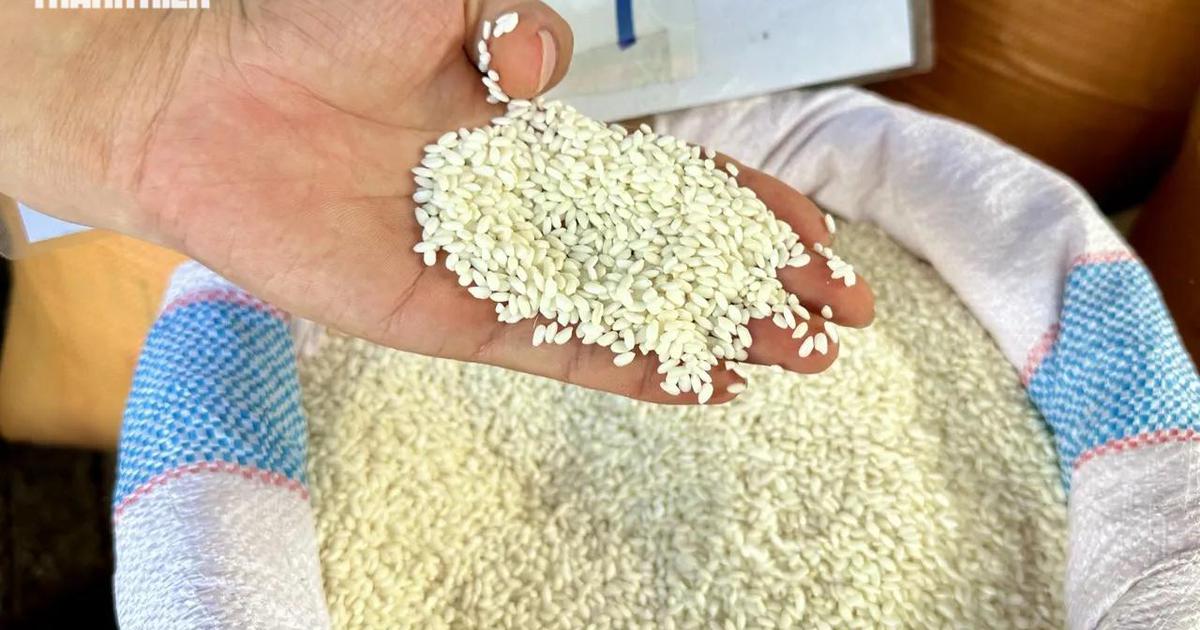
Imports of sticky rice from Laos moved in the opposite direction, rising by more than 12% year on year. Vietnam bought over 22,000 tonnes of Lao sticky rice during the six-month period. Laos supplied nearly 33,000 tonnes of rice in total, making it Vietnam’s third-largest source.
The increase reflects Laos’s established specialization in glutinous rice. While Vietnam, Thailand and Cambodia are major producers of conventional rice, Laos is particularly associated with sticky rice. Experts cited by Thanh Nien said Lao sticky rice is regarded by many buyers as superior in quality to products from several competing origins.
Even so, the Lao increase is not large enough to replace the decline in Cambodian volumes on a tonne-for-tonne basis. It instead points to a more segmented Vietnamese market: domestic ST25 is gaining favor in the specialty table-rice category, Lao suppliers are expanding in sticky rice, and cheaper origins are serving processing and feed users.
India and Myanmar expand their positions
Vietnam’s imports from India increased by 5% to 328,000 tonnes. The cargoes consisted mainly of 5% broken rice and broken rice. Businesses purchased these lower-priced products for processing into rice noodles, including bun and pho, as well as for animal feed, giving Indian suppliers a distinct role from premium consumer varieties.
Myanmar recorded the fastest growth among the named suppliers. Its shipments to Vietnam rose by 80% from the first half of 2025, placing it fourth in the supplier ranking. Thanh Nien did not provide an absolute volume for Myanmar, but the growth rate suggests that Vietnamese buyers are widening procurement where price and intended use support alternative origins.
Thailand moved in the other direction. Imports fell by more than 25%, the steepest decline among the listed suppliers, leaving Thailand fifth with 3,100 tonnes. The combined figures show that Vietnam’s sourcing is being divided more clearly by product: Cambodia still dominates bulk paddy, Laos is gaining in sticky rice, India supplies economical processing grades, and Myanmar is emerging from a smaller base.