Vietnam weighs how to build a domestic UAV value chain
Vietnam is assessing how to move beyond using unmanned aerial vehicles and develop a domestic UAV industry. Nhadautu.vn says the country must open the market, establish testing space and gradually gain control over more of the value chain.
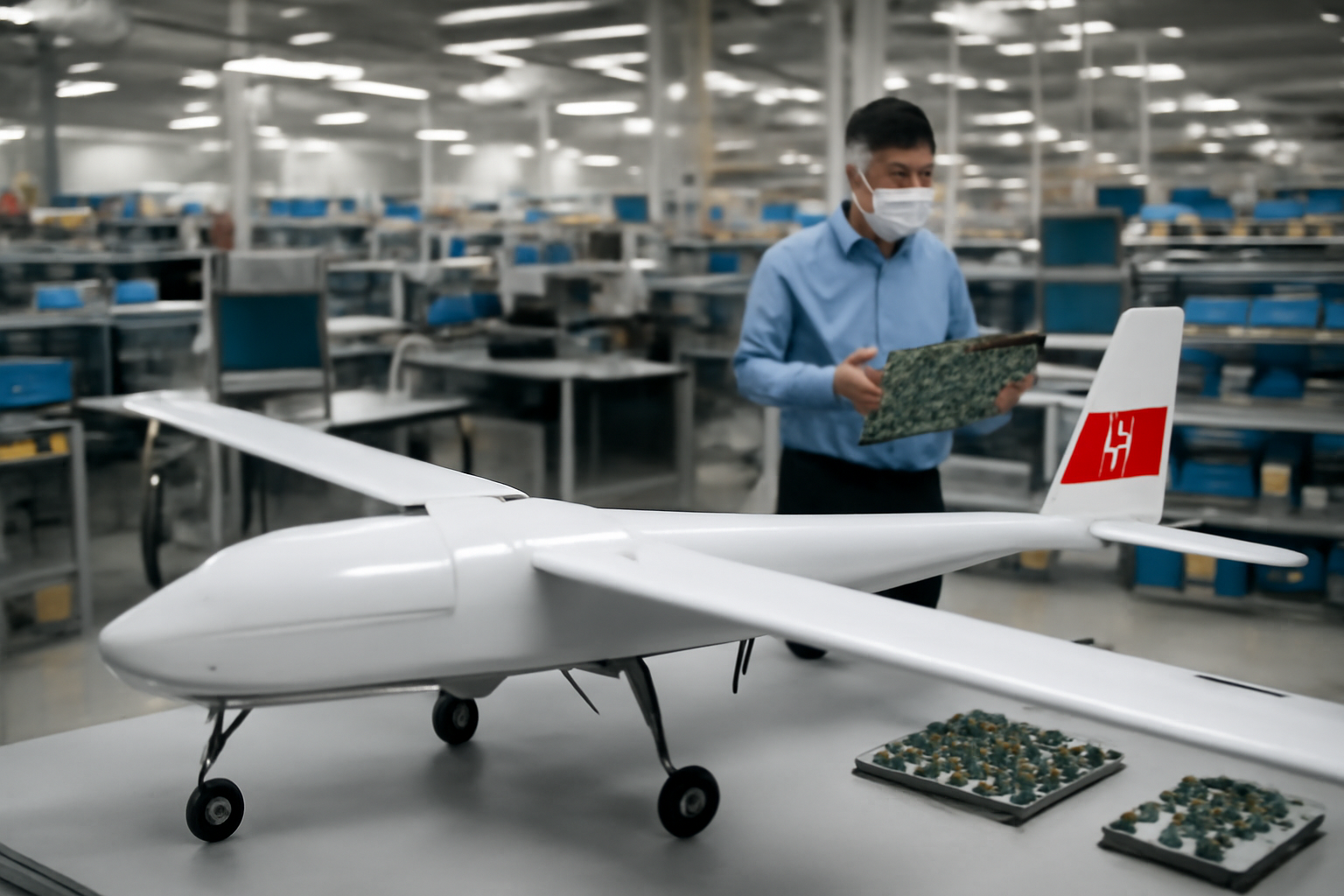
From UAV use to industrial capability
Vietnam is examining how to move from being primarily a market for unmanned aerial vehicle applications toward controlling more of the UAV value chain. The shift would require more than wider drone adoption. It would also depend on whether the country can create the regulatory, testing and industrial conditions needed for a functioning domestic industry.
Nhadautu.vn reports that UAVs are opening new room for Vietnam’s low-altitude economy. The publication identifies three connected priorities: opening the market, completing an environment for testing and gradually mastering the value chain. Together, these tasks define the difference between a market that uses imported or externally developed systems and one that can support domestic development and production.
Testing space is a central requirement
A suitable testing environment is essential to the industrial ambition described by Nhadautu.vn. UAV developers need a framework in which systems can be tested before commercial deployment. Without such an environment, companies may struggle to move from concepts and prototypes into products that can be used in the market.
The challenge is not limited to allocating physical airspace. Market opening, testing and industrial development need to advance together. If commercial opportunities expand before testing arrangements are completed, domestic developers may be poorly positioned to respond. If testing capacity develops without a viable market, companies may have little basis for sustained investment. Vietnam therefore faces a coordination problem across regulation, market access and industrial capability.
Control of the value chain will be gradual
Nhadautu.vn frames control of the UAV value chain as a step-by-step process. That wording matters because the available source material does not identify production targets, investment values, plant capacities or a timetable. It also does not specify which components or stages Vietnam plans to prioritize. Claims about local manufacturing volumes, component sourcing or expected trade flows would therefore be premature.
For producers and technology companies, the immediate issue is whether Vietnam can turn application demand into a stable environment for product development. Investors will need clarity on how testing access and market opening are organized. Operators and potential buyers will be watching whether domestic suppliers can progress beyond individual applications and participate in a broader industrial chain. Vietnam’s UAV opportunity is consequently tied not only to the growth of drone use, but also to its ability to connect rules, testing and industry without leaving one element behind.