Vietnam imported 2.785 million tonnes of rice and paddy for $0.8 billion in the first half of 2026
Customs data cited by Thanh Nien show Vietnam bought about 2.785 million tonnes of paddy and rice in January-June 2026 for $0.8 billion, down 14.53% in volume year on year. The country remains the world's second-largest rice importer after the Philippines, with Cambodia supplying roughly 2.3 million tonnes. Over the same period Vietnam exported 5.2 million tonnes for $2.38 billion.
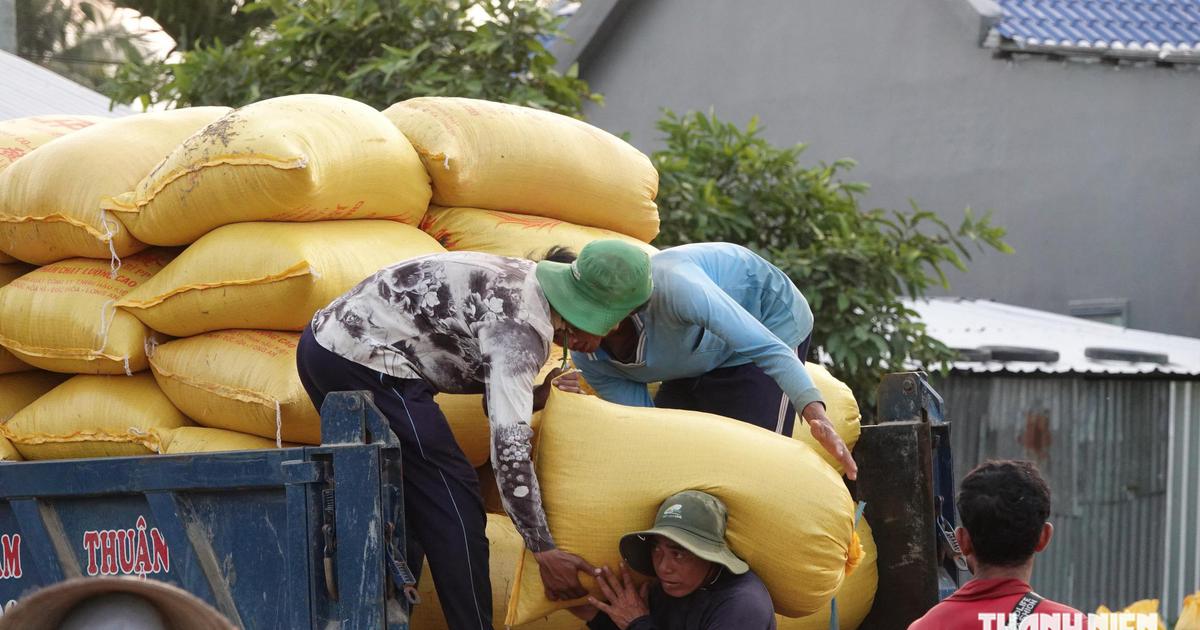
Vietnam spent $0.8 billion on imports of rice and paddy in the first half of 2026, bringing in about 2.785 million tonnes, while shipping out 5.2 million tonnes of rice over the same period, according to detailed customs statistics cited by the newspaper Thanh Nien.
Imports down 14.53% year on year
Inbound volumes of paddy and rice of all types reached roughly 2.785 million tonnes in January-June, a decline of 14.53% against the same period of 2025. The import bill came to $0.8 billion, with both volume and value below year-earlier levels. The customs series covers unmilled paddy alongside milled grain, so the total reflects raw material bought for processing as well as finished rice.
The smaller purchases did not change Vietnam's standing among buyers. At about 2.8 million tonnes the country remains the world's second-largest rice importer after the Philippines, ahead of China in third place with roughly 1.6 million tonnes. Thanh Nien notes that Vietnam has held second position for several years, a position built on parallel flows of imported raw grain and exported milled rice.
Cambodia, India and Laos lead supply
The main origins for Vietnam's rice and paddy purchases, ranked by volume, were:
- Cambodia
- India
- Laos
- Thailand
- Myanmar
Cambodia dominates the flow with about 2.3 million tonnes of paddy, down nearly 17% from the first half of 2025. Vietnamese companies quoted by Thanh Nien attribute the fall to two factors: export outlets were limited at the start of the year, and the domestic winter-spring crop produced a good harvest, which reduced the need for imported raw material. The Cambodian volume alone accounts for the bulk of the 2.785 million tonnes recorded by customs, making the cross-border paddy trade the single largest variable in Vietnam's import balance.
Exports rise in volume, fall in value
Vietnam exported 5.2 million tonnes of rice in the first six months, an increase of almost 10% year on year, but earnings fell 2.5% to $2.38 billion. The average export price for the first half of 2026 is estimated at $459.6 per tonne, down 11.3% from the same period a year earlier. Volume growth was therefore not enough to offset the price decline. The rice trade surplus nonetheless widened to $1.58 billion, 6% more than in the first half of 2025, helped by the lower import bill.
For the full year, the US Department of Agriculture forecasts Thai rice exports falling to about 7 million tonnes because of El Nino, while Vietnam holds at around 8.1 million tonnes. Vietnam overtook Thailand as the world's second-largest rice supplier in 2025. Its record year remains 2024, when shipments reached 9.1 million tonnes.
Pressure on domestic procurement
Analysts cited by Thanh Nien link the two-way flow to a flexible import and export policy that has given Vietnam a growing role in Asian and global food supply chains. Imported paddy feeds domestic mills and supports export programmes that would be harder to fill from local harvests alone, while the export side determines how quickly that raw material is drawn down.
The cost of that flexibility falls on the domestic market. The same policy puts pressure on purchases of locally grown paddy, particularly when demand is subdued - as it was during the most recent winter-spring crop, when farmers faced a quiet market at the same time as mills held ample supply.