Vietnam imports $800 million of rice while exports approach 5.5 million tonnes
Vietnam exported nearly 5.5 million tonnes of rice in the first seven months of 2026 while spending about $800 million on rice and paddy imports. The two flows serve different market requirements rather than indicating a simple domestic surplus or shortage.
Exports and imports rise on separate tracks
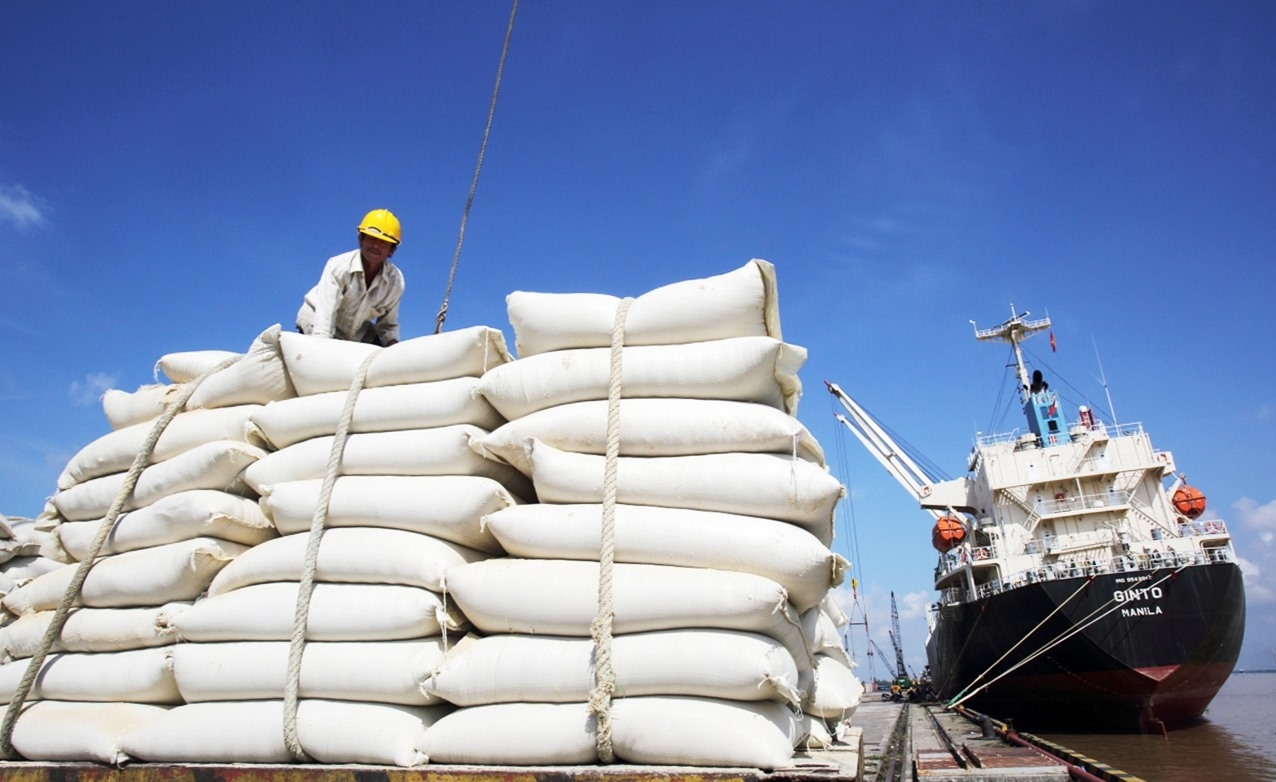
Vietnam exported nearly 5.5 million tonnes of rice during the first seven months of 2026, while also spending about $800 million on imports of rice and paddy, according to Thuong Truong. The figures appear contradictory for one of the world’s major rice suppliers, but they describe two distinct commercial flows serving different requirements.
Exports measure the volume sold to overseas buyers, whereas the reported import figure is a monetary value covering both rice and unmilled paddy. The available figures therefore cannot be compared directly. The source material does not provide the volume of imports, the value of exports or average prices for either flow. It also does not identify supplier countries, destinations or the individual rice grades involved.
Different requirements can support two-way trade
Simultaneous imports and exports do not by themselves show that Vietnam lacks rice or that exporters are re-selling the same cargoes. Rice is not a uniform commodity: purchasing decisions depend on quality specifications, processing requirements, availability and intended use. Thuong Truong says the two flows meet different needs, although the supplied source text does not specify the grades or end uses behind the transactions.
This distinction matters for mills and traders. An export-oriented processor may sell rice that meets the specifications of foreign customers while another buyer imports paddy or rice suited to a separate requirement. The national totals can consequently move in the same direction even when the underlying cargoes are not commercially interchangeable. Without a breakdown by grade and use, however, it would be premature to assign the $800 million import bill to any particular market segment.
Price and product data remain essential
The export volume of nearly 5.5 million tonnes confirms the scale of Vietnam’s overseas rice business in January-July 2026. The import bill, meanwhile, shows that inbound supply was also economically significant. Neither number alone establishes the effect on domestic prices, mill utilization or farmer returns. Those outcomes depend on the prices and qualities of the products entering and leaving the country.
For producers, processors and investors, the central issue is the composition of the trade rather than the headline contrast. Import volume would be needed to calculate a meaningful average import price, while export value would be required for the corresponding export calculation. Data on origin, destination, grade and processing stage would show whether imports compete with domestic paddy, supplement mill supplies or serve a separate customer base. Until those details are available, the figures support a narrow conclusion: Vietnam remained a large rice exporter while maintaining a substantial, differentiated import channel during the first seven months of 2026.