Vietnam rice exports top 6 million tonnes as lower prices weigh on 2026 revenue
Vietnam exported an estimated 6.03 million tonnes of rice worth nearly $2.91 billion in the first eight months of 2026. Full-year volume is forecast at 7.738 million tonnes, but low average prices early in the year are expected to limit revenue to about $3.94 billion.
Volume rises faster than export earnings
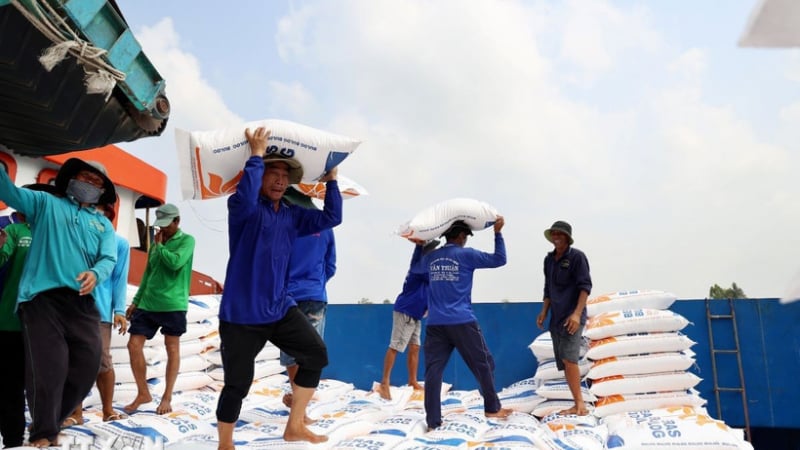
Vietnam exported an estimated 6.03 million tonnes of rice in the first eight months of 2026, according to the Ministry of Agriculture and Environment figures reported by Dân Việt. The average export price was $481.5 per tonne, putting total revenue at nearly $2.91 billion. A separate estimate compiled by the Vietnam Food Association placed shipments at 5.726 million tonnes as of August 15.
Full-year exports are forecast to reach about 7.738 million tonnes. Doanh nghiệp và Đầu tư reported that revenue is expected at approximately $3.94 billion, around 4% below 2025, because average prices were weak during the opening months of 2026. More than 2 million tonnes still needed to be shipped after mid-August, making prices and execution in the final months decisive for annual earnings.
Philippines and China drive a concentrated market
The Philippines remained Vietnam’s largest rice market, accounting for 43.2% of exports, followed by China at 18.4% and Ghana at 11%. The Philippines and China together represented more than 64% of shipment volume. During the first seven months, export value to the Philippines fell 5.1% and value to Ghana dropped 12.3%, while sales to China increased 92.2%. Export value to Iraq rose 110-fold from a low comparative base.
Demand prospects are mixed. The Philippines has said it will not suspend rice imports in 2026 and is expected to buy about 5.6 million tonnes in the 2026/2027 season, according to Doanh nghiệp và Đầu tư. However, it is considering an additional safeguard duty of at least 13 percentage points on Vietnamese rice, potentially lifting the total tariff above 35%. China is importing more broken rice for animal feed, supporting opportunities for Vietnamese broken, raw and glutinous rice. Indonesia, by contrast, has no plan to import rice in 2026 because of high domestic production and stocks.
Higher July prices offer late-year support
Vietnam’s average export price reached $511 per tonne in July, rising 5.8% year on year for the first annual increase of 2026 and reaching its highest level since June 2025. Domestic supplies are also less abundant, reducing pressure for distressed sales. Certified high-quality, low-emission rice has fetched more than $1,000 per tonne in Japan, the European Union and Australia, demonstrating the price gap available outside the standard segment.
The current product mix still limits that upside. White rice represents 47% of export volume, aromatic rice 32%, glutinous rice 14% and Japonica 7%. Vietnamese standard-grade rice faces price competition from India and Pakistan in Africa, while Cambodia is expanding aromatic-rice exports and Thailand is strengthening its position in China. Global conditions could support prices: 2026/2027 production is projected at 537.3-537.8 million tonnes, down about 2% from the previous season’s record, while trade could reach a record 62.8-62.9 million tonnes. Consumption is estimated at 541.4-542.8 million tonnes, leaving a production deficit of 4-5.5 million tonnes and reducing ending stocks to about 192.6 million tonnes. Fertilizer, transport and energy costs remain high, while El Niño could raise drought and salinity risks for the 2026-2027 winter-spring crop.