Vietnam Moves to Reopen Market for Australian Kangaroo and Venison
Vietnam is preparing to reopen its market to Australian kangaroo meat and venison after inspecting slaughter facilities and the wider supply chain. The move would add two specialist products to an agricultural trade relationship worth about $2.2 billion in 2024.
Vietnam advances market-access procedures
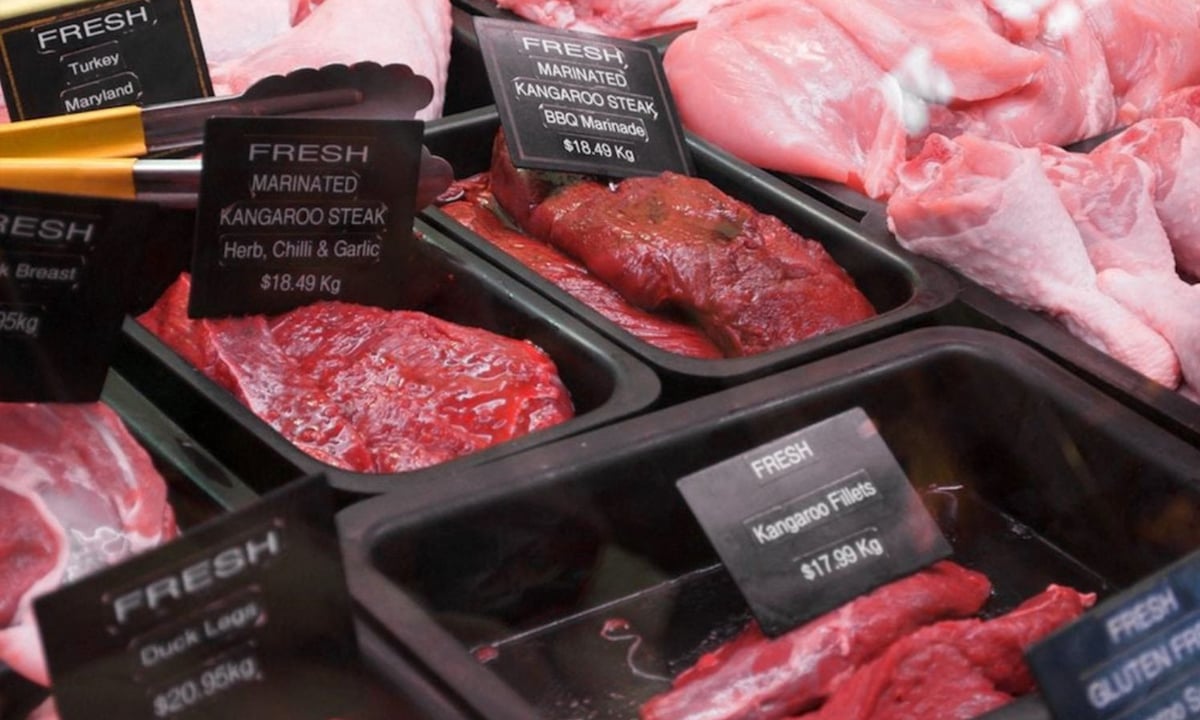
Australian kangaroo meat and venison are expected to return to Vietnamese retail shelves as the two countries work through the final market-access requirements. Ngoisao.vn reported that Vietnamese authorities sent a delegation to Australia to inspect slaughter facilities and conduct a broader assessment of the supply chain before reopening the market.
The planned access was reaffirmed in a joint statement issued by Vietnam and Australia on 11 August. Australia had asked Vietnam in May to complete the remaining legal procedures. The available information does not specify an effective import date, approved volumes or the companies expected to supply the first consignments.
Vietnam’s inspection is particularly relevant because commercial kangaroo meat differs from conventional farmed livestock. The product is sourced mainly from wild populations, with harvesting governed by quotas and ecological rules set by individual Australian states. Approval therefore depends not only on slaughterhouse standards, but also on traceability and controls across a less conventional supply chain.
A specialist protein enters a developing market
Kangaroo meat remains unfamiliar to many Vietnamese consumers, although Australia already exports it to about 60 countries and territories. The product is valued for its protein, iron and zinc content and contains less than 2% fat, according to Ngoisao.vn. Those characteristics could give distributors a clear position in health-focused retail and food-service segments, but consumer education, pricing and reliable cold-chain handling will influence uptake.
The reopening also covers Australian venison, giving Vietnamese importers another specialist red-meat category. Neither product is likely to compete with established meats on scale immediately. Their initial commercial prospects are more closely tied to premium supermarkets, restaurants and buyers seeking differentiated, lean proteins.
A broader agricultural trade relationship
The decision comes as merchandise trade between the two countries expands. Vietnam’s goods exports to Australia reached $4.6 billion in the first seven months of 2026, nearly 30% more than in the same period a year earlier, Ngoisao.vn reported. Full-year exports were about $6.8 billion in 2025, compared with $3.6 billion in 2020.
Two-way agricultural trade totaled about $2.2 billion in 2024. Australia is Vietnam’s third-largest supplier of fruit and vegetables and also supplies large volumes of raw materials. Vietnamese wheat imports from Australia reached 1.39 million tonnes, valued at approximately $380 million. In the opposite direction, Vietnamese seafood, cashew nuts, wood, fruit and vegetables, and coffee have established positions in the Australian market.
Fresh produce access illustrates the reciprocal nature of the relationship. Vietnam’s first shipment of fresh pomelo arrived by air in Australia in April after more than two years of technical negotiations. Pomelo became the sixth Vietnamese fresh fruit authorized for import, following lychee, mango, dragon fruit, longan and passion fruit. Kangaroo meat and venison now extend that exchange into specialist animal proteins. For Australian processors and traders, the immediate opportunity is a new regulated sales channel; for Vietnamese importers, the test will be whether a distinctive nutritional profile can translate into sustained demand beyond initial curiosity.