Vietnam proposes comprehensive tobacco law overhaul covering new products and retail displays
Vietnam’s Ministry of Health proposes embedding the national ban on e-cigarettes and heated-tobacco products in law and prohibiting tobacco displays at retail outlets. The draft is scheduled for consideration in October 2026 and is expected to take effect on July 1, 2027.
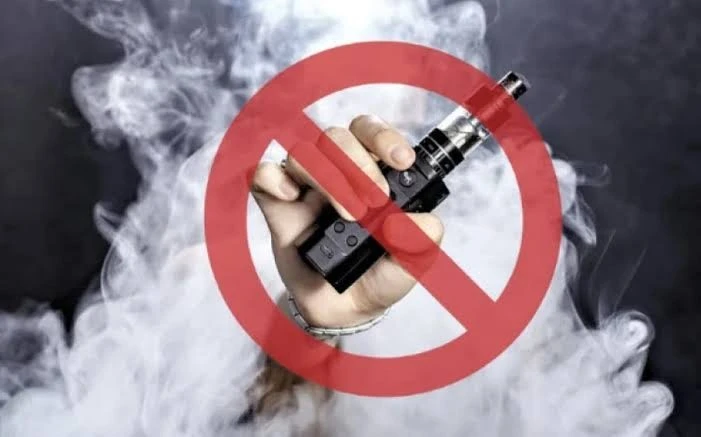
Ban would cover products, devices and components
Vietnam’s Ministry of Health is preparing a major revision of the Law on Prevention and Control of Tobacco Harms. The draft would place the nationwide ban on e-cigarettes, heated-tobacco products and other new tobacco products directly into sector legislation. It would also prohibit tobacco displays at points of sale, closing a retail-marketing exemption that remains available under the current law.
Tien Phong reports that the proposed restrictions extend beyond finished products. Production, purchase, sale, import and export of electronic devices, component assemblies, individual components and liquids used to assemble e-cigarettes would also be prohibited. The broad scope is intended to prevent businesses from using legal gaps to import parts, assemble devices domestically or return prohibited products to the market.
The National Assembly adopted Resolution 173/2024/QH15 in November 2024, banning the production, trade, import, storage, transportation and use of e-cigarettes and heated-tobacco products nationwide from 2025. The Ministry of Health now wants to incorporate that policy into the tobacco-control law and define the products, devices and regulated conduct more precisely. The bill is scheduled to go before the 16th National Assembly at its second session in October 2026 and is expected to take effect on July 1, 2027.
Early data show fewer emergencies and enforcement cases
Initial figures indicate a sharp decline in reported harm following the ban. According to the Poison Control Center at Bach Mai Hospital, emergency cases involving e-cigarettes and heated-tobacco products fell about 70% during the first 10 months, compared with the corresponding earlier period. The monthly average dropped from 5–6 cases to approximately 1–2.
Police data cited by Tien Phong also show fewer detected cases. Authorities handled 728 cases involving 883 people from 2020 through the first quarter of 2024. In the first 10 months of 2025, they detected 5 cases; 2 led to criminal proceedings involving 17 defendants. The lower count supports the case for the ban, but it also makes control of illicit distribution crucial: prohibited devices, liquids and components can still move through informal channels unless border, online-market and domestic enforcement remain coordinated.
Vietnam’s policy is part of a wider regional shift. By mid-2025, 46 countries had banned e-cigarette sales, while 24 had banned heated-tobacco products, according to figures cited from the World Health Organization. Bao Moi reports that 8 of ASEAN’s 10 members had e-cigarette bans by February 2026.
Retail displays are the second target
Existing Vietnamese law bans direct tobacco advertising, promotion and marketing but allows a retailer to display no more than one pack, one carton or one box of each tobacco brand. The draft would remove that allowance. Surveys cited by Tien Phong found an average of 12.7 tobacco outlets within 100 metres of each school; 57.6% displayed tobacco at children’s eye level, and 27.9% placed it beside products such as sweets and toys.
Vietnam continues to carry a substantial health and economic burden. The adult male cigarette-smoking rate fell from 23.8% in 2010 to 20.8% in 2021, but the country remains third in ASEAN on this measure. World Health Organization estimates cited by the Vietnamese publications attribute more than 100,000 deaths a year to tobacco, while related healthcare costs reached an estimated VND108.7 trillion in 2022. For manufacturers, distributors and retailers, the proposed law would therefore change both the range of products that can legally enter the supply chain and the way conventional tobacco may be presented to consumers.