Vietnam and Philippines seek more predictable rice trade framework
Vietnam has proposed upgrading its rice trade memorandum with the Philippines while a Philippine safeguard investigation examines imported rice. The two countries are also working to resolve SPS-IC delays that have complicated existing export contracts.
Vietnam proposes stronger bilateral framework
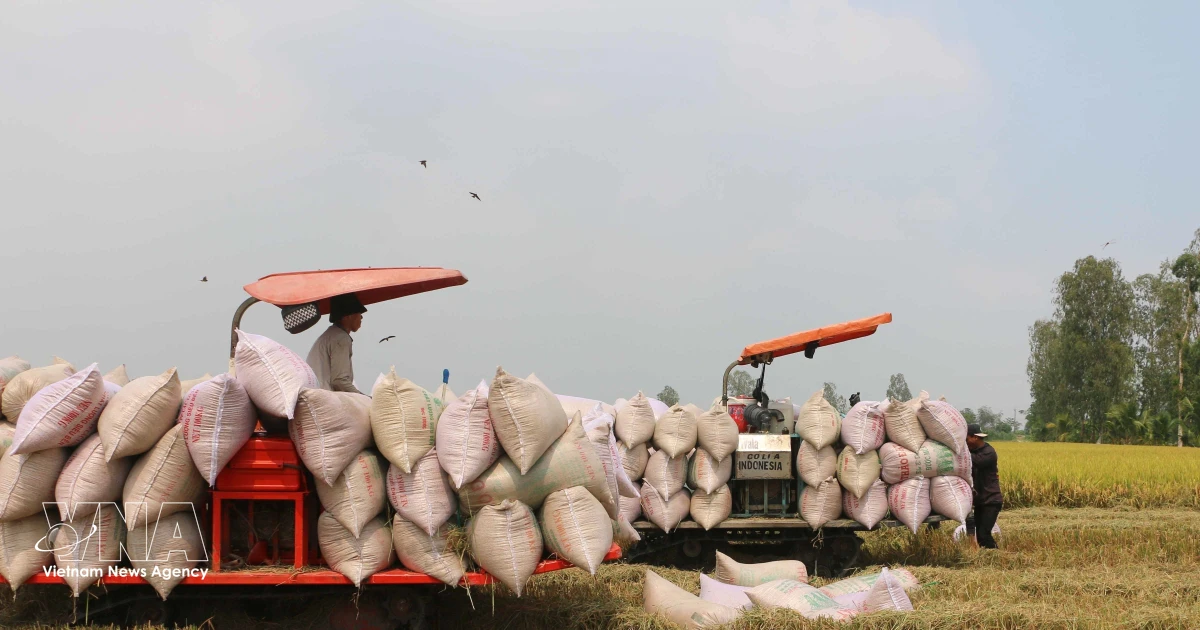
Vietnam and the Philippines are discussing a more stable framework for bilateral rice trade as both governments address regulatory obstacles and a Philippine safeguard investigation into imported rice. Vietnam has proposed upgrading the existing memorandum of understanding or replacing it with a more legally binding arrangement designed to support predictable shipments while balancing the interests of farmers, businesses and consumers.
Vietnam News Agency reported that an inter-agency delegation led by Deputy Minister of Industry and Trade Nguyen Sinh Nhat Tan met Philippine authorities from August 19-21. The delegation included representatives of Vietnam’s industry and trade, agriculture and environment, and foreign affairs ministries, as well as the Vietnamese Embassy, Trade Office and Vietnam Food Association. Meetings were held with the Philippine departments of trade and industry, foreign affairs and agriculture, and with the Tariff Commission.
Safeguard investigation creates uncertainty
The Philippines opened a preliminary safeguard investigation in March 2026 following a petition from its domestic rice industry. According to Bao Moi, the inquiry covers imported rice under AHTN heading 1006, including paddy, brown, partly or wholly milled, and broken rice. The investigation period runs from 2020 through August 2025.
Philippine authorities found preliminary evidence of serious injury or a threat of serious injury to domestic producers, particularly rice farmers. The cited indicators included lost market share, greater import penetration, rising commercial inventories, lower self-sufficiency, higher production costs without corresponding productivity gains, falling or suppressed farmgate prices, reduced harvested area and a widening gap between farmgate and retail prices. The Tariff Commission said it would assess submissions before issuing its final recommendation and asked Vietnamese agencies, the Vietnam Food Association and businesses to participate in a public hearing scheduled for September 2026.
Clearance delays affect signed contracts
Vietnam asked the commission to consider the wider Philippine market context, including lower import tariffs and the administration of sanitary and phytosanitary import clearances, known as SPS-IC. It also stressed the contribution of imported rice to supply availability, price stability and food security. The Philippine side said the quasi-judicial investigation would be fair, objective and transparent, and conducted in accordance with World Trade Organization rules and the ASEAN Trade in Goods Agreement.
Thanh Nien reported that some contracts already signed by Vietnamese exporters have been difficult to execute because SPS-IC issuance has taken longer than expected. The two sides designated the Vietnam Food Association and the Philippine Rice Industry Association as contact points to exchange contract lists, review individual cases and help prevent supply disruptions. Philippine officials said Vietnam remained a major, stable supplier despite efforts to diversify import origins, while Vietnamese rice continued to be valued for consistent quality and compatibility with local preferences.
Industry groups move to improve coordination
On August 21, the two rice associations discussed market conditions, expected Philippine import demand and problems arising during contract execution. They agreed to expand information sharing, business connections and coordination when commercial difficulties emerge. The governments likewise committed to regular exchanges under the existing memorandum while the Philippines studies Vietnam’s proposal for a higher-level framework.
The talks expose the policy balance facing Manila. Imports support consumer supply and domestic price stability, but Philippine authorities are also examining claims that increasing volumes have harmed local producers. For Vietnamese exporters and Philippine importers, the immediate commercial priorities are greater visibility over SPS-IC approvals and clarity on whether the safeguard investigation will result in new restrictions.