Vietnam leads global pepper production while imports reach $257.7 million
Vietnam harvested about 267,300 tonnes of pepper in the first half of 2026, up 5% year on year. Its companies nevertheless imported 45,198 tonnes worth $257.7 million, mainly from Cambodia and Brazil, to support processing, exports and raw-material diversification.
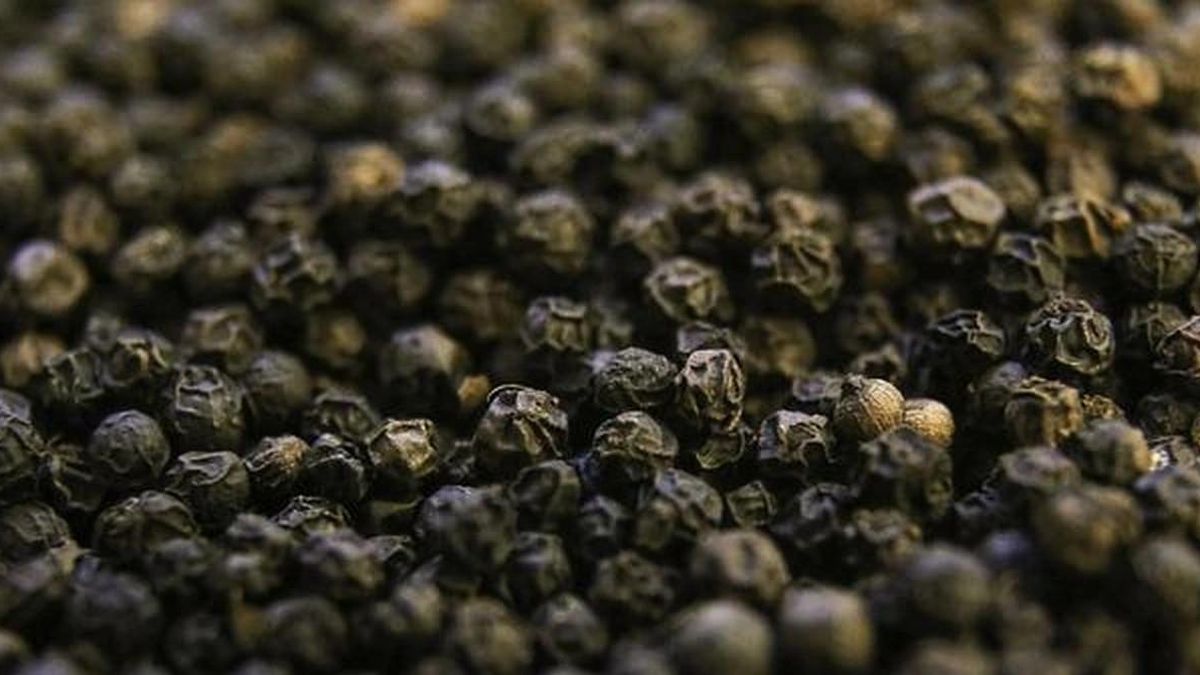
Harvest rises 5% in the first half
Vietnam harvested about 267,300 tonnes of pepper in the first six months of 2026, according to a production and market report from the Ministry of Agriculture and Environment cited by VietnamNet. Output increased 5% from the same period of 2025, reinforcing the country’s position as the world’s largest producer and exporter of pepper.
The harvest provides the foundation for a substantial processing and trading industry serving both domestic and overseas buyers. Customs data show that Vietnamese companies exported nearly 156,200 tonnes by mid-July 2026. Those shipments generated approximately $1.02 billion, indicating that pepper remains a significant agricultural export for the country.
Imports exceed the total for all of 2025
Large domestic production has not removed the need for imported raw material. The Vietnam Pepper and Spice Association said companies imported 45,198 tonnes during the first half of 2026 at a cost of $257.7 million. The total comprised 41,342 tonnes of black pepper and 3,856 tonnes of white pepper.
Import volume rose 59.7% from the same period of 2025, while expenditure increased 48%. The six-month volume had already surpassed the 42,688 tonnes imported during the whole of 2025. This comparison points to faster growth in procurement from foreign suppliers as Vietnamese processors and exporters seek additional feedstock.
Cambodia and Brazil were the main origins of the imported pepper. VietnamNet reported that the chief executive of a major Vietnamese pepper exporter acknowledged that the company had become one of the large buyers of Brazilian pepper. The business imports material from Brazil and subsequently sells to major markets including the United States, Germany and the Middle East.
Processors diversify supply for export markets
The combined production, import and export figures show how Vietnam operates as both a growing center and an international processing and distribution hub. Imported pepper can supplement the domestic crop, widen the range of raw materials available to processors and help exporters maintain shipments when local supply or specifications do not match customer requirements.
This sourcing model also reduces dependence on the Vietnamese harvest. For suppliers in Cambodia and Brazil, demand from Vietnamese companies provides access to the processing capacity and commercial networks of the world’s leading pepper exporter. For buyers in the United States, Germany and the Middle East, the origin of the raw pepper may therefore differ from the country handling and re-exporting it.
Domestic and export prices remain firm
Vietnamese processors are operating against relatively high raw-material prices. Procurement prices in the country’s principal production regions ranged from 137,000 to 140,500 dong per kilogram. On the international market, Vietnamese export offers stood at $5,970 per tonne for 500 g/l black pepper and $6,050 per tonne for the 550 g/l grade.
The lower growth in import value than in import volume suggests that the average cost per imported tonne declined year on year, although the source did not provide individual prices by origin. Companies must balance those imported costs with domestic procurement prices, processing requirements and achievable export prices. With imports already above the full-year 2025 total, foreign supply is becoming an increasingly important part of Vietnam’s pepper industry in 2026, even as domestic production continues to grow.