Vietnamese Wood Pellet Plants Face Pollution Scrutiny as Asian Biomass Demand Grows
Residents near a wood pellet plant in Vietnam’s Bình Định province report persistent wood dust, noise and possible health effects. The plant supplies a pellet industry in which Japan and South Korea account for about 95% of Vietnam’s exports.
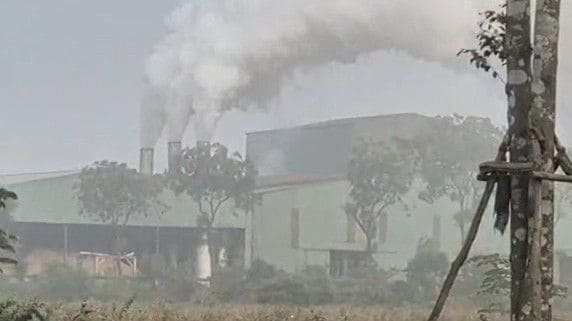
Dust reaches homes near the plant
Residents living beside a wood pellet factory in Bình Định province in central Vietnam say they rarely leave their doors open. Yellow and black wood particles drift into their homes, coating floors, furniture and other surfaces by the end of the day, according to a report published by Toyo Keizai.
One resident, identified as Nung, said dust enters the house even when the doors are closed, requiring cleaning throughout the day. Despite the tropical sunlight outside, the family keeps the home shut behind shutters and relies on electric lighting indoors.
Nung is awaiting heart surgery and said a doctor advised her to move somewhere cleaner and quieter. Her husband has high blood pressure, which the family believes may be connected to years of disrupted sleep caused by factory noise. The source does not establish a medical link between the plant and either condition, but the accounts illustrate residents’ concerns about prolonged exposure to dust and near-continuous industrial activity.
Production runs almost around the clock
On the other side of the family’s fence, a pellet factory owned by Thinh Nhan operates almost 24 hours a day, with white smoke rising from its chimney, Toyo Keizai reported. Thinh Nhan is a subsidiary of Ayo Biomass, described by the publication as one of Vietnam’s leading wood pellet manufacturers.
The facility supplies customers serving Japan and South Korea. Together, the two markets account for about 95% of Vietnam’s wood pellet exports, making their biomass power sectors central to the commercial expansion of Vietnamese pellet production.
The case highlights a gap between how biomass is presented in importing markets and how its fuel is produced. Wood pellets are promoted as an input for carbon-neutral power generation, while communities around processing sites can face dust, noise and other local environmental burdens. The source material provides no plant-level production, emissions or air-quality measurements, leaving the scale of the pollution and compliance with Vietnamese standards unresolved.
Trading companies connect the plant to Asian power markets
Japanese import and export records obtained by the reporter identified Thinh Nhan’s customers as Japanese trading companies Sumitomo Corporation and Hanwa, the US biomass fuel company Enviva, which operates in Japan, and Canadian renewable energy company Pinnacle Renewable Energy. Pinnacle was acquired by UK-based Drax in 2021.
South Korean trade records also showed Pinnacle purchasing products from Thinh Nhan, according to Toyo Keizai. The publication noted that Enviva and Drax, two of the world’s largest biomass companies, have both faced criticism over violations of air-pollution control rules in the United States. The records show how procurement decisions by major traders and fuel suppliers can connect individual Vietnamese factories with electricity markets abroad.
For producers and buyers, the dispute raises questions about supplier oversight beyond pellet quality, volume and price. Importers sourcing from Vietnam may increasingly need evidence on dust control, operating practices and effects on neighboring communities. For residents in Bình Định, however, the immediate issue is more basic: whether industrial production for overseas biomass plants can continue without wood particles and noise entering daily life.