Vietnamese pangasius exports shift toward China as US tariffs rise
Vietnam’s pangasius exports reached $1.3 billion in the first seven months of 2026, up 10% year on year. Sales to China rose 31% to $357 million, while shipments to the United States fell 8% as exporters faced higher anti-dumping duties and an additional 12.5% Section 301 tariff.
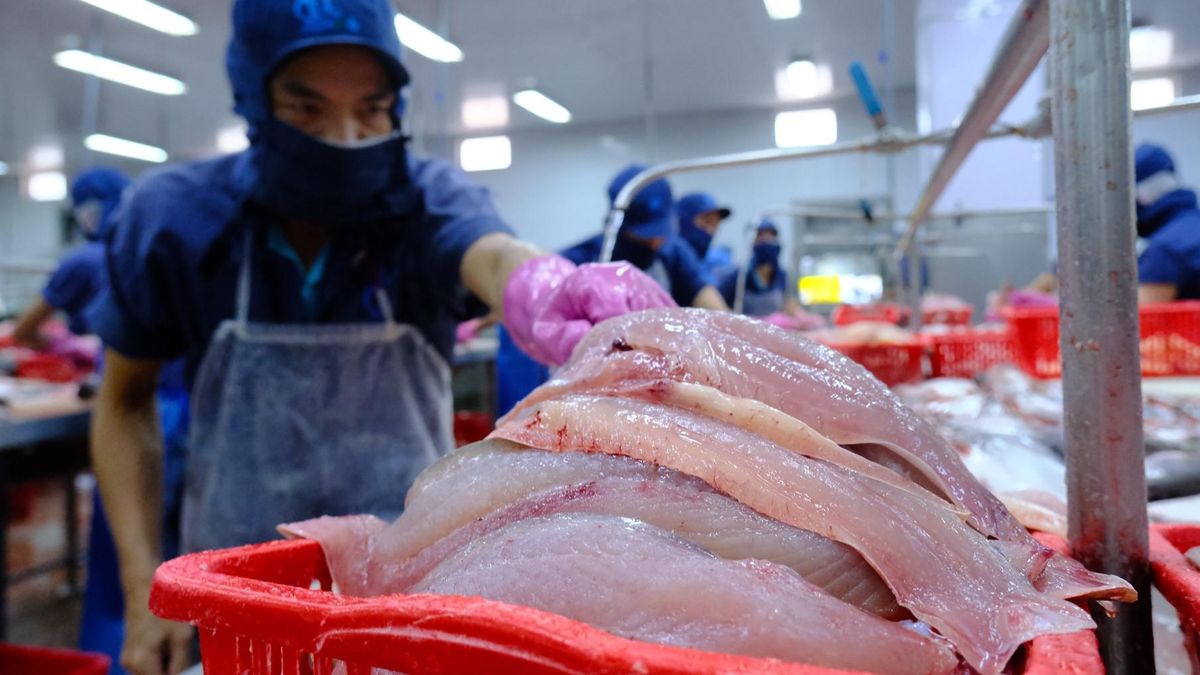
Export growth continues despite a slower July
Vietnamese pangasius exports maintained growth in the first seven months of 2026 even as trade barriers weighed on sales to the United States. According to the Vietnam Association of Seafood Exporters and Producers, or VASEP, export revenue reached $1.3 billion, up 10% from the same period of 2025.
July shipments were worth $203 million, an increase of 4% year on year. The monthly result showed that exports were still expanding, although growth had slowed from earlier months. The sector’s overall performance increasingly reflected stronger demand from China and other markets rather than growth in the United States.
Higher duties pressure the US channel
The United States remained one of Vietnam’s main pangasius destinations, generating $189 million in the first seven months. However, that total was 8% lower than a year earlier, while July exports to the market fell 28% compared with July 2025, VietnamNet reported, citing VASEP.
Pressure increased after the US Department of Commerce published the final results of its 21st administrative review, known as POR21, on August 12. The review covered frozen Vietnamese pangasius and basa from August 1, 2023, to July 31, 2024. Final anti-dumping rates for the reviewed companies were substantially higher than the preliminary rates announced in February 2026.
Biển Đông’s rate rose from $0.29 to $1 per kg, an increase of nearly 245%, while the rate for NTSF climbed by more than 440%, from $0.07 to $0.38 per kg. CASEAMEX and NAVICO, which were not individually examined, received a rate of $0.84 per kg, up from $0.23, or about 265%. Companies subject to the Vietnam-wide rate face a duty of $2.39 per kg. Vietnamese goods entering the United States also face an additional Section 301 tariff of 12.5%.
VASEP said the combined burden could lead US importers to ask suppliers to share tariff costs, reduce prices or revise contracts. Some buyers may also seek alternative suppliers. The added expense weakens Vietnamese pangasius against domestically produced catfish and other whitefish in the US market, raising the commercial risk of relying heavily on this destination.
China becomes the principal growth engine
China moved in the opposite direction. Vietnamese pangasius exports to the country increased 15% year on year in July and reached $357 million in the first seven months, up 31%. China accounted for nearly 27.5% of total export revenue, making it the largest figure reported for an individual market in the source data.
The divergence indicates a redistribution of sales rather than a contraction of Vietnam’s pangasius sector. China’s growth more than offset the decline recorded in the United States and helped sustain the industry’s 10% overall expansion. For processors and exporters, the immediate priority is to secure Chinese demand and develop other outlets while reviewing prices and contracts for US customers. Importers, meanwhile, must weigh the availability and competitive price of Vietnamese fish against a tariff structure that now varies sharply by supplier.