Vietnam imported pork from 19 markets in eight months, with Brazil holding 45.1% of volume
Brazil supplied 45.1% of Vietnam's imported pork volume in the first eight months of 2026, ahead of Russia and Spain, according to vietnambiz.vn citing the Ministry of Industry and Trade. India remained the largest supplier of meat and meat products overall, with 20.39% of volume and $580.8 million in sales. Pork import volumes rose 18.8% to 124,100 tonnes while the import bill fell 23.8%.
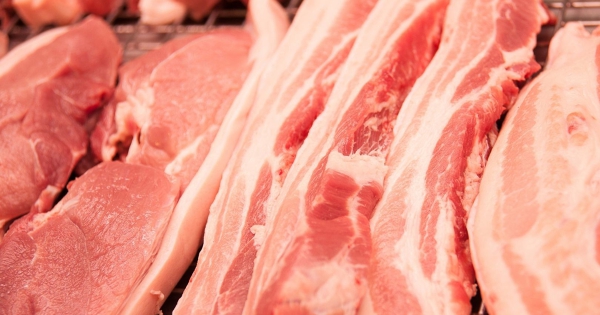
Vietnam imported pork from 19 markets in the first eight months of 2026, with Brazil alone accounting for 45.1% of total volume, according to vietnambiz.vn. The outlet cited the Market Bulletin for Agriculture, Forestry and Fisheries issued by the Ministry of Industry and Trade on 30 September, which draws on Customs Department data.
Across all meat categories the leading supplier was India. Indian shipments accounted for 20.39% of Vietnam's total imported volume of meat and meat products during the eight months, and the country spent $580.8 million on them, vietnambiz.vn reported. The two rankings describe different trades: India leads the overall meat bill, while Brazil controls the pork segment.
Four suppliers cover more than 90% of pork volume
By volume, Vietnam's pork import structure for January to August was distributed as follows:
- Brazil — 45.1%
- Russia — 21.24%
- Spain — 19.87%
- Germany — 4.58%
- Other markets — 9.21%
The top three origins together account for 86.21% of imported pork volume. The remaining 15 of the 19 supplying markets share 9.21% between them, which leaves Vietnamese processors and traders with little practical alternative if one of the leading origins is interrupted.
Volumes up, import bill down
Cumulative imports of fresh, chilled or frozen pork reached 124,100 tonnes worth $212.64 million, up 18.8% in volume but down 23.8% in value against the same period of 2025. The average import price fell 35.9% year on year to $1,712 per tonne.
The gap between the two trends is the central figure of the dataset. Vietnamese buyers took almost a fifth more foreign pork while spending close to a quarter less in total, meaning the market expanded in tonnage and contracted in revenue for suppliers in Brazil, Russia, Spain and Germany at the same time.
Exports remain marginal
Fresh, chilled or frozen pork was also Vietnam's most-exported meat product over the period, at 4,200 tonnes worth $36.15 million, down 23% in volume and 15.7% in value year on year. Hong Kong (China) was the main destination, with shipments there falling 25% in volume and 18.9% in value.
Export tonnage is equivalent to about one thirtieth of imported pork volume, although the average value of a tonne shipped out is several times the average import price.
Domestic hog prices under pressure
Domestic live hog prices ranged between 57,000 and 60,000 dong per kilogram in September. In the north prices moved between 58,000 and 60,000 dong and ended the month at 58,000 dong, 2,000 dong lower than at the end of August. In the central region and the Central Highlands the range was 57,000 to 59,000 dong, with the month closing at 57,000 dong, down 1,000 dong. In the south prices held between 58,000 and 59,000 dong and finished September at 58,000 dong, unchanged from the end of August.
The decline carried into October. vietnambiz.vn reported on 2 October that live hog prices were still falling and that quotes of 55,000 dong per kilogram had appeared in all three regions. Imported pork at $1,712 per tonne arrives into that weakening domestic price structure, and the combination of rising import volumes and falling farmgate prices is the main pressure point for Vietnamese pig farmers heading into the fourth quarter.