Vietnam and India Seek to Expand Agricultural Trade by Removing Market Barriers
Vietnam and India are working to strengthen business connections and address technical, logistics and quarantine barriers affecting bilateral agricultural trade. The effort forms part of a broader target to raise total commerce between the two countries to $25 billion by 2030.
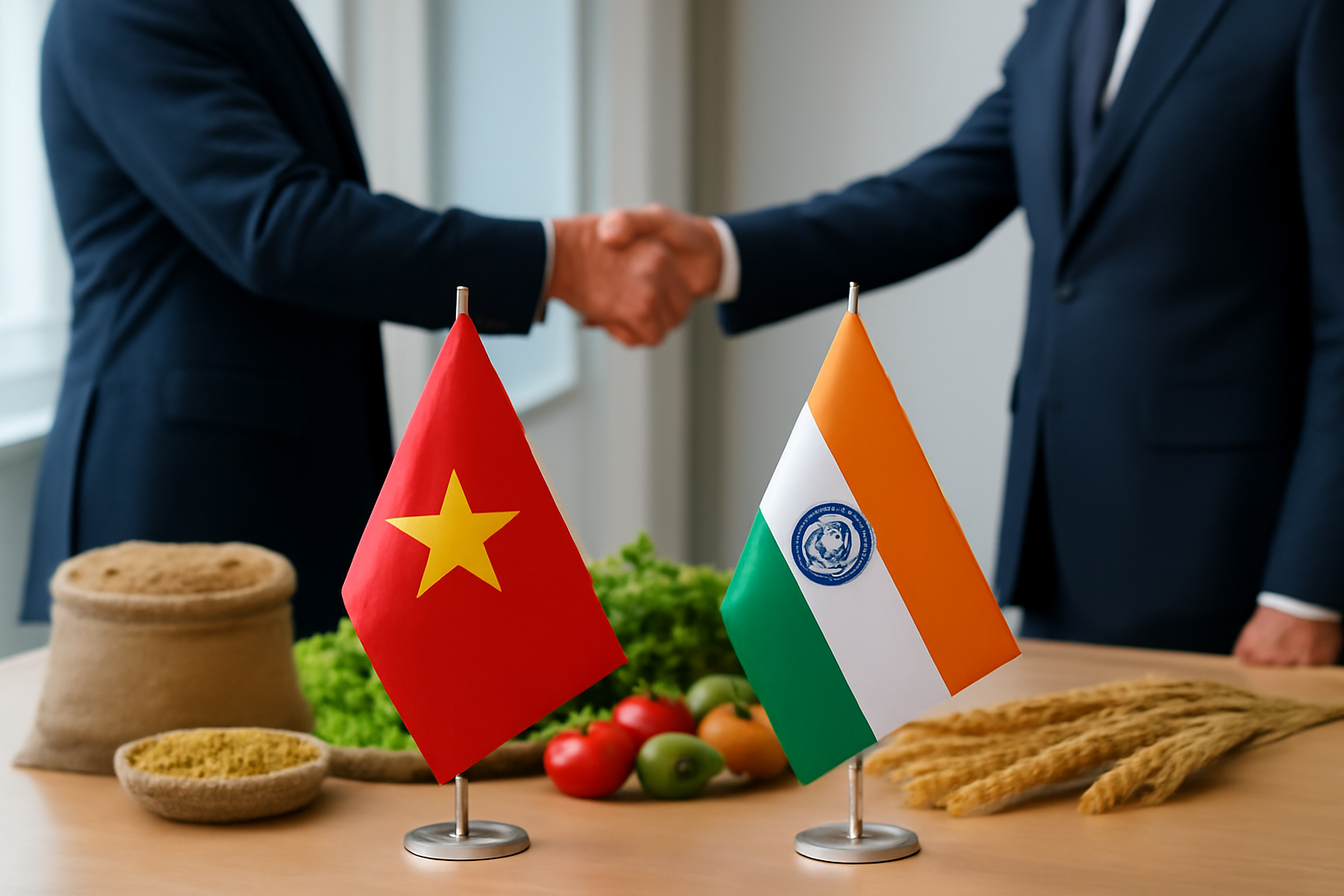
Vietnam and India focus on agricultural market access
Vietnam and India are seeking to create more room for bilateral agricultural trade by strengthening connections between businesses and addressing technical, logistics and quarantine barriers. The initiative sits within a wider objective of increasing total commerce between the two countries to $25 billion by 2030.
The available information does not specify a separate value target for agricultural products. The $25 billion goal covers overall bilateral commerce, making farm trade one component of a broader economic relationship. No current trade value, baseline year or product-level targets were provided.
For agricultural producers and processors, the focus on technical and quarantine requirements is significant because access to a foreign market depends on more than demand and price. Exporters must also demonstrate that products comply with the importing country’s health, safety and plant or animal quarantine rules. Differences in documentation, testing and approval procedures can limit commercial activity even where buyers and sellers are interested in doing business.
Technical and quarantine barriers remain central
Efforts to remove technical and quarantine obstacles could widen the range of agricultural goods traded between Vietnam and India. However, the information provided does not identify individual commodities, proposed rule changes or specific market-access approvals. It also does not give a timetable for resolving the barriers beyond the broader 2030 commerce target.
This leaves implementation as the main issue for market participants. Producers need clarity on eligible products and applicable standards before investing in export-oriented capacity. Processors require predictable testing and certification procedures, while importers need confidence that shipments can clear border controls without costly delays or rejection.
Quarantine negotiations can be especially important for agricultural goods because approval is often product-specific. Progress therefore depends on detailed work between relevant authorities as well as commercial interest from companies. A general commitment to expand trade can open negotiations, but actual shipment growth normally requires usable protocols, recognized documents and clear compliance procedures.
Logistics will determine commercial viability
Vietnam and India are also targeting logistics constraints. For traders, regulatory permission alone does not make a transaction viable. Transport availability, handling conditions, delivery times and the reliability of supply chains affect whether an agricultural product can reach buyers at a competitive cost and in acceptable condition.
Closer business connections could help companies identify buyers, suppliers and practical bottlenecks. Direct engagement may also allow producers and processors to compare commercial requirements before committing capital. The available material does not describe particular transport projects, routes or logistics investments, so the scale and timing of any operational improvements remain unclear.
Business links must translate into shipments
The push gives producers, processors, importers and exporters a common policy direction: bilateral agricultural commerce is expected to play a role in expanding the wider Vietnam-India trade relationship. The commercial impact will depend on whether dialogue produces concrete changes in approvals, documentation, border procedures and logistics.
Market participants will consequently watch for product-specific announcements rather than the headline target alone. New quarantine protocols, simplified technical requirements or improved transport arrangements would provide clearer evidence that the initiative is moving from business outreach to additional trade. Until such measures are detailed, the $25 billion objective remains a broad benchmark for total commerce rather than a forecast for agricultural trade.