Vietnam hog prices fall to VND 56,000-58,000 per kg as supply rises
Vietnamese live hog prices fell across all regions as rising supply coincided with seasonally weaker consumption. Farmers who rebuilt herds earlier in 2026 now face prices of VND 56,000-58,000 per kg and continued pressure from growing pork imports.
Prices decline across Vietnam
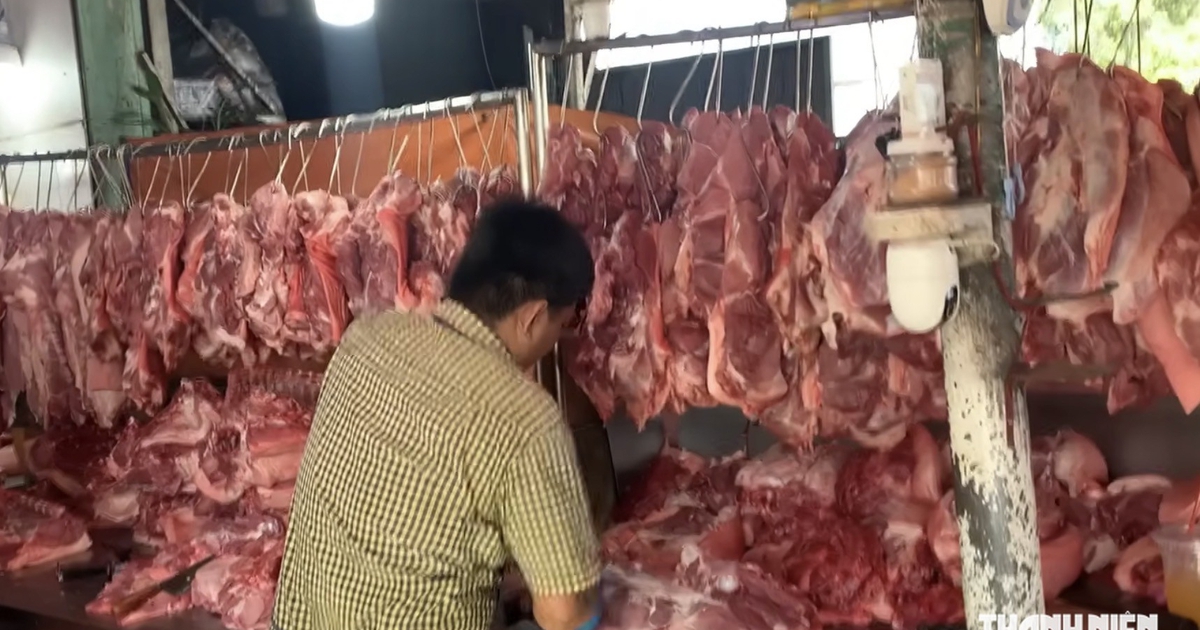
Vietnamese live hog prices continued to fall in mid-August, bringing the national purchasing range down to VND 56,000-58,000 per kg as increased supply met weaker consumer demand. Thanh Nien reported that the decline has continued for about a month without a clear sign of stabilisation, putting pressure on farmers who began rebuilding their herds earlier in 2026.
The northern market remained under pressure after a week of widespread reductions. Prices in many localities fell by VND 2,000-3,000 per kg compared with the previous weekend, leaving the regional range at VND 57,000-58,000 per kg. Quang Ninh, Bac Ninh, Hanoi, Hai Phong, Ninh Binh and Hung Yen retained the national high of VND 58,000 per kg. Traders were paying around VND 57,000 per kg in Tuyen Quang, Cao Bang, Thai Nguyen, Lang Son, Lao Cai, Lai Chau, Dien Bien, Phu Tho and Son La.
Regional price gaps narrow
In central Vietnam, live hogs generally traded at VND 56,000-58,000 per kg. Da Nang and Khanh Hoa recorded the steepest weekly declines, with prices dropping by VND 4,000 per kg to VND 56,000. The southern market followed the same direction: Dong Nai held at VND 58,000, while Dong Thap and Ca Mau lost VND 3,000 to reach VND 56,000 per kg. Most other southern localities traded near VND 57,000.
The broad nature of the correction has substantially narrowed the differences between regions. After the latest week of declines, selling prices were nearly aligned nationwide, replacing the more pronounced regional gaps seen previously. This convergence indicates that the pressure is not confined to an individual production centre or local distribution market.
Seasonal demand meets early farm sales
Nguyen Tri Cong, chairman of the Dong Nai Livestock Association, told Thanh Nien that pork prices normally weaken during the seventh lunar month. Consumption declines as some consumers switch to vegetarian food, while schools remain closed for the summer holiday. The current downturn therefore partly reflects a recurring low-demand period.
Supply conditions have intensified the seasonal move. According to Cong, a crackdown on banned substances in livestock production created anxiety among farm operators, prompting many to market hogs earlier than planned. The additional animals arriving at the same time increased available supply and accelerated the fall in prices.
Imports add pressure to the domestic market
Le Xuan Huy, senior deputy general director of C.P. Vietnam Livestock Corporation, also described the market as entering a low season. He identified rapidly rising pork imports as another important source of downward pressure, because imported meat is taking a larger share of domestic consumption.
For producers that recently replenished their herds, the timing creates a difficult sales environment: more locally raised hogs are reaching buyers while seasonal consumption is soft and imported pork is competing for the same market. Traders and processors can source animals within an unusually narrow national price range, but farmers bear greater exposure to further declines if early selling continues. The next shift will depend on whether the temporary supply surge eases and domestic demand recovers after the seasonal low period.