Vietnamese frozen shrimp faces combined US tariffs of nearly 30%, VASEP warns
Some Vietnamese frozen shrimp products could face combined US duties of nearly 30%, according to VASEP. The industry group says Vietnam is losing ground to lower-tariff competitors as seafood export growth slows.
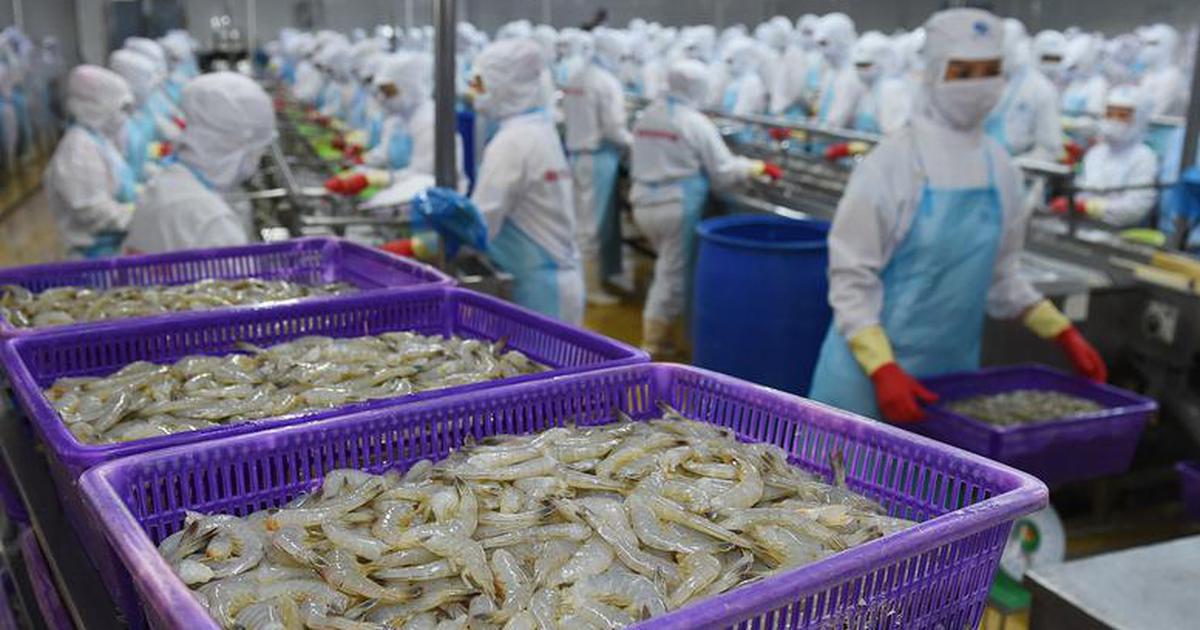
Multiple duties raise pressure on shrimp exporters
Some Vietnamese frozen shrimp products could face total US duties of nearly 30% when several tariffs are combined, according to Lê Hằng, deputy secretary-general of the Vietnam Association of Seafood Exporters and Producers, or VASEP. Speaking at an industry press conference in Ho Chi Minh City on August 7, she described taxation as one of four major challenges facing Vietnam’s seafood sector during the final months of 2026.
VASEP said a new US decision imposed an additional 12.5% Section 301 tariff on Vietnamese goods from July 24. The corresponding rate for Ecuador, India and Indonesia is 10%, narrowing Vietnam’s competitive position in the US market. Shrimp exporters must also contend with anti-dumping and countervailing duties. Together, these measures could bring the rate on certain frozen shrimp products close to 30%.
Shrimp remains central to Vietnam’s seafood economy. Exports reached $2.78 billion during the first seven months of 2026, representing nearly 41% of the sector’s total export revenue. The tariff pressure therefore affects a large part of the industry at a time when companies are also facing stricter traceability requirements, elevated raw-material and logistics costs, and intensifying competition in major overseas markets.
Ecuador gains ground in the US market
VASEP expects the second half of 2026 to become considerably more difficult for Vietnamese shrimp suppliers. Ecuador is expanding production and shipments to the United States while benefiting from a lower tariff, shorter transport distances and cheaper logistics. In June, Ecuador overtook India to become the largest shrimp supplier to the US market. Its shrimp exports to the United States rose by about 60%, while US imports from Vietnam fell 27%.
VASEP said Vietnamese companies need to develop more processed shrimp and other value-added products to defend market share. Such a shift cannot be completed quickly, however, leaving exporters exposed to near-term price competition. Demand conditions add to the problem: consumers in several markets are moving toward cheaper products and smaller pack sizes, making premium items such as large shrimp harder to sell.
The pressure extends beyond shrimp. Many Vietnamese canned tuna products already face most-favoured-nation import duties above 20%, with some product groups taxed at 24%. Adding the 12.5% tariff would significantly increase costs. US traceability rules under the Marine Mammal Protection Act and difficulties associated with the European Union’s IUU yellow card create further obstacles, particularly for wild-caught seafood and tuna.
Seafood growth slows after early shipments
Vietnam’s seafood exports reached about $1.1 billion in July, lifting the seven-month total to $6.86 billion, VASEP reported. July growth was below 5%, substantially weaker than during the first half of the year. Some exporters accelerated US shipments before the new tariff took effect, meaning the July result may not reflect underlying demand. Higher fishmeal prices are also raising aquaculture costs after Peru’s fishmeal production and exports declined.
Under VASEP’s base case, Vietnam’s full-year seafood exports could reach approximately $12.1 billion to $12.3 billion in 2026, an increase of about 8.5% to 9% from the previous year. That scenario depends on continued growth in China and on shipments to the United States and European Union avoiding a steep decline. For shrimp processors, the immediate test will be whether value-added products can offset the tariff and logistics advantage now held by Ecuador and other competing suppliers.