Vietnam Sets Eight Mandatory Requirements for Food-Grade Cassava Starch from 2027
Vietnam will require food-grade cassava starch to comply with eight quality and food-safety indicators from January 1, 2027. The national standard covers producers, traders, importers and exporters operating in the country.
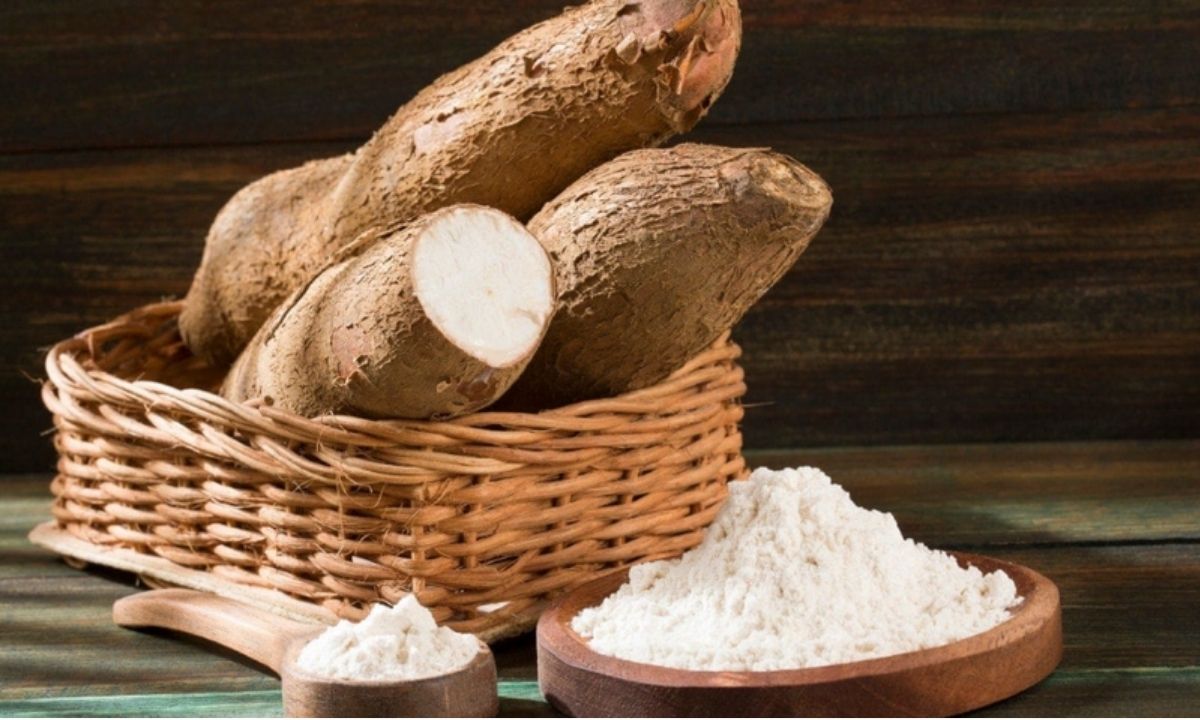
National standard takes effect in 2027
Vietnam will introduce mandatory national quality and food-safety requirements for food-grade cassava starch on January 1, 2027. The rules are contained in QCVN 31:2026/BCT, the national technical regulation issued with Circular 40/2026/TT-BCT by the Ministry of Industry and Trade.
According to LuatVietnam.vn, the ministry issued the circular on June 30, 2026. Article 2 provides that it will enter into force on January 1, 2027, giving companies in the Vietnamese segment of the global cassava starch market a defined period to prepare their testing, documentation and quality-control procedures.
Eight mandatory quality and safety indicators
The regulation requires food-grade cassava starch to satisfy eight indicators set out in Section II of QCVN 31:2026/BCT. Six are physicochemical indicators contained in Table 1. One concerns the permitted level of lead contamination, listed in Table 2, and one covers the total count of yeasts and molds, specified in Table 3.
The source text identifies pH as one of the physicochemical measurements. It is tested using a 10% starch suspension, measured by weight per volume, in water. The available source does not list the other five physicochemical indicators or provide the numerical limits for pH, lead, yeasts or molds. Businesses will therefore need to consult the full text of QCVN 31:2026/BCT when designing compliance and laboratory-testing programs.
Rules cover the full commercial chain
The standard applies to organizations and individuals that manufacture, trade, import or export food-grade cassava starch within Vietnam. It also covers other organizations and individuals connected with the product. The scope means the requirements are relevant not only to starch factories but also to distributors, food-sector buyers and companies handling cross-border shipments.
For producers, compliance will depend on controlling product characteristics and contamination throughout processing, storage and handling. The separate limits for lead and for yeasts and molds make chemical and microbiological testing part of the mandatory framework. Buyers using cassava starch as a food ingredient will need evidence that supplied material meets all eight indicators rather than relying only on commercial specifications.
Preparation priorities for market participants
Companies have until the effective date to compare current specifications with the national regulation, confirm that laboratories can perform the prescribed methods and establish how results will be recorded. Importers and exporters must also check that overseas suppliers, customers and testing partners work with the same requirements where products are placed on the Vietnamese market.
The regulation creates a single mandatory baseline for food-grade cassava starch across domestic production and trade. It does not distinguish among market participants: from January 1, 2027, every covered product must meet all eight quality and safety indicators. Producers and buyers that complete testing and supplier reviews before that date will be better positioned to avoid rejected batches or interruptions when the standard becomes enforceable.