Vietnam’s first grid-connected DPPA opens path toward competitive retail electricity
Vietnam has begun its first renewable power transaction under the grid-connected direct power purchase agreement mechanism. The deal links the 49 MWp/41.4 MWac Duc Hue 2 solar plant with Samsung Electronics Vietnam Thai Nguyen and provides about 70 GWh annually.
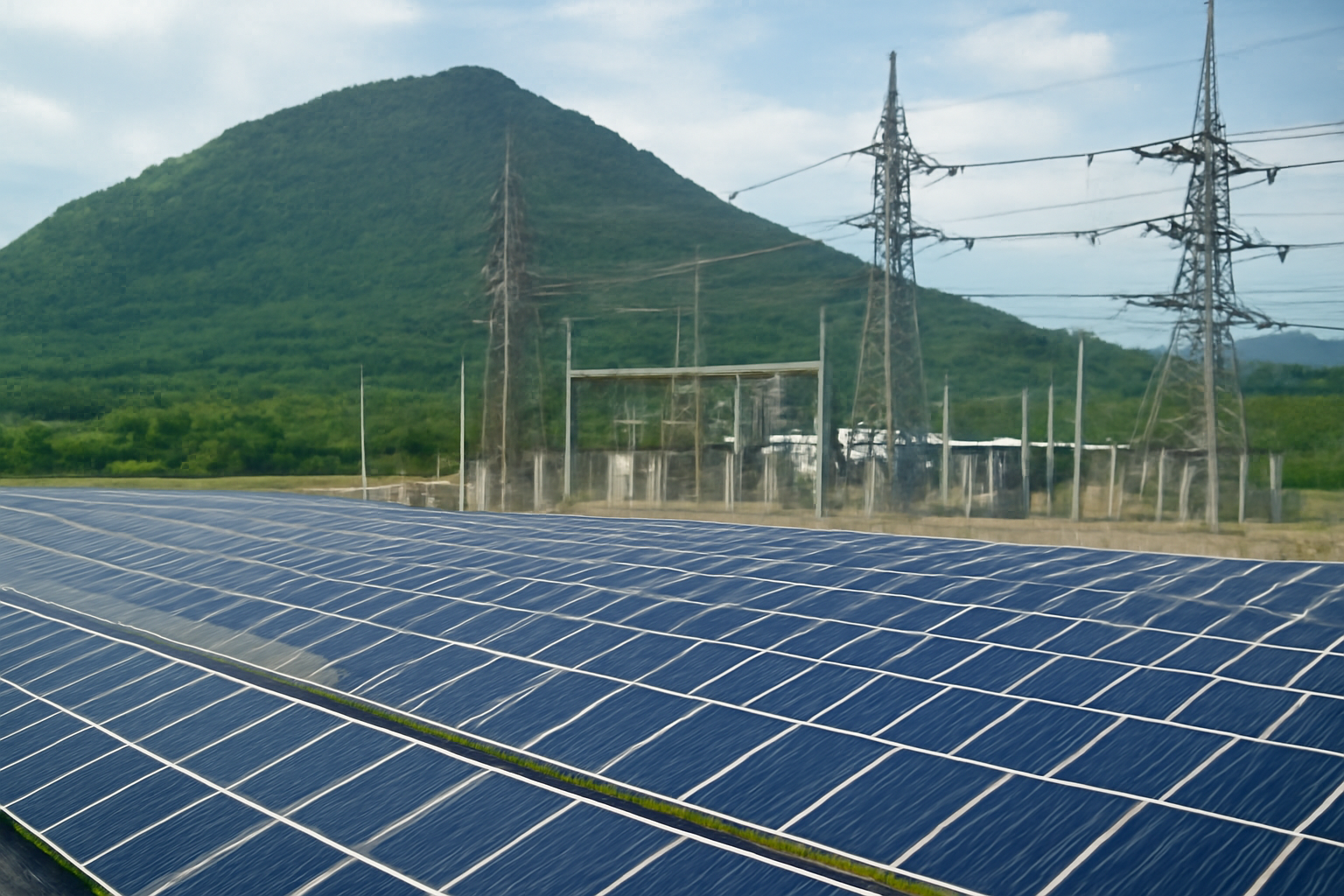
First grid-connected transaction begins
Vietnam’s first renewable electricity transaction under the grid-connected direct power purchase agreement mechanism began on June 1, 2026, giving the country its first operational test of direct contracting between a renewable generator and a large power consumer. The mechanism, known as DPPA, is intended to widen access to renewable electricity, improve transparency in power trading and support Vietnam’s planned development of a competitive retail electricity market.
Vietnam Economic News reported that TTC Duc Hue 2 Solar Power Plant officially joined the Vietnam Competitive Wholesale Electricity Market and the DPPA mechanism through the national grid after its application and market-participation conditions were reviewed. The National System and Market Operation Company, or NSMO, notified the Ministry of Industry and Trade, the Electricity Regulatory Authority of Vietnam, Vietnam Electricity and other relevant parties.
The plant is operated by TTC Duc Hue–Long An Power JSC. Samsung Electronics Vietnam Thai Nguyen, or SEVT, became the first corporate customer in Vietnam to buy renewable electricity through the mechanism. Its smartphone factory is located in Yen Binh Industrial Park in northern Vietnam, while the solar installation is in Tay Ninh Province in the south.
A 70 GWh annual supply
Duc Hue 2 has designed capacity of 49 MWp/41.4 MWac. Under the agreement, SEVT is expected to secure approximately 70 GWh of solar electricity per year, an amount equivalent to the annual consumption of about 17,000 households. The project is also expected to reduce carbon dioxide emissions by approximately 46,000 tonnes annually, according to Vietnam Government News and Vietnam Economic News.
The solar plant operates in an area receiving approximately 2,200–2,500 sunshine hours a year. Electricity generated at the facility enters the national power system, where volumes are measured, verified, dispatched, traded and settled through the electricity market. The arrangement therefore differs from a simple private-wire supply: the national grid and established market processes remain central to delivery and settlement.
The DPPA framework is governed by Decree No. 57/2025/ND-CP, dated March 3, 2025. The plant’s wholesale-market participation is also subject to Ministry of Industry and Trade Circulars No. 16/2025/TT-BCT and No. 36/2025/TT-BCT. These rules provide the legal and operational basis for renewable generators and qualifying large users to transact under the mechanism.
Commercial test for broader competition
The first trade does not by itself create a fully competitive retail market. It does, however, demonstrate that a generator, a major industrial consumer, the wholesale market and the national grid can complete the required metering, dispatch, trading and settlement processes. That practical record matters to other renewable developers and electricity-intensive manufacturers assessing whether future contracts can be executed under the same framework.
pv magazine reported that Vietnam’s DPPA framework first took effect in July 2024 and was updated in March 2025 with revised eligibility conditions and more detailed guidance. The publication cited energy analyst Lam Pham as saying that Vietnam has 159 multinational manufacturers with targets to use 100% renewable energy. Such companies are a potential customer base for further direct contracts, although future projects will still depend on commercial terms, grid access and compliance with market rules.
NSMO said it would continue coordinating with generators, electricity traders, large consumers and other participants to operate the mechanism safely, transparently and in accordance with regulations. For developers, the first transaction establishes a new route to industrial demand. For large manufacturers, it creates a regulated means of contracting renewable supply while continuing to use the national power system.