Vietnam durian exports to China surge 76.7%, output may overtake Thailand
Vietnam's durian exports rebounded to over USD 562 million in the first five months of 2026, up 45% year on year, as quarantine pressure eased. China absorbed USD 492 million, or 87.5% of the total, and Vietnam's output could surpass Thailand's this year.
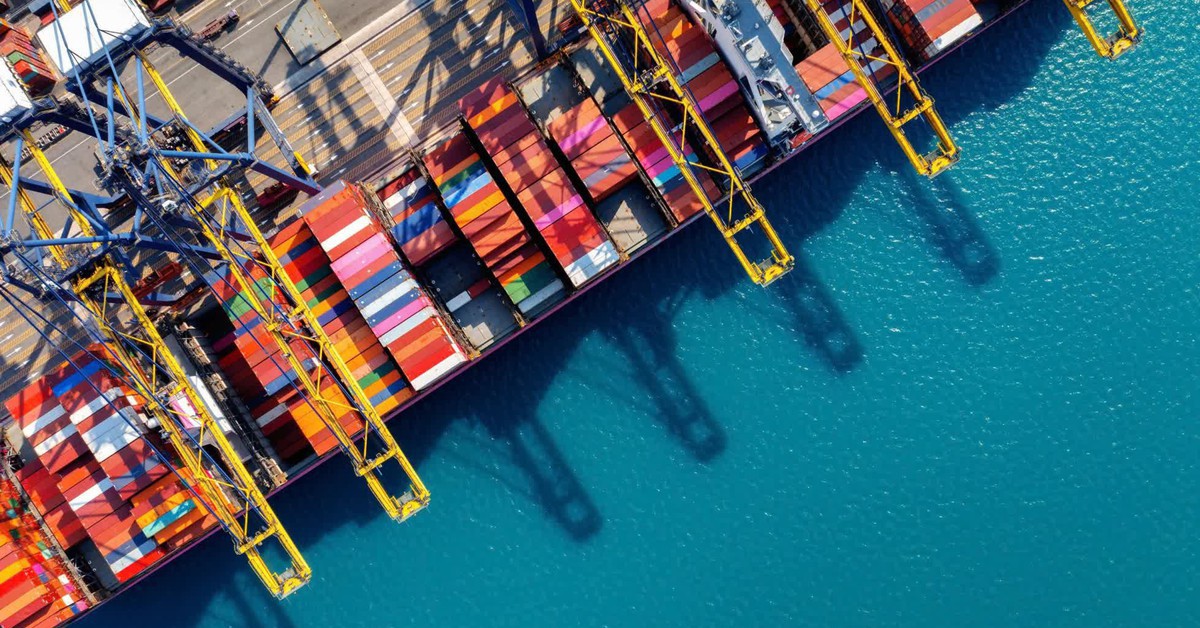
Vietnamese durian shipments to China surge as quarantine pressure eases
Vietnam's durian exports are recovering after months of pressure from quarantine requirements and quality controls imposed by import markets, according to reporting by soha.vn and cafebiz.vn citing data from Vietnam's Customs Department. In the first five months of 2026, durian export turnover exceeded USD 562 million, up 45% year on year, accounting for about 20.3% of the country's total fruit and vegetable exports.
The rebound was concentrated in May, when durian exports reached USD 269 million — a 278% jump from the previous month and 32% higher than in May 2025. The monthly surge points to a sharp normalisation of shipments after clearance bottlenecks earlier in the period.
Fresh fruit dominates, frozen grows fastest
By product structure, fresh durian remained the largest category at USD 483 million, or 86% of total turnover, up 43% year on year. Frozen durian reached USD 78 million, a 60% increase, making up 14% of the total. Newly developed processed products accounted for only about 0.2%, indicating that Vietnam's durian trade remains overwhelmingly a fresh-fruit business.
China absorbs the bulk of shipments
China remained by far the largest destination. In the first five months, durian exports to China reached USD 492 million, up 76.7% year on year and representing 87.5% of total durian export value. The sources noted that China spent close to half a billion dollars importing the fruit from Vietnam over the period, underscoring how concentrated the trade is on a single market.
Output may surpass Thailand, but quality is the constraint
Speaking at a forum titled "What to do to reach USD 100 billion in agro-forestry-fishery exports?", Nguyen Thanh Binh, chairman of the Vietnam Fruit and Vegetable Association (Vinafruit), said durian still holds substantial potential to contribute to the sector's export goals. Vietnam currently has about 170,000 hectares planted with durian, and output this year could reach 1.8–2 million tonnes, potentially surpassing Thailand.
Binh said the main bottleneck lies not in volume but in product quality. Small-scale farming practices and prolonged use of chemical fertilisers and pesticides have left some growing areas with accumulated heavy metals and chemical residues, affecting the ability to meet export standards. Inspection and testing capacity has also failed to keep pace with the industry's growth; in late 2025 and early 2026, many fruit shipments to China had to wait for inspection, extending customs clearance times and raising costs for businesses.
He called for more inspection facilities located directly in raw-material areas and for closer data links with Chinese authorities to shorten clearance times. According to Binh, China has proposed building "smart border gate" and "smart customs" models, under which cargo data would be digitised, connected between the two countries' customs agencies and subject to mutual recognition of inspection results.
Binh also stressed the need to expand planting-area codes. Only about 30–40% of Vietnam's durian area has been granted such codes, leaving significant room to enlarge the eligible export zone if negotiations and licensing with China are accelerated. Rather than chasing volume, he said, the industry must shift decisively toward prioritising quality and food safety. "If we do not change our thinking about quality... foreign customers and importing countries will reject our goods," he said.