Vietnam’s Dragon Fruit Supply Chain Loses Up to 20% Before Export
Vietnamese dragon fruit can lose up to 20% of its volume before export as produce moves through a fragmented, multi-stage logistics chain. Repeated handling, irradiation requirements and the absence of an integrated regional logistics center increase costs and reduce the time available to correct supply-chain failures.
Five stages between the orchard and the port
Vietnamese fruit exporters are losing part of their marketable crop before shipments reach the port, as produce passes through a fragmented chain of small vehicles, trucks, processing facilities and containers. CafeBiz reports that dragon fruit, depending on its sensitivity, can lose up to 20% of its volume during this journey.
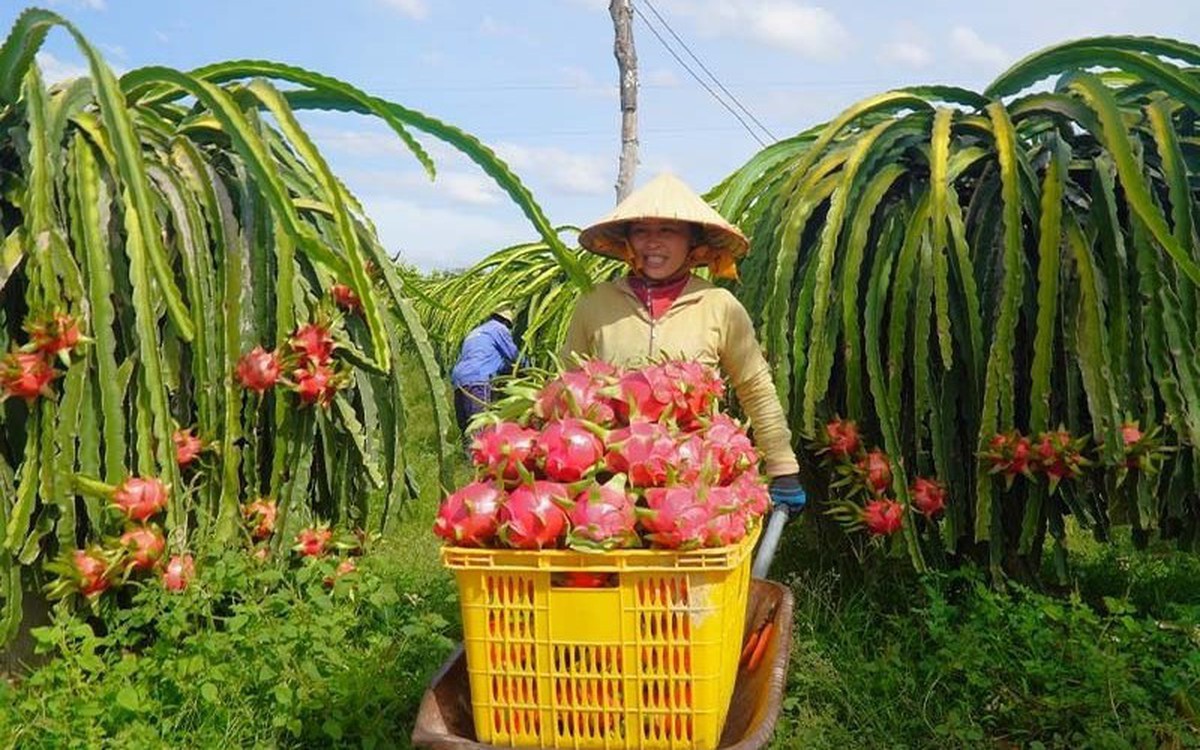
The process begins inside the orchard. Farmers use hand-pulled carts to move harvested fruit from their plots to narrow local roads. The produce is then transferred to motorcycles or Hoa Lam three-wheel cargo vehicles, which carry it to a wider paved road. There, workers load it again onto larger trucks for delivery to a production or processing plant.
At the final stage, containers transport the processed agricultural goods to an export port. Each transfer adds handling time and creates another opportunity for fruit to be bruised, exposed to unsuitable conditions or delayed. For highly perishable fresh produce, these losses directly reduce the volume that exporters can sell.
Irradiation and paperwork add pressure
The journey becomes longer when agricultural products require irradiation for demanding overseas markets. CafeBiz notes that this additional step comes before accounting for document flows and administrative procedures. The physical supply chain and the clearance process therefore place simultaneous pressure on a product whose commercial life is already limited.
Fresh-fruit exports leave businesses little room for mistakes. A delay at one transfer point can affect the remaining stages, while repeated loading and unloading raises the risk of damage. When losses reach 20% for a sensitive product such as dragon fruit, farmers, processors and exporters have less saleable volume over which to spread transport, processing and compliance costs.
The problem is not confined to freight charges. Spoilage represents fruit that has already absorbed labor and transport resources but will not generate export revenue. It can also complicate planning for processors and traders, because the quantity harvested at the farm is not necessarily the quantity available for final shipment.
An integrated logistics center remains unrealized
Farmers and companies continue to face these conditions daily, according to CafeBiz. A proposed regional logistics center intended to integrate quarantine and customs-clearance activities has been discussed for a long time but has yet to take shape. The source does not provide a construction schedule or investment figure.
Such integration would address only part of the chain, but its absence leaves companies coordinating multiple physical movements and official procedures separately. The current route from orchard to port includes several handoffs before any additional irradiation, documentation or clearance requirements are considered.
For Vietnam’s fruit industry, the immediate commercial issue is the gap between harvested and exportable volume. Reducing transfers, shortening waiting times and bringing inspection and clearance functions closer together could preserve more fruit for sale. Until the planned center materializes, exporters must manage a five-stage route in which time, product condition and logistics costs determine how much of the crop ultimately reaches the vessel.