Vietnam issues Decree 365/2026, cutting licensing conditions for rice exporters
Vietnam's government issued Decree 365/2026/ND-CP on 23 September 2026, replacing the rice trade framework built on Decree 107/2018/ND-CP. The text cuts export business conditions from three to two, shortens licensing from 15 to 10 working days and reduces reporting from three filings a month to one. It also tightens export entrustment, certificate revocation and the rules for centralized export contracts.
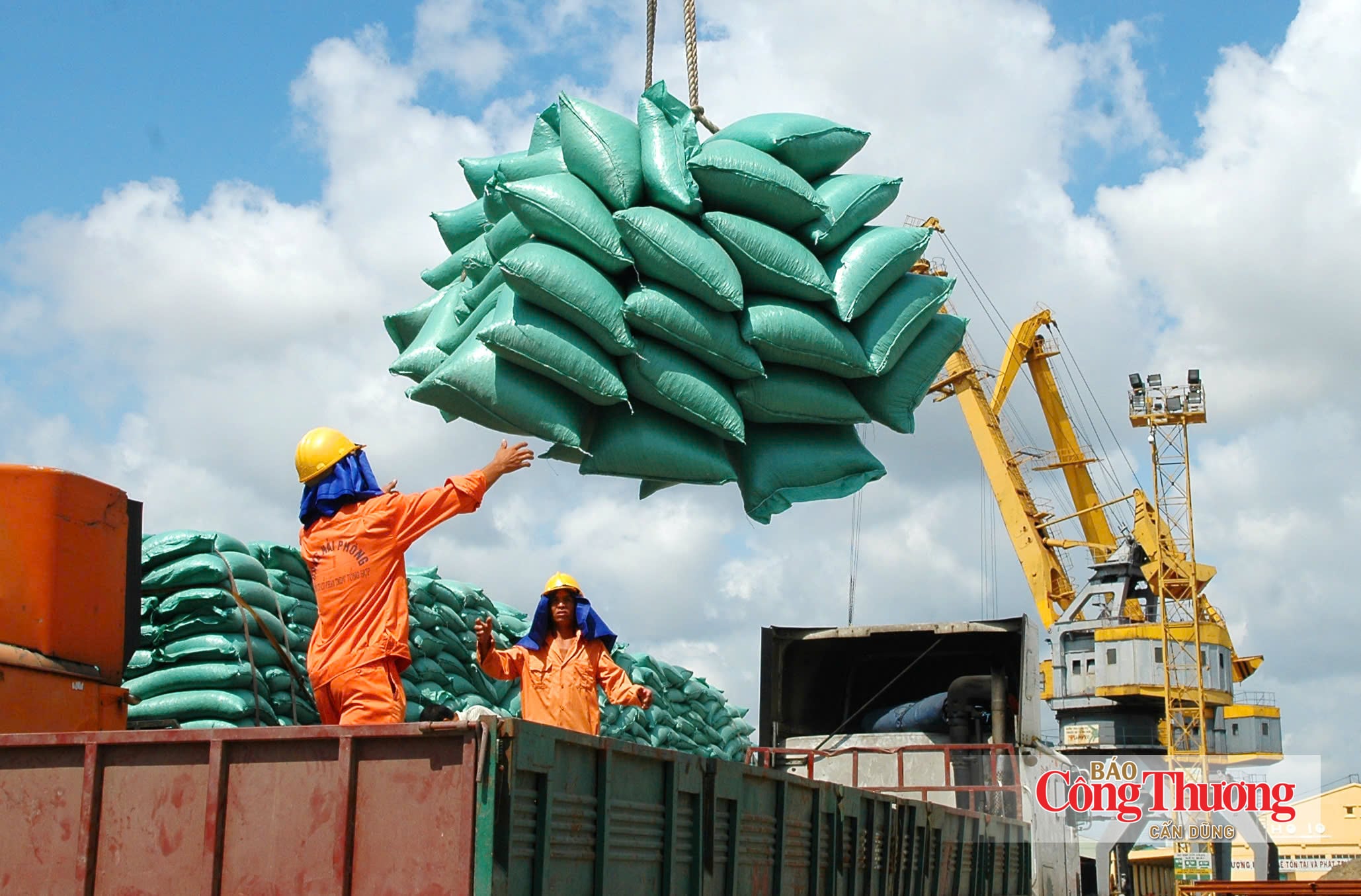
Vietnam's government issued Decree 365/2026/ND-CP on 23 September 2026, resetting the rules for the rice export and import business. According to vietnam.vn and congthuong.vn, which cite the Import-Export Department of the Ministry of Industry and Trade, the text was drafted after a review of Decree 107/2018/ND-CP of 15 August 2018 and its amendment, Decree 01/2025/ND-CP of 1 January 2025. It retains the provisions that still work, removes those that proved burdensome in practice, and is designed to cut traders' market-entry costs while sharpening the state's tools for steering export flows.
Two conditions instead of three
The clearest change is the number of conditions a company must meet to trade rice abroad: three under Decree 107/2018/ND-CP, two under the new text. Both publications describe the cut as making it easier for enterprises to access and enter the rice export market.
The decree also widens the exemptions. Traders exporting organic rice, parboiled rice and rice fortified with micronutrients no longer need a dedicated paddy and rice warehouse or a milling facility to obtain the certificate of eligibility for rice export business. They are also released from the circulation reserve obligation and from the periodic reporting that applies to ordinary rice exporters. The stated aim is to encourage product diversification and raise the value added of Vietnamese rice in high-quality and specialty segments.
Shorter licensing times, lighter paperwork
Administrative procedures were reviewed against principles of transparency, simplicity and lower time and cost for both authorities and companies, in line with Resolutions 66-NQ/TW and 68-NQ/TW. The specific reductions are:
- Issuance of the certificate on a complete dossier falls from 15 working days to 10 working days.
- The deadline to reply to a company when the dossier is incomplete falls from 7 working days to 5 working days.
- Re-issuance, amendment or supplementation of the certificate on a complete dossier falls from 10 working days to 7 working days, with the reply on an incomplete dossier also cut from 7 to 5 working days.
- Business registration, enterprise registration and investment certificates are no longer required in the application file, and no notarised documents are demanded, since authorities can check the national enterprise database themselves.
- Periodic reporting drops to one report on the 5th of each month, against three reports a month under Decree 107/2018/ND-CP.
Entrustment tightened, certificates revocable
On export entrustment, the decree states that only traders holding the certificate may accept entrusted rice exports. The rule is presented as a way to work niche markets and widen access to international customers, allowing companies with market-development capacity but without a certificate to route shipments through licensed traders rather than exporting directly.
Sanctions were reworked in parallel. The certificate can be revoked if a trader does not export rice continuously, if it fails to maintain the required circulation reserve, or at the proposal of the competent authority. The stated purpose is to secure supply for export and support market stabilisation during periods of volatility.
Annual balance and centralized contracts
The decree sets out the objectives of export administration: absorbing marketable paddy and rice, protecting the interests of rice growers, balancing exports against domestic consumption, helping stabilise paddy and rice prices, and honouring international commitments. Each year the Ministry of Agriculture and Environment, working with provincial People's Committees, is to balance domestic consumption needs and publish in the fourth quarter the volume of marketable paddy and rice available for export in the following planning year, which becomes the basis for export administration.
For centralized export contracts, the decree specifies the designation of a focal trader and a rotating focal point mechanism. The focal trader exports 20% of the contract directly, while the remaining 80% is allocated to other traders through entrustment, based on public criteria including export performance, results in developing raw material areas and the trader's credibility. Where market conditions require it, the Prime Minister may adjust rice export activity and apply an export price framework at the proposal of the Ministry of Finance, the Ministry of Agriculture and Environment and the Ministry of Industry and Trade. Responsibilities of ministries, branches and local authorities were also updated to match the new state organisational model.