Vietnam’s dairy import turnover records double-digit growth through May 2026
Vietnam’s spending on imported milk and dairy products rose at a double-digit rate during the first five months of 2026. The increase signals stronger demand for foreign suppliers, although the available market report does not disclose the import value or product-level volumes.
Import spending accelerates
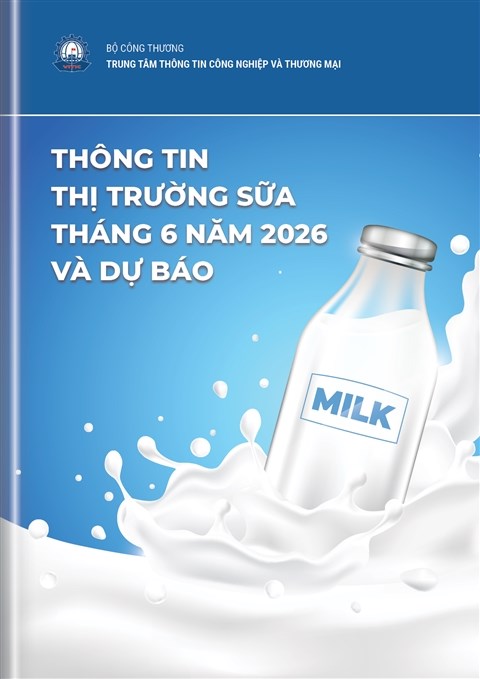
Vietnam recorded a substantial increase in imports of milk and dairy products during the opening months of 2026, according to a June market update published by VinaNet. Import turnover for the first five months of the year grew at a double-digit rate compared with the corresponding period of 2025.
The available report does not provide a complete import value, physical volume or breakdown by dairy category. It therefore remains unclear whether the increase was driven mainly by larger shipments, higher prices, a shift toward more valuable products or a combination of those factors. Even with those limitations, the direction of the data is relevant for dairy exporters because it indicates that Vietnam spent materially more on foreign dairy products at the start of 2026.
Import turnover measures the value of goods crossing the border rather than domestic retail sales. Growth in that figure can reflect changes in international prices, freight costs and the product mix as well as underlying consumption. Exporters assessing the Vietnamese market will need volume and unit-value data before treating the increase as a direct measure of demand growth.
Opportunities across the dairy supply chain
The broader product group covers milk and dairy products, potentially spanning liquid milk, concentrated or powdered products, fermented dairy, whey, butter and cheese. The source material does not identify which of these categories contributed most to the increase. That distinction matters because each segment has different transport requirements, storage conditions, customers and exposure to commodity prices.
For suppliers of shelf-stable or concentrated dairy ingredients, rising import expenditure can point to stronger purchasing by food manufacturers and distributors. For exporters of refrigerated products, the commercial opportunity depends more heavily on cold-chain capacity, shelf life and access to retail and food-service channels. Without category data, suppliers should avoid assuming that growth was evenly distributed across the market.
The increase may also affect procurement decisions inside Vietnam. Importers facing higher overall expenditure must distinguish between growth caused by additional volumes and growth caused by higher landed costs. If volumes are rising, distributors may need more storage and working capital. If prices are the main driver, buyers may place greater emphasis on contract timing, supplier diversification and product substitution.
More detail needed to assess trade momentum
The first-five-month result offers an early signal rather than a full-year trend. Dairy trade can change during the year as inventories, consumer demand, food-processing requirements and international prices evolve. Comparisons based only on import value can also obscure weaker volumes when unit prices rise, or stronger physical demand when prices fall.
For exporters, the next useful indicators will be import tonnage, average customs value and the distribution of purchases among individual dairy categories. Supplier-country data would show which origins are capturing the additional spending and whether the increase is concentrated or broadly shared. None of those details is contained in the supplied market summary.
Vietnam nevertheless stands out as a market where dairy import expenditure moved higher during the first five months of 2026. The double-digit increase gives international producers and traders a reason to monitor upcoming customs releases, while importers will need more granular data to determine whether the expansion represents sustained volume growth or primarily a change in prices and product mix.