Vietnam’s corn imports reach 8.2 million tonnes as Indian supply surges
Vietnam imported an estimated 8.2 million tonnes of corn worth more than $2 billion in the first seven months of 2026. Argentina remained the leading supplier, while shipments from Brazil and India recorded particularly rapid growth.
Imports rise by more than half
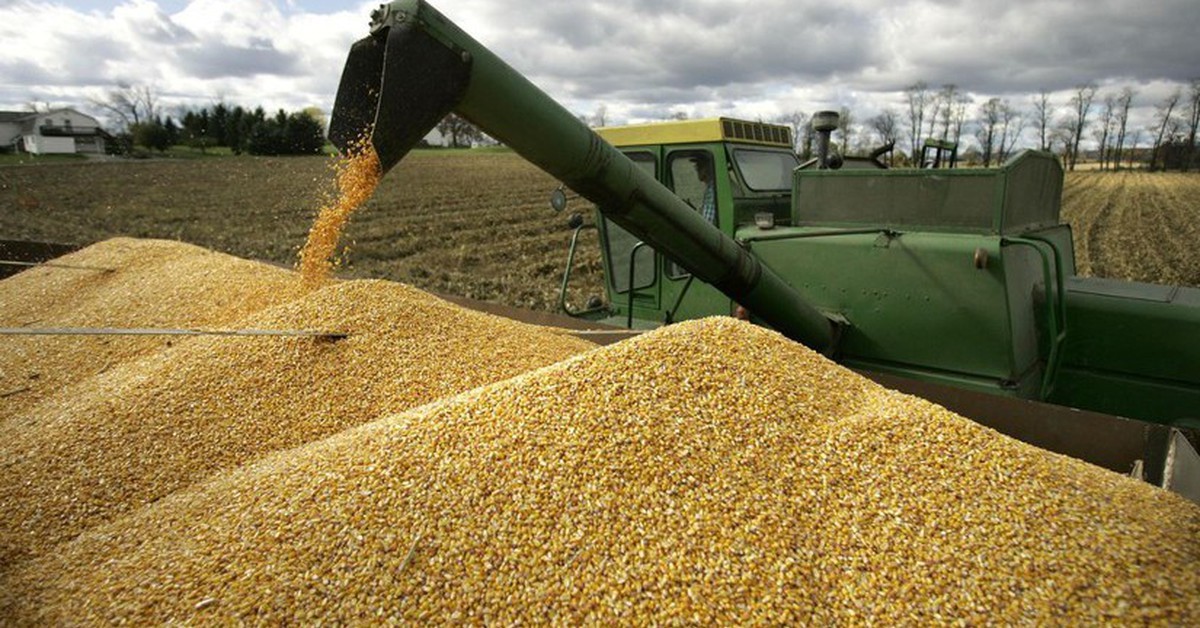
Vietnam’s corn imports increased sharply during the first seven months of 2026 as livestock feed and processing companies continued to require large volumes of raw material. According to estimates reported by Soha, the country imported approximately 8.2 million tonnes valued at more than $2 billion, up 51% in volume and 48% in value from the same period of 2025.
Imports in July alone were estimated at around 1.4 million tonnes worth $377 million, slightly below the previous month. The figures indicate that volume expanded faster than expenditure during the seven-month period, reflecting access to competitively priced cargoes from South America and other origins.
Argentina leads as Brazil gains ground
Argentina remained Vietnam’s largest corn supplier, shipping approximately 3.5 million tonnes valued at $875 million during the period. Both volume and value posted double-digit growth compared with the first seven months of 2025. Brazil ranked second with about 2.4 million tonnes worth $603 million, while the volume sourced from the country rose 120% year on year.
Together, Argentina and Brazil supplied about 5.9 million tonnes, representing most of Vietnam’s reported corn inflows. Their scale highlights the importance of South American crops to Vietnamese feed manufacturers and processors. Meanwhile, imports from neighboring Cambodia, Thailand and Laos declined sharply, which Soha linked mainly to seasonal conditions and weather.
Indian cargoes introduce new competition
India recorded the most dramatic change among Vietnam’s suppliers. Vietnam imported approximately 702,000 tonnes of Indian corn worth nearly $177 million in the first seven months. Compared with the corresponding period of 2025, volume increased by more than 41,400% and value by more than 6,000%. The reported average import price fell 85% to $252 per tonne.
Soha attributed the expansion of Indian supply to competitive pricing, an ability to deliver large volumes and flexible shipment schedules. Indian exporters have also invested in cleaning, grading and moisture control in recent years, improving the suitability of their corn for livestock feed production. These factors give Vietnamese buyers another option for managing inventories and reducing dependence on established suppliers.
Feed demand keeps import requirements high
Vietnam is among roughly 30 countries with significant corn production, but its domestic crop does not cover demand from its expanding livestock and processing industries. Corn generally accounts for around 30-50% of livestock feed formulations, depending on the product. Demand has also been supported by the rebuilding of livestock, poultry and aquaculture populations after a difficult period.
Higher feed consumption in the first half of 2026, combined with access to competitively priced foreign grain, accelerated import flows. Soha reported that Vietnam ranks among the world’s major corn importers, behind China, the European Union, Mexico, Japan, South Korea and Egypt. With livestock production continuing to recover and expand, raw-material demand is expected to remain high. Importers are therefore likely to maintain substantial purchasing volumes while diversifying origins to control costs and secure reliable supplies.