Vietnam’s corn imports reach $1.71 billion as Indian shipments surge
Vietnam imported nearly 6.8 million tonnes of corn worth about $1.71 billion in the first half of 2026. Brazil remained the dominant supplier, while shipments from India increased more than 310-fold in the first five months.
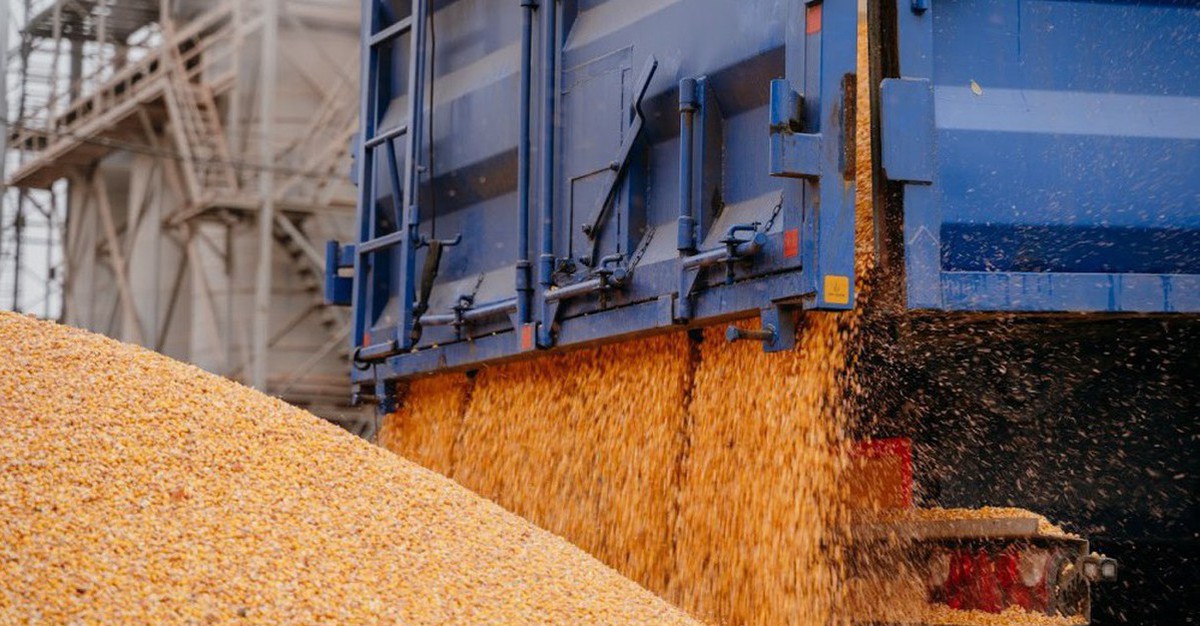
Half-year imports rise by more than half
Vietnam’s corn imports accelerated in the first half of 2026 as demand from animal feed producers and processors remained high. The country imported nearly 6.8 million tonnes worth about $1.71 billion during the six-month period, according to estimates reported by Soha and Kenh14. Volume increased 53% from the same period of 2025, while expenditure rose 48%.
June accounted for about 1.52 million tonnes valued at $392 million. Compared with May, the monthly volume rose 80% and the value increased 82%. The faster growth in expenditure than tonnage during June contrasts with the half-year comparison, in which import volumes expanded more rapidly than their value.
The purchases serve a domestic livestock industry that requires large quantities of feed grain, as well as food processing and export-oriented manufacturing. Vietnam is among roughly 30 countries with significant corn production, but its harvest is insufficient to meet its expanding raw-material needs. The country consequently remains one of the world’s major corn importers, behind China, the European Union, Mexico, Japan, South Korea and Egypt.
Brazil consolidates its lead
Brazil remained Vietnam’s largest corn supplier. During the first five months of 2026, Brazilian exporters shipped 2.34 million tonnes to Vietnam for $577 million. The volume was 133% higher than a year earlier, while the value rose 131%.
Brazilian corn represented 44.3% of Vietnam’s imported volume and 43.7% of its corn import bill. Those shares give Brazilian suppliers a central position in Vietnam’s feed-grain market and expose domestic buyers to crop, logistics and pricing conditions in South America.
Argentina retained second place but lost ground. Vietnam imported 1.63 million tonnes of Argentine corn worth $411 million in the first five months. Volume declined 17% and value fell 19% from the corresponding period of 2025. Argentina nevertheless supplied about 31% of both the quantity and value of Vietnam’s corn imports.
Indian corn gains access through price and quality
India remained a smaller supplier but recorded the sharpest increase. Vietnam bought approximately 504,200 tonnes of Indian corn worth nearly $127.3 million during the first five months. Compared with a year earlier, volume rose more than 310-fold, or 30,900%, while value increased more than 45-fold, or 4,400%.
The large gap between the growth rates for volume and value indicates that Indian corn entered Vietnam at substantially lower prices than in the previous-year period. Soha and Kenh14 reported that competitive pricing, the ability to supply large consignments and flexible delivery schedules have made India more attractive to Vietnamese importers seeking tighter inventory control.
Indian exporters have also invested in cleaning, grading and moisture control. The resulting quality improvements have helped their corn meet animal-feed processing requirements more consistently, supporting buyer confidence and repeat orders.
Import competition pressures domestic growers
For Vietnamese feed mills and livestock producers, a broader supplier base can improve purchasing flexibility and reduce dependence on any single origin. Strong Brazilian availability and the rapid emergence of Indian cargoes provide alternatives as Argentine shipments contract.
For domestic corn growers, however, greater access to competitively priced imported grain increases pressure on farm-gate prices and production economics. The data also show that Vietnam’s planted area and position among notable producers do not translate into self-sufficiency when feed demand is expanding faster than local output.
Continued growth in livestock-feed consumption is expected to sustain Vietnam’s reliance on imported corn. Supplier competition in 2026 is therefore being shaped by Brazil’s dominant share, Argentina’s decline and India’s ability to convert lower prices and improved handling standards into significantly larger sales.