Vietnam drafts construction materials law to curb sub-licences and administrative intervention
Vietnam’s Ministry of Construction is drafting a law designed to avoid new sub-licences and reduce administrative intervention in the construction-materials market. The proposal could change competitive conditions for domestic producers and distributors by giving market mechanisms a larger role.
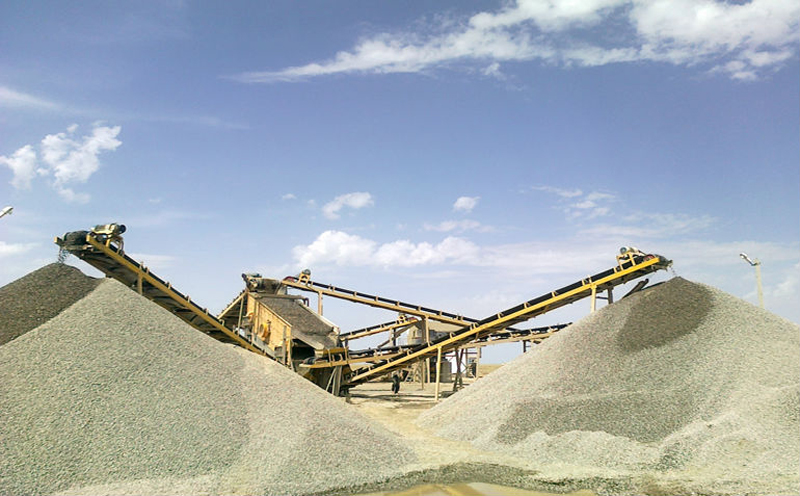
Ministry targets regulatory barriers
Vietnam’s Ministry of Construction is preparing a draft Law on Construction Materials that is intended to avoid creating additional sub-licences, reduce administrative intervention and allow the sector to operate more closely according to market mechanisms. The proposal, reported by Thuong Truong, could reshape the regulatory environment for companies producing and distributing construction materials in Vietnam.
The initiative focuses on how the state governs the market rather than on a specific material, production target or trade measure. No implementation date, detailed licensing provisions or quantitative estimates of the law’s economic impact were included in the available information. The proposal therefore remains a policy direction rather than a completed regulatory framework.
Competitive conditions could change
Sub-licences can add procedural steps beyond a company’s principal authorization to operate. Avoiding new requirements of this kind could limit compliance burdens for established producers and distributors, while potentially lowering administrative barriers for new market entrants. The practical effect will depend on the final text, including which approvals remain in place and how national and local authorities apply them.
A reduction in direct administrative intervention could also give prices, supply and commercial demand a greater role in business decisions. Domestic manufacturers would still compete on production costs, product availability and customer relationships, but regulatory execution could become a more important dividing line between efficient operators and companies dependent on administrative protections. Distributors may benefit if approvals and market-access procedures become simpler, although the available material does not specify which processes would change.
Industry awaits the detailed draft
For producers, the central question is whether the law will reduce duplicated procedures without weakening essential oversight. Construction materials affect building quality and safety, so deregulation of business procedures does not necessarily imply the removal of product standards or technical controls. The information released so far does not define how the draft will distinguish between unnecessary licensing and requirements retained for quality, safety or environmental purposes.
Investors and market analysts will also need details on the scope of the legislation. The competitive impact may differ across construction-material categories and between large national manufacturers, smaller producers and distribution businesses. Importers and exporters could be affected if the eventual law changes conformity procedures or routes to market, but no specific customs, tariff or cross-border trade provisions have been reported. Until the draft provides operational rules, its immediate significance lies in the government’s stated preference for fewer sub-licences, less administrative intervention and a more market-oriented construction-materials sector.