Vietnam holds 2.7% of Australia's $308 billion import market despite 88% export growth since 2020
Vietnamese merchandise exports to Australia rose 88% between 2020 and 2025 but still account for only about 2.7% of Australia's import market, which exceeded $308 billion in 2025. Trade officials and business groups meeting in Ho Chi Minh City on 30 September said coffee, fruit, vegetables, pepper, cashew nuts and seafood have shelf presence, while biosecurity, labelling and distribution remain the binding constraints.
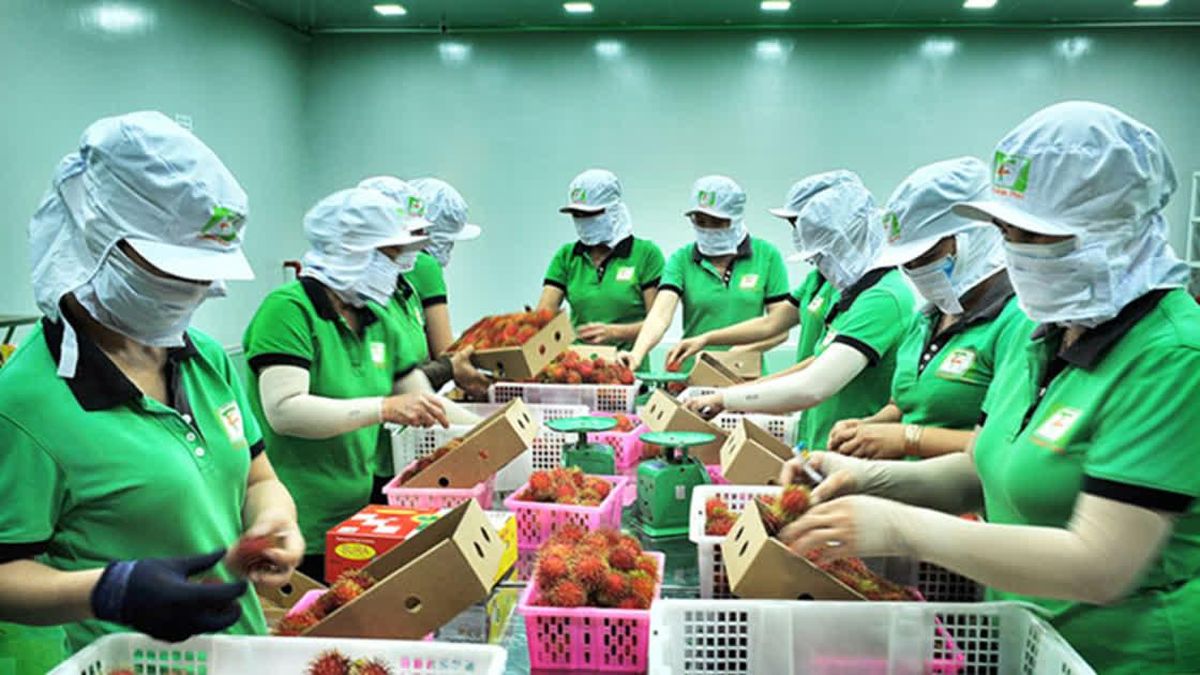
Vietnamese goods account for about 2.7% of Australia's import market despite an 88% increase in shipments between 2020 and 2025, leaving exporters of coffee, fruit, vegetables and spices with a wide gap between current volumes and what the market could absorb, according to figures presented at a trade seminar in Ho Chi Minh City on 30 September and reported by Vnbusiness.
The seminar, titled “Potential for exports to the Australian market: solutions to improve access and expand market reach”, brought together trade officials and business groups from both countries. Le Anh Hoang, deputy director of the Ho Chi Minh City Investment and Trade Promotion Centre (ITPC), said Australia still offers room for Vietnamese suppliers across industrial goods, machinery and equipment, textiles, footwear and wood products, as well as agricultural produce, seafood and processed food.
A 2.7% share of a $308 billion import bill
Australia imported more than $308 billion worth of goods in 2025, and Vietnam supplied roughly 2.7% of that total. The Vietnam Trade Office in Australia reports that a number of Vietnamese agricultural products have already secured supermarket distribution, with coffee, fruit and vegetables, pepper, cashew nuts and seafood among the lines taken up by consumers.
Sam Conroy, chairman of the Australian Chamber of Commerce in Vietnam (AusCham), put the addressable base at about 27.9 million people with GDP per capita of approximately 105,000 Australian dollars. About 32% of residents were born overseas, which Conroy said creates diverse consumption patterns and openness to Asian food products. He identified convenience-oriented processed food, organic food and Asian specialty products as segments Vietnamese companies can target, and said Halal-certified food also carries potential.
Conroy described the two economies as complementary: Australia supplies energy, minerals and input materials, while Vietnam is strong in manufactured goods, consumer products and food. On that basis, he said, the opportunity extends beyond categories where Vietnamese products are already established to new segments aligned with Australian consumption trends.
Concentrated retail and routes to market
Nguyen Manh Hiep, trade consul at the Vietnam Trade Office in Australia, said the country's retail sector is highly concentrated around chains such as Coles and Woolworths. Direct supply contracts with those groups can deliver large and stable order volumes, but supplier requirements are correspondingly demanding.
For companies approaching the market for the first time, Hiep recommended working with local distributors that already have warehousing and transport networks, which reduces entry risk. He also pointed to cross-border e-commerce through platforms such as Amazon and eBay as a way to test product appeal, interact with buyers and build a brand step by step, and cited trade fairs including Fine Food and Foodservice as channels for finding buyers and distribution partners.
Tariff preference is not market access
Matthew Lourey, chairman of Alitium, cautioned that meeting rules of origin to qualify for preferential tariffs does not automatically make a product eligible for import and sale in Australia. Exporters must simultaneously satisfy customs procedures, biosecurity quarantine, food safety rules, product standards and labelling requirements. For agricultural produce and food, import conditions are assessed product by product, taking into account ingredients, degree of processing, intended use and origin. Lourey advised exporters to work with their importers to check Australia's biosecurity import conditions system (BICON) and identify the permits, treatments and documents required before goods are shipped.
- customs clearance procedures
- biosecurity and quarantine controls
- food safety compliance
- product standards
- labelling requirements
Clearing customs is only the first step. To reach retail shelves, products need English-language labels covering ingredients, allergens, shelf life and origin, and any quality or environmental claims must be substantiated. Conroy said purchasing partners assess product quality, technical capability and the ability to sustain service, and that suppliers should prepare documentation on standards, inspection certificates and credentials relating to green production and sustainability.