Vietnam coffee prices fall as rice export prices rise on El Niño supply fears
Vietnam’s agricultural markets diverged, with Central Highlands coffee prices falling sharply while rice export prices increased. Vietnam News Agency linked the rice move to concerns that El Niño could constrain supply.
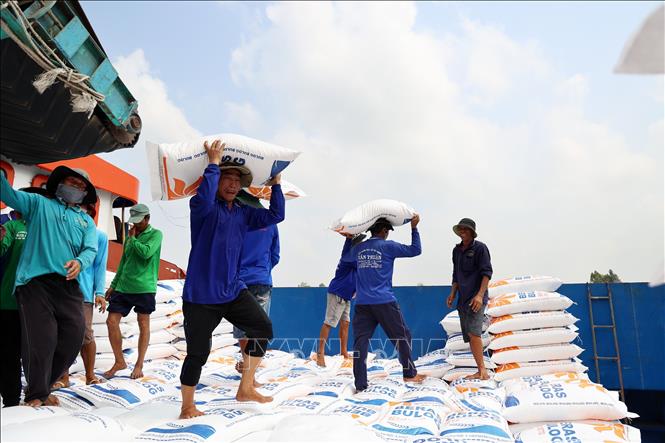
Vietnamese agricultural prices move in opposite directions
Vietnam’s agricultural commodity markets showed a marked divergence during the latest reporting period. Domestic coffee prices in the Central Highlands fell sharply, while the country’s rice export prices moved higher as the market assessed possible supply disruption linked to El Niño.
Vietnam News Agency reported that coffee prices in the Central Highlands had declined substantially. A separate market update dated August 17, 2026, from The World and Vietnam Report described domestic coffee prices as having reached their lowest level, although the material provided did not specify a price, percentage change or comparison period.
The contrasting movements matter because coffee and rice involve different production cycles, buyers and supply risks. The simultaneous decline in coffee and rise in rice therefore does not indicate a uniform change in Vietnam’s agricultural sector. Instead, it shows commodity-specific pricing in which expectations for each crop are moving independently.
Coffee market faces downward pressure
The fall in Central Highlands coffee prices directly affects growers and local intermediaries in Vietnam’s main coffee-producing region. Lower domestic quotations can reduce immediate selling revenue for producers, while processors and traders may gain access to cheaper raw material if the decline persists.
The supplied reports do not identify the cause of the coffee decline or provide figures for inventories, production, exports or international benchmark prices. It is therefore not possible to determine from the available material whether the move reflects harvest conditions, demand, currency changes, trader positioning or another factor. The confirmed development is limited to a sharp decline in Central Highlands prices and the August 17 report that domestic prices had reached their lowest level.
Rice prices strengthen on supply concerns
Vietnamese rice export prices moved in the opposite direction. Vietnam News Agency attributed the increase to concerns about supply under the potential impact of El Niño. The report did not provide an export quotation, identify a rice grade or specify which destination markets were paying higher prices.
For exporters, rising quotations can support revenue per unit, but supply concerns can also make procurement more difficult and increase the cost of securing grain. Importers buying Vietnamese rice face the reverse pressure: higher offer prices and greater uncertainty over future availability. The effect on individual companies will depend on existing contracts, inventory and the timing of purchases.
Divergence complicates decisions for market participants
The split market creates different incentives across Vietnam’s agricultural value chains. Coffee growers and merchants must manage a falling domestic market, while rice millers and exporters are operating against expectations of tighter supply and stronger export prices. Buyers should avoid treating the two price moves as evidence of a single countrywide trend.
The available source material does not quantify the duration or scale of either movement. Market participants will need more information on crop conditions, physical availability and confirmed transactions before judging whether the divergence is temporary or sustained. For now, the reported direction is clear: coffee prices in the Central Highlands have fallen sharply, while Vietnamese rice export prices have risen amid El Niño-related supply concerns.