Vietnam coffee exports exceed $6 billion as processed products gain ground
Vietnam exported nearly 1.7 million tonnes of coffee worth more than $6 billion in the first eight months of 2026. Lower average prices weighed on revenue, while instant and other processed coffee captured a growing share of export value.
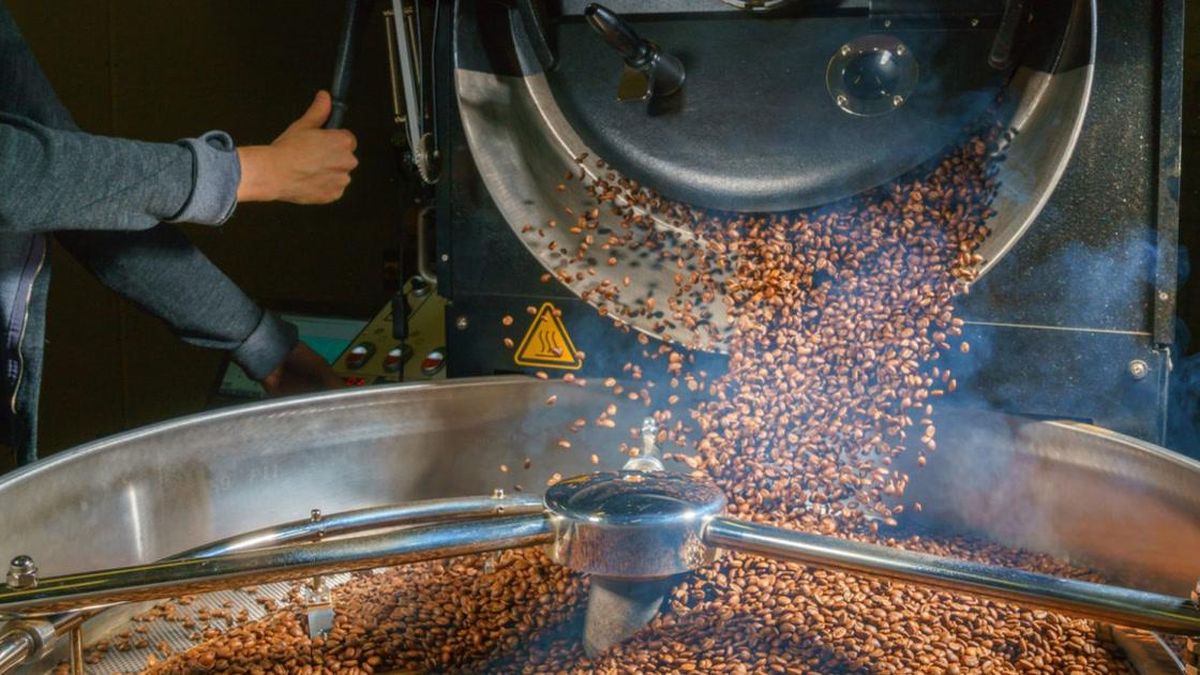
Export volume rises as prices weaken
Vietnam exported nearly 1.7 million tonnes of coffee worth more than $6 billion in the first eight months of 2026, according to the Vietnam Coffee and Cocoa Association, or Vicofa, as cited by Thương Gia. Volume increased by more than 10% from the same period of 2025, but export revenue fell 11.2% because average prices declined.
Robusta remained the industry’s mainstay, generating 73.3% of total coffee export revenue. Shipments reached nearly 1.01 million tonnes worth about $4 billion in the first seven months. Volume rose 11.4%, while value dropped 15.4%, illustrating the pressure created by improving global supply.
Processed coffee delivers more value
Vietnam exported about 105,317 tonnes of processed coffee valued at roughly $968 million during the first seven months. These products represented only around 8.6% of total export volume but contributed 17.4% of revenue. In July, roasted coffee averaged about $8,882 per tonne, compared with $3,760 per tonne for green beans.
Instant coffee is also taking a larger position in the export mix. In August 2026, Vietnam shipped about 310,000 60-kilogram bags, equivalent to 18,600 tonnes, exceeding Brazil’s instant-coffee export volume for that month. During the first 11 months of the 2024-2025 crop year, instant products accounted for 12.4% of Vietnam’s coffee exports in all forms, up from 11.5% in the comparable previous period.
Processing capacity is expanding. Trung Nguyên Legend is developing an instant-coffee plant with investment of about VND2 trillion across two phases and designed annual capacity of approximately 7,896 tonnes. Intimex plans to invest about VND450 billion to expand its Bình Dương plant toward 8,000 tonnes a year. Tata Coffee is enlarging its freeze-dried instant-coffee facility in the same province, while Nestlé has commissioned a glass-jar production line at its Trị An factory in Đồng Nai with initial capacity above 350,000 jars per day. Vicofa says the 10 largest companies account for about 85.3% of processed-coffee export revenue.
Supply recovery and EU rules shape the outlook
The USDA forecasts Vietnam’s 2025-2026 coffee crop at about 30.8 million bags, almost 95% of it Robusta. Green-bean exports are projected at 24.6 million bags, an increase of 2.3 million bags from the previous season. Competition may intensify, however, as Brazil’s 2026-2027 crop is forecast to reach a record 77.2 million bags.
Sustainability requirements add another commercial test. The EU Deforestation Regulation is expected to apply from the end of 2026. Vicofa estimates that more than 30% of Vietnam’s coffee area has sustainable-production certification and that about 35-40% of output could meet EUDR requirements. Compliant lots receive a premium of roughly $50 per tonne over conventional coffee, according to the association.
Vicofa expects Vietnam’s coffee export volume to increase by 8-10% in 2026 from 2025 and revenue to move toward $9 billion. Achieving that target while global supply recovers will depend increasingly on processed products, traceable raw material and access to markets with stricter sustainability standards.