Vietnam and Chile pursue wider farm market access and more balanced agricultural trade
Vietnam and Chile are working to open their markets to more agricultural products under their bilateral free trade agreement. Chile is seeking access for meat and easier air shipments of cherries, while Vietnam wants Chile to admit passion fruit, longan and lychee.
Market access moves to the center of bilateral talks
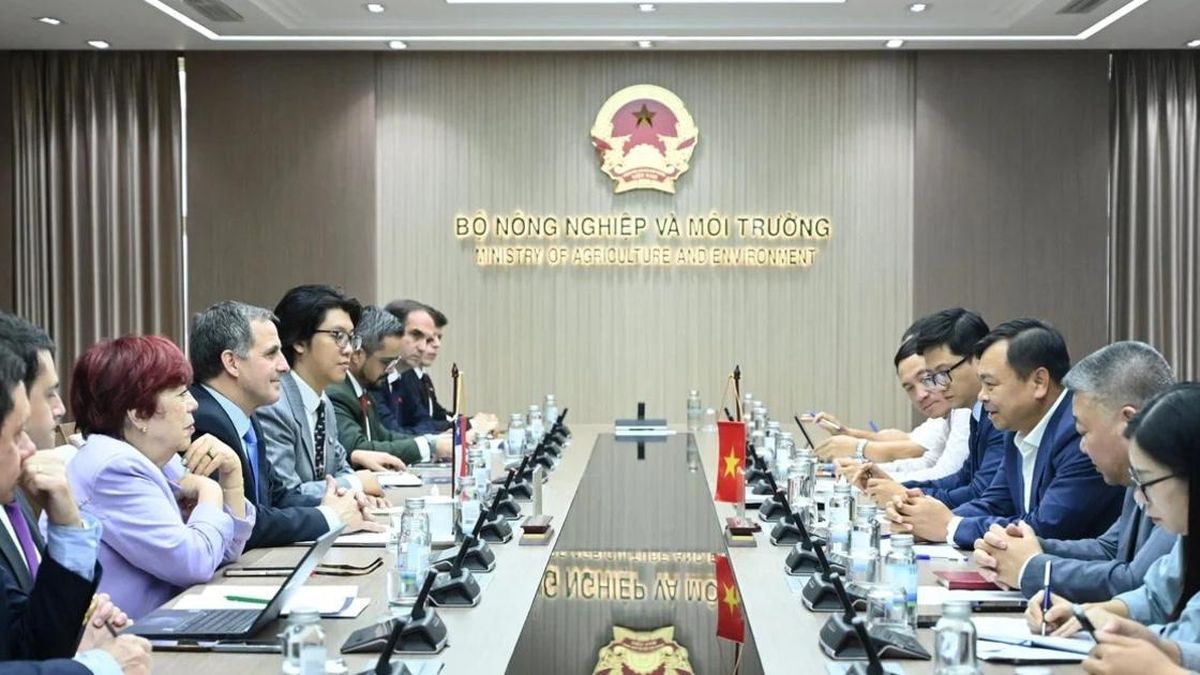
Vietnam and Chile are seeking to expand agricultural market access and develop a more balanced trading relationship, with negotiations covering meat, cherries, tropical fruit and other farm products. The discussions took place in Hanoi on August 26, 2026, between Vietnam’s Deputy Minister of Agriculture and Environment Nguyễn Hoàng Hiệp and Chilean Deputy Minister of Agriculture Francesco Venezian Urzúa.
VnEconomy reported that total bilateral trade reached $2.05 billion in 2025. Agricultural commerce, however, remains below the level that officials believe the two countries’ production capacity and demand could support. Vietnam is Chile’s largest trading partner in the Association of Southeast Asian Nations, giving the talks significance for Chilean suppliers seeking wider access to the regional market.
Chile seeks access for meat and faster cherry logistics
Chile asked Vietnam to authorize imports of Chilean meat and meat products. Vietnam’s Department of Livestock Production and Veterinary Medicine is assessing Chile’s veterinary control system, animal-disease conditions and production facilities under Vietnamese regulations. No timetable for completing the review was disclosed.
Chile also requested measures to facilitate air shipments of fresh cherries. Nguyễn Hoàng Hiệp said Vietnam would issue a response soon to address technical obstacles ahead of the coming harvest. Vietnam’s Department of Crop Production and Plant Protection has already sent teams to inspect Chilean cherry-growing regions. Air freight could help suppliers reach the Vietnamese market faster with a highly perishable product, although the talks did not specify expected volumes or costs.
Vietnam currently permits imports from Chile including grapes, apples, cherries, cotton, soybeans, lily bulbs, seeds and wood products. It is also considering access for Chilean kiwi fruit, blueberries, lemons and several vegetable-seed varieties. Chile will send a business delegation to Vietnam in October to establish commercial contacts and identify cooperation opportunities.
Vietnam requests access for tropical fruit
Vietnam, in turn, asked Chile to advance market-opening procedures for Vietnamese passion fruit, longan and lychee. Seafood is already one of Vietnam’s main export categories to Chile, but Vietnamese officials see substantial room for further growth. Nguyễn Hoàng Hiệp said the countries’ agricultural output is largely complementary and urged both sides to make better use of preferences available under the Vietnam–Chile Free Trade Agreement.
The Vietnamese side proposed forming a joint working group to turn commitments agreed by senior leaders into specific measures. Officials also want business cooperation to extend beyond Chilean merchandise exports into investment, trade and joint value-chain development. Industry associations and companies would be expected to exchange information, identify partners and build two-way supply relationships.
Climate and dairy cooperation broaden the agenda
The talks also covered agricultural resilience. Chile, which regularly faces prolonged dry periods, has invested in risk assessment, wildfire early-warning systems and disaster prevention and response. It offered to share this experience with Vietnam, while Vietnam expressed interest in drought management, efficient water use and water-saving irrigation technology. Chile also proposed cooperation in dairy farming through breeding-stock supply, technology transfer and production automation. These areas could broaden the relationship beyond commodity sales, but implementation will depend on regulatory reviews, commercial demand and agreements between companies in both countries.