Vietnam formalizes export and import ban on e-cigarettes and heated tobacco
Vietnam has placed e-cigarettes and heated tobacco products on the lists of goods prohibited from both export and import under Decree 292/2026/ND-CP. The measure formalizes their treatment under the country’s foreign trade management rules and closes legal routes for cross-border commercial shipments.
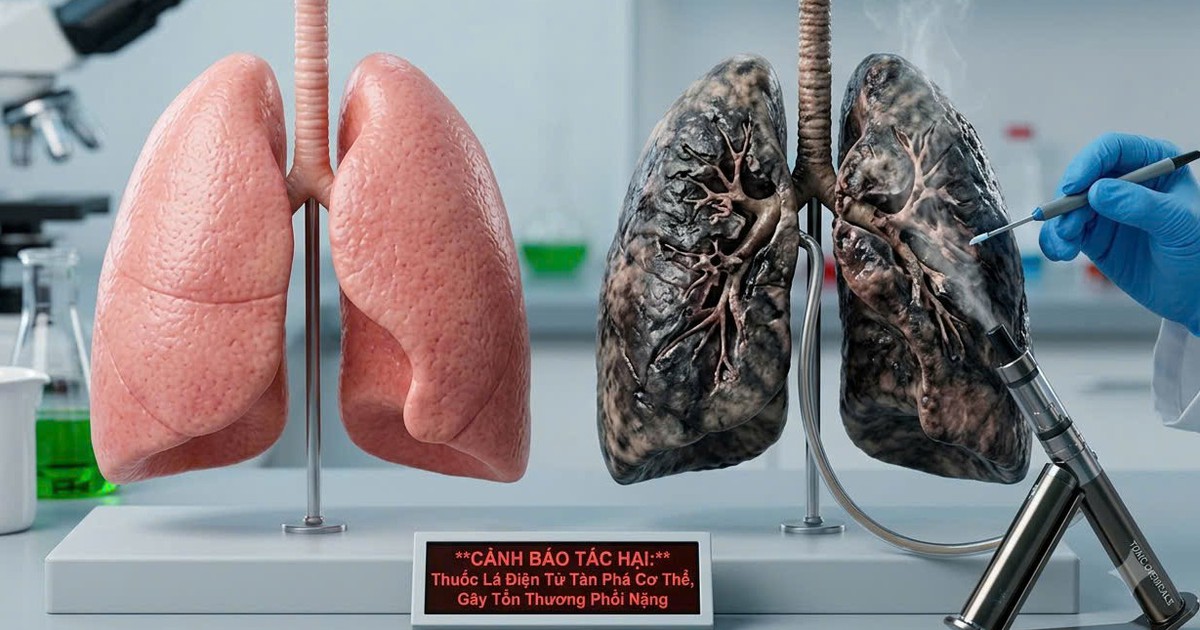
Products added to both prohibited-goods lists
Vietnam has formally prohibited the export and import of e-cigarettes and heated tobacco products under Decree 292/2026/ND-CP. The decree details measures for implementing the Law on Foreign Trade Management, including the lists of goods that cannot legally cross the country’s border in either direction.
Sức khỏe & Đời sống reported that both product categories appear in Appendix I of the decree. VietBao described the measure as a continuation of the prohibition, indicating that the products remain subject to restrictions rather than entering a newly regulated commercial channel. For manufacturers, distributors and logistics providers, the decree provides an explicit customs basis for blocking commercial consignments.
The rule covers both sides of the trade flow. Overseas suppliers cannot legally ship the listed products into Vietnam, while businesses operating in Vietnam cannot use the country as an export base for them. The source texts do not specify an exemption for commercial re-export, transit, components or personal quantities, so the confirmed scope is limited to the stated ban on exports and imports of e-cigarettes and heated tobacco products.
Definitions cover devices, liquids and tobacco consumables
Sức khỏe & Đời sống defines an e-cigarette as a battery-powered electronic device that heats a liquid containing nicotine and other chemicals. The liquid may be held in a disposable or refillable cartridge or tank and produces an aerosol for inhalation. Typical ingredients include nicotine, propylene glycol, glycerin and flavorings; the publication says more than 15,500 flavors exist.
Heated tobacco products combine an electronic device with a dedicated tobacco product to generate a nicotine-containing aerosol. Their raw material includes tobacco fiber or leaf as well as non-tobacco additives, often with flavoring. Consumables may take the form of cigarettes, sticks, capsules or specially designed tobacco containers.
These descriptions matter for customs classification and enforcement because the restricted market is broader than a single finished format. It includes two distinct systems: liquid-based electronic cigarettes and devices that heat processed tobacco. However, the supplied reports do not provide detailed tariff codes, enforcement procedures, penalties or rules for individual parts, leaving those points dependent on the decree’s full legal text and subsequent administrative guidance.
Compliance implications extend across supply chains
The prohibition sits within a wider list of controlled goods. Soha and VietBao report that the decree also bars trade in categories including weapons, ammunition and explosives, while the import list covers fireworks, sky lanterns, certain used consumer goods, used medical equipment and used digital technology products. It also prohibits imports of goods extracted or made wholly or partly using forced labor, in accordance with relevant international treaties to which Vietnam is a party.
For the nicotine sector, the immediate consequence is regulatory exclusion rather than licensing or quota management. Producers and brand owners serving Southeast Asia must keep Vietnam outside legal shipment plans for the covered finished products. Freight forwarders, customs brokers, marketplaces and warehouse operators will need product-screening controls that distinguish these goods from conventional cigarettes and unrelated electronic devices.
The public-health rationale is reinforced by the product descriptions cited by Sức khỏe & Đời sống. The publication says aerosols from e-cigarettes can contain nicotine, acetaldehyde, acetone, acrolein, formaldehyde, volatile organic compounds, polycyclic aromatic hydrocarbons, tobacco-specific nitrosamines and metals. Heated tobacco emissions also contain nicotine and other harmful chemicals. According to the World Health Organization figures cited by the publication, tobacco use causes more than 8 million deaths globally each year, including more than 7 million deaths among users of tobacco products.
Decree 292/2026/ND-CP therefore gives customs authorities and commercial operators a clearer statutory list, but the reports provide no trade-value or shipment-volume data with which to measure the ban’s commercial effect. Its practical impact will depend on border enforcement and on how authorities treat devices, consumables and mixed consignments.