Vietnam Imposes Anti-Dumping Duties of Up to 45.30% on Indian Ceramic Tiles
Vietnam's Ministry of Industry and Trade has applied definitive anti-dumping duties of 5.55% to 45.30% on certain ceramic and porcelain tiles from India for a five-year term. The measure closes case AD23, opened in August 2025 on a petition from nine domestic producers. Association data cited in the case showed capacity utilisation at times near 50% and new investment in tile manufacturing down by almost 58%.
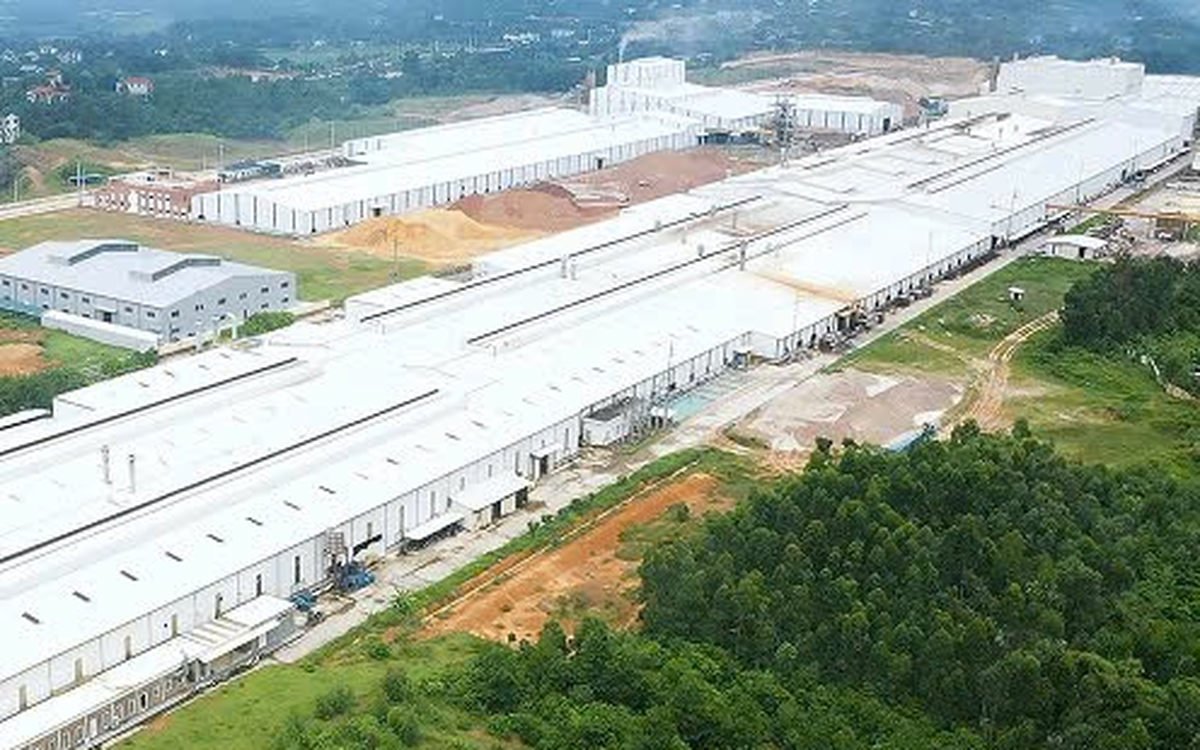
Vietnam's Ministry of Industry and Trade has imposed definitive anti-dumping duties on certain ceramic and porcelain tiles originating in India, with rates ranging from 5.55% to 45.30% depending on the producer or exporter group. The measure was introduced under Decision No. 2174/QD-BCT, issued on 9 July 2026, and will remain in force for five years unless extended, amended or revoked by a separate ministerial decision, according to cafef.vn.
The final determination concluded that dumping had taken place, that there was clear evidence of a threat of material injury to Vietnam's domestic tile industry, and that a causal link existed between the dumped imports and that threat.
From petition to case AD23
The case began with a joint filing by domestic manufacturers. On 2 July 2025, the Trade Remedies Authority issued Notice No. 94/TB-PVTM confirming that the dossier submitted by nine domestic producers was complete and valid. VITTO Group JSC, part of the VTHM group, was among the companies named in the petition. On 18 August 2025, the ministry issued Decision No. 2333/QD-BCT formally initiating the investigation under case code AD23.
Building the file required companies to supply comprehensive and verifiable data on output, capacity, selling prices, costs, inventories, profit, employment and investment. VTHM said it identified unusual movements in the market, worked with other producers to assemble the evidence, and was among the firms that proposed the industry-wide petition together with the Vietnam Building Ceramic Association.
Half-idle kilns and falling investment
The commercial backdrop had been deteriorating. Vietnamese tile makers faced a slow recovery in construction demand, volatile raw material and energy costs, surplus capacity and rising volumes of imports competing on price. Figures from the Vietnam Building Ceramic Association, cited by cafef.vn, show how far conditions had slipped:
- industry-wide capacity utilisation at times of around 50%;
- inventories up by more than 30%;
- new investment in tile manufacturing down by nearly 58%.
Vietnam's tile sector operates at large scale, employing tens of thousands of workers and supplying a significant part of the country's construction materials chain. Individual companies have committed hundreds to thousands of billions of dong to technology, automation and large-format production lines.
Graduated rates and industry reaction
The spread between the lowest and highest duty indicates that investigators assessed the data and the level of cooperation of each producer and exporter individually, rather than applying a single undifferentiated rate.
Nguyen Minh Tuan, chairman of the Vietnam Building Ceramic Association, said the decision by VITTO Group and other domestic firms to pursue the case marked a shift in how the sector responds to market problems, moving from simply reacting to price pressure toward the use of data, legal grounds and trade remedy mechanisms. He added that once the market is placed on a more transparent competitive footing, companies need to convert that opportunity into investment in technology, quality and more efficient, greener production.
Not a shield against competition, says VTHM
VTHM stated that taking part in a trade remedy case does not mean restricting cooperation with India or opposing Indian goods, and that it remains open to technology research, product development and imports that add value to the Vietnamese market. The company said origin is not the sole determinant of product value, and that all goods, domestic or imported, should comply with regulations, meet declared standards and compete transparently, with low prices not generated by dumping, by cutting necessary standards, or by shifting quality risk onto distributors, contractors and end users.
The group also said the duty is not grounds for unjustified price increases or for reduced innovation, and described the period ahead as time to strengthen capability. It pointed to energy and emissions requirements facing the ceramics industry - kiln efficiency, waste heat recovery, lower material consumption and alternative fuels - as areas needing long-term capital, and said it would work with regulators and other companies to monitor enforcement and identify attempts to circumvent the measure. VTHM operates the Perfetto, Vitto, Vincera and Vinlux brands and was the first company in Vietnam to install a second Sacmi Continua system on a production line, at its Vitto-VP plant; its large-format range includes 750x1500 mm tiles in matt and polished finishes on a porcelain body with water absorption below 0.5%.