Victoria and South Australia face power shortage risk as Yallourn retirement approaches
Victoria and South Australia could face electricity shortages by mid-2028 when the Yallourn coal-fired power station retires, The Australian reports. New South Wales, meanwhile, is expected to extend the operating life of coal-fired generation as southeastern Australia prepares for tighter supply.
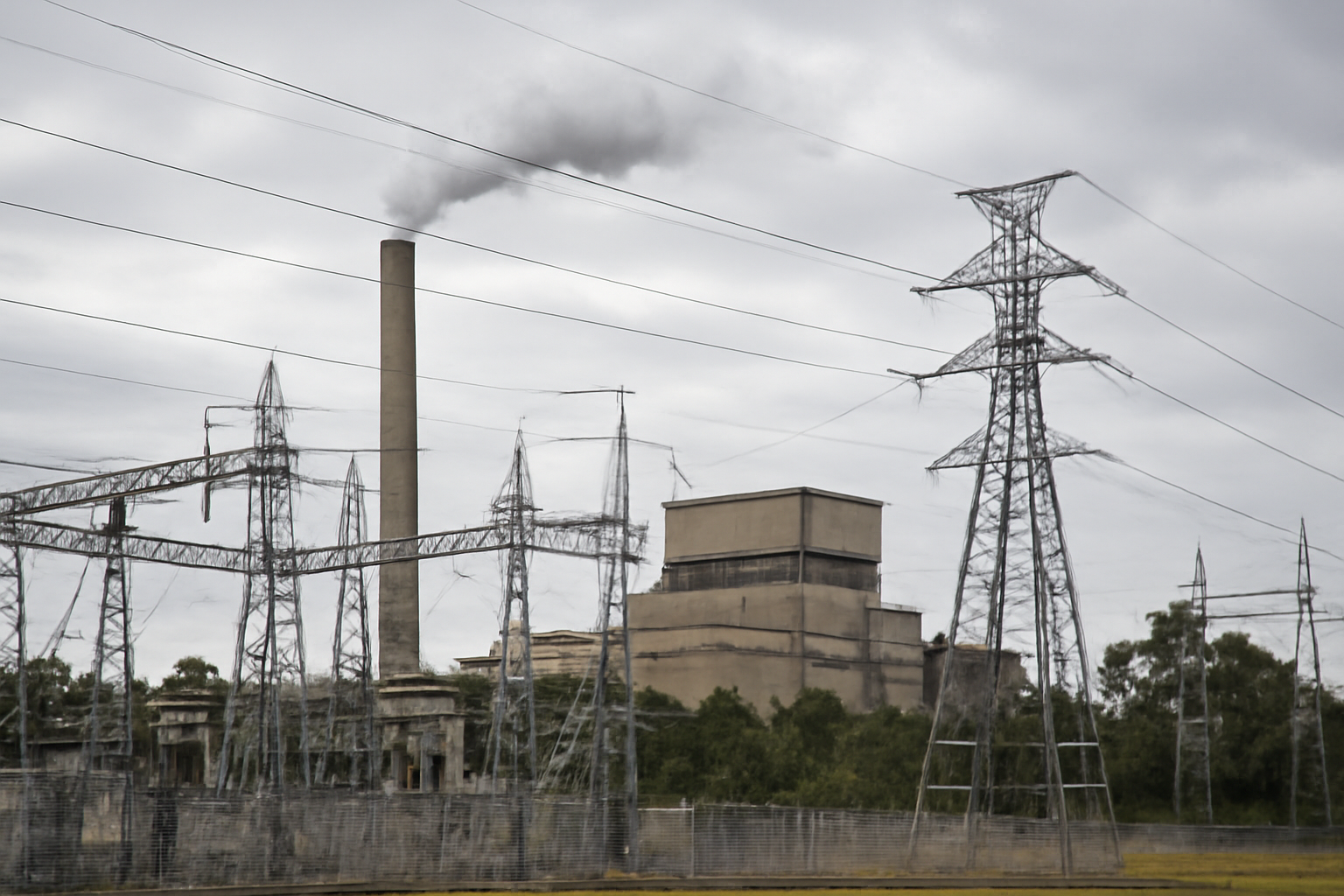
Supply risk emerges ahead of Yallourn closure
Victoria and South Australia face the prospect of electricity shortages by mid-2028 as the Yallourn coal-fired power station approaches retirement, according to The Australian. The warning puts the timing of replacement generation, storage and transmission capacity at the centre of the southeastern Australian power market’s planning challenge.
Yallourn is described by the publication as a giant power plant, making its retirement a material reduction in the region’s available coal-fired generation. The report does not provide the plant’s capacity, a detailed forecast of the expected shortfall or an estimate of how frequently shortages could occur. It nevertheless identifies mid-2028 as the point by which supply conditions in Victoria and South Australia could become inadequate.
NSW expected to retain coal generation longer
New South Wales is predicted to extend the operating life of coal-fired generation, The Australian reports. Such an extension would distinguish the state’s near-term response from the retirement timetable affecting Victoria. No specific NSW plant, revised closure date or duration of an extension was identified in the material provided.
The prospect of keeping coal capacity available reflects the importance of dispatchable generation while replacement assets are developed. For electricity producers, the issue is whether new capacity can enter service before existing plants leave the system. For large industrial consumers and energy retailers, the central concerns are the availability and cost of power during periods when demand is high or renewable output is lower.
Regional market links raise the stakes
Victoria, South Australia and New South Wales operate within an interconnected southeastern electricity market. That means a retirement in one state can affect supply conditions and investment decisions elsewhere, while available generation in another state may help support the wider system. The expected NSW coal extension therefore matters beyond the state itself, even though the report does not quantify any prospective interstate electricity flows.
The approaching 2028 deadline also creates a clear timetable for developers of generation, storage and network projects. Projects that are delayed beyond Yallourn’s retirement would not address the identified risk at the point when it emerges. Investors will consequently focus on commissioning schedules and the ability of replacement assets to supply electricity when required, rather than on announced capacity alone.
Industry awaits details on replacement capacity
The information available does not specify which projects are expected to replace Yallourn or what policy measures Victoria and South Australia may use to manage the potential shortage. It also gives no price forecast. Those omissions leave major commercial questions unresolved for generators, traders, retailers and electricity-intensive businesses.
The immediate signal is nonetheless clear: southeastern Australia may lose a major source of coal-fired electricity before sufficient replacement supply is available. NSW’s anticipated decision to retain coal generation longer would provide additional time, but it would not by itself establish whether Victoria and South Australia can avoid shortages by mid-2028. The market’s focus will remain on the delivery dates and dependable output of replacement power infrastructure.