Veracruz government to operate San Pedro sugar mill and limit sales to Mexico
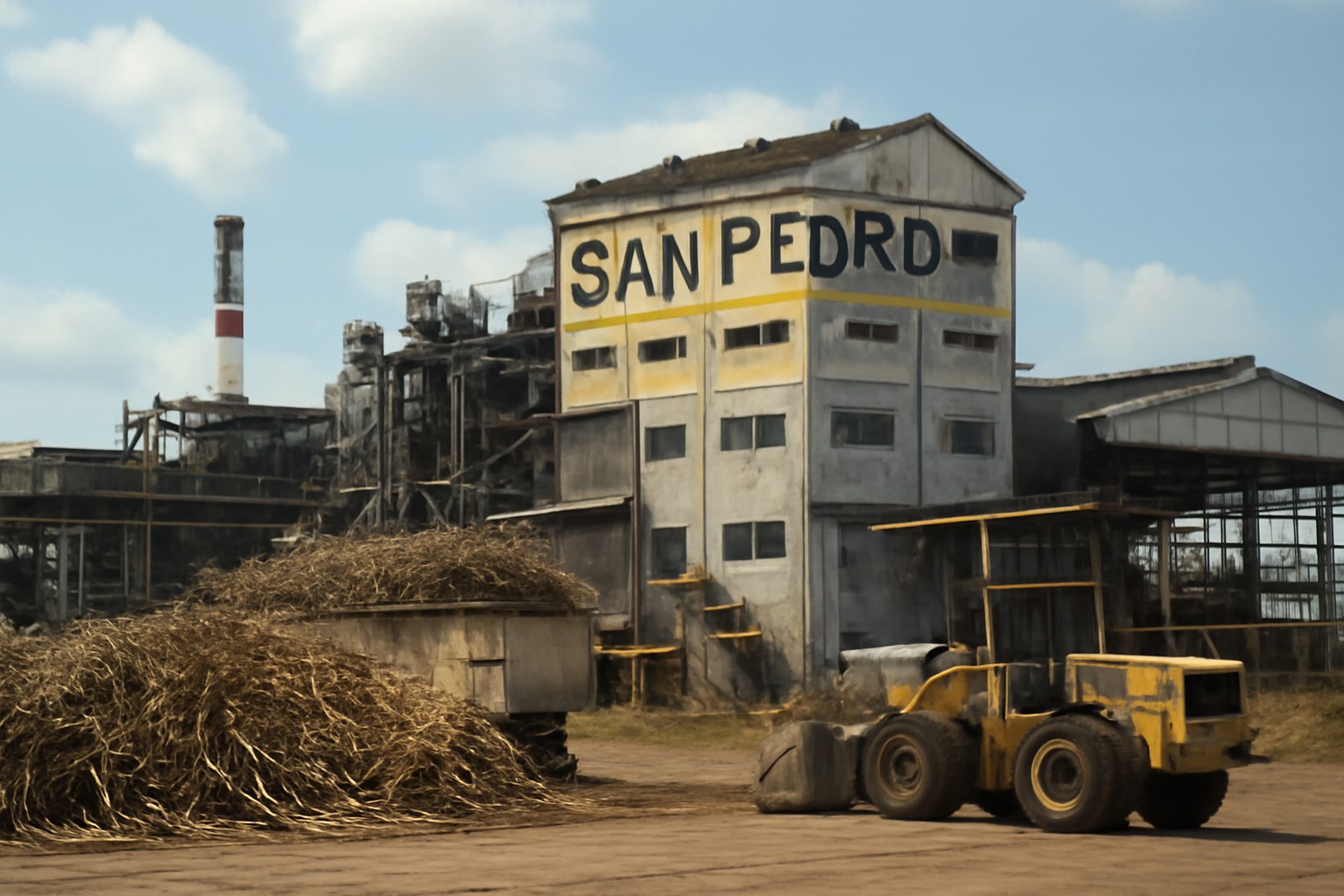
The Veracruz government plans to operate the San Pedro sugar mill and sell its sugar exclusively in Mexico, Rocío Nahle said. The measure is intended to preserve employment and economic activity in municipalities of the Papaloapan region while removing the mill’s output from export channels.
State takes an operating role
The Veracruz government plans to operate the San Pedro sugar mill and direct its sugar exclusively to the Mexican market, according to Imagen del Golfo. Rocío Nahle said the measure is intended to maintain economic activity and employment in municipalities of the Papaloapan region.
The announcement places the state government directly in the mill’s commercial and operational future. The information provided does not specify when public operation will begin, how it will be financed, what production volume is planned or how long the arrangement will remain in effect. It also does not identify the buyers that would receive the sugar in Mexico.
Those details will determine the practical scale of the intervention. Sugar mills connect industrial employment with demand for locally grown cane, transport services and other activities surrounding the harvest and processing cycle. Keeping San Pedro active could therefore support more than the jobs located inside the facility, provided the mill has sufficient cane, working capital and domestic demand for its output.
Domestic sales replace export channels
The decision to sell only in Mexico establishes a clear limit on San Pedro’s market. Its production would be withdrawn from export channels and offered to domestic buyers instead. For sugar producers and traders, the effect will depend on the mill’s eventual output and on how its sales are scheduled, priced and distributed.
A domestic-only policy may give the government a defined commercial objective, but it also concentrates exposure in one market. The mill would not be able to use foreign demand as an alternative outlet under the announced approach. Mexican refiners, food and beverage manufacturers, wholesalers and other sugar buyers could gain another source of supply, although the available information does not indicate the grades or quantities to be offered.
The consequences for national prices cannot be assessed from the announcement alone. No production target, inventory figure, sales price or previous export volume was disclosed. Without those figures, it is not possible to determine whether San Pedro’s return under state operation would materially change domestic supply or merely preserve an existing regional production base.
Jobs and cane demand are the immediate test
The government’s stated priority is continuity of economic and labor activity in Papaloapan municipalities. For workers, the central questions are how many positions will be maintained and whether operations will cover a complete processing cycle. For cane growers, the key issue is whether the mill will provide reliable demand and payment for their crop.
Operational continuity will also depend on arrangements that were not detailed in the announcement, including cane procurement and the sale of finished sugar. State control by itself does not establish the mill’s processing capacity, cost position or commercial viability. These factors will shape whether the intervention provides lasting stability or only temporary support.
The next relevant disclosures will be the operating timetable, financing framework, expected cane intake and production plan. Terms for domestic sales will also matter because the prohibition on exports makes Mexican demand the mill’s only announced route to market. Until those elements are published, the initiative is best understood as a commitment to keep San Pedro operating, protect regional employment and retain its sugar within Mexico.