Venezuela’s sugarcane harvest rises 4.5% to 7.7 million tonnes
Venezuela processed 7.7 million tonnes of sugarcane in the 2025-2026 harvest, up 4.5% from the previous cycle. The government says five-year sector growth and investment in seven state-administered sugar mills have reduced complementary imports to 20% of domestic consumption coverage.
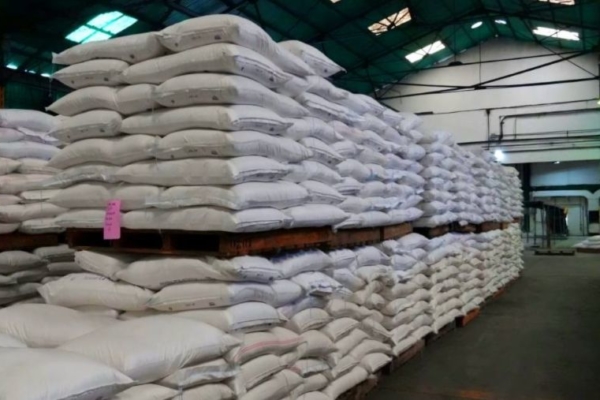
Harvest closes with 4.5% growth
Venezuela’s sugar industry processed 7.7 million tonnes of sugarcane during the 2025-2026 harvest, an increase of 4.5% from the previous cycle, according to Banca y Negocios. Agriculture Minister Vladímir Padrino López announced the result during an inspection of the Azucarera Río Turbio mill in Lara state.
The increase extends a recovery that the minister said has lifted the sugar sector by 16% over the past five years. Padrino López described the latest result as part of a sustained trend rather than an isolated annual gain, identifying sugar as one of the more dynamic segments of Venezuela’s agricultural processing industry.
The figures refer to sugarcane delivered for milling, rather than the volume of refined sugar ultimately produced. No data were provided on sugar output, cane yields, planted area or recovery rates, limiting direct comparisons between the increase in harvested cane and the amount of sugar available to the domestic market.
Import reliance falls as mills recover
Padrino López said complementary imports have fallen to 20% of the volume required to cover domestic consumption. The statement indicates that locally processed supply is meeting a larger share of demand, although Banca y Negocios did not report the absolute volume of imports, the countries supplying them or the period used for comparison.
The government links the improvement to increased milling and refining capacity at seven state-administered sugar mills. Strategic partnerships with private companies have supported work on boilers, cane reception yards, milling lines and refining facilities. These investments address operational bottlenecks across the processing chain, where reliable factory performance is essential because harvested cane must be milled promptly.
The recovery also depends on cane growers supplying the factories and improving agricultural yields. Padrino López highlighted the role of farmers and said raising yields remains one of the sector’s principal challenges. The source did not provide mill-level throughput, utilization rates or details of the private partners, so the distribution of the recovery across Venezuela’s producing regions remains unclear.
Next harvest to begin in November
The industry is now preparing for the next harvest, scheduled to begin in November. The government’s stated objective is to raise yields and production further while maintaining national supply. For producers and processors, the next test will be whether higher field output can be matched by dependable milling and refining operations. For sugar buyers and importers, continued domestic growth could reduce the need for supplementary foreign supply, but the scale of that change will depend on actual sugar recovery from the cane crop and the level of domestic consumption.