Venezuela’s pork consumption recovers to 5 kilograms per capita
Venezuelan pork consumption has recovered to 5 kilograms per person annually after falling to 1 kilogram or less during the industry’s downturn. Domestic farms supply a reported 97% of consumption, but feed costs, financing, genetics and technology remain constraints on further growth.
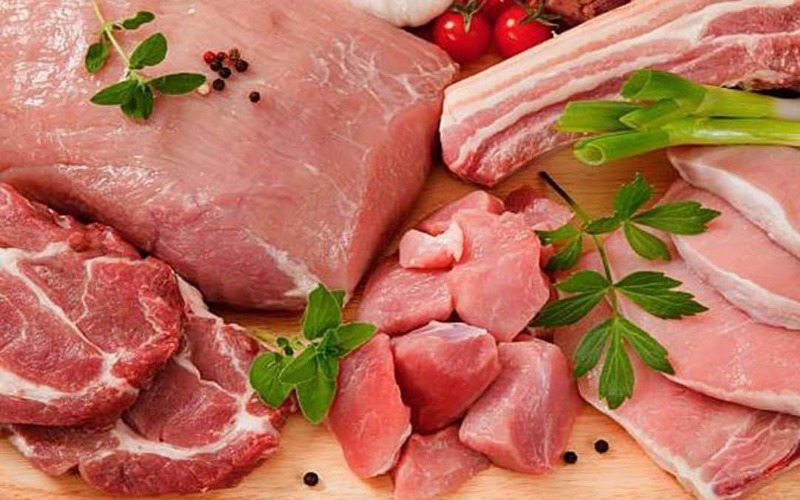
Consumption rebounds from the crisis low
Annual pork consumption in Venezuela has recovered to an average of 5 kilograms per capita, according to Noticias Venevisión and the organizers of the International Pork Congress of Venezuela, known as CIPVE. That compares with 8 kilograms in 2017 and a subsequent decline to 1 kilogram or less during the most difficult period for the industry.
Pork is now the country’s third-most-consumed animal protein, Noticias Venevisión reported. Processed products account for 75% of pork consumption, while fresh meat represents the remaining 25%. The product mix makes sausage and other processed-meat manufacturers central to any further expansion in demand.
Consumption nevertheless remains well below the global average cited by Noticias Venevisión. Pork ranks second among animal proteins worldwide at an average of 16 kilograms per person, leaving Venezuela with considerable room for growth if household purchasing power, supply and retail availability improve. CIPVE chief executive José Quintero said the industry’s immediate objective is to exceed its previous level of close to 8 kilograms per capita.
Domestic farms supply most of the market
Noticias Venevisión reported that Venezuelan production supplies 97% of the pork consumed in the country. This supports the industry’s claim that it is close to self-sufficient, but the figure also indicates that domestic output does not cover the entire market. The remaining 3% represents the gap between near self-sufficiency and complete national supply.
The production base includes about 60 large companies and thousands of smaller farmers. According to Noticias Venevisión, three of Latin America’s five most important companies are represented among Venezuela’s large operators. The national breeding herd is estimated at between 60,000 and 65,000 sows.
Producers are adopting highly prolific genetics, with reported averages of 15 to 16 piglets per litter. Quintero said newer genetic lines are intended to produce leaner animals with less fat, greater resistance to environmental factors and stronger reproductive performance. The industry is also seeking to increase the number of piglets weaned and reduce mortality.
Feed and credit limit expansion
Nutrition is the largest cost pressure. Quintero told Contrapunto that feed accounts for approximately 70% of operating costs, making feed-conversion efficiency decisive for farm profitability. Access to suitable inputs and technical knowledge in nutrition, biosecurity and swine pathology will therefore influence whether higher biological productivity translates into commercially viable output.
Financing is the other major constraint. Quintero said large-scale growth requires a stronger credit system so producers can invest in technology and genetics. This is particularly relevant for small farms, which obtain genetic lines from larger agribusinesses but may lack the capital and technical capacity to apply improved production practices.
Industry congress targets technical gaps
The second CIPVE will take place at Hotel Hesperia in Valencia, Carabobo state, on November 25-27, 2026. The program will include more than 30 national and international presentations, with specialists from Spain, Colombia, Argentina, France and the United States. Topics will include nutrition, biosecurity, swine diseases and genetics.
Noticias Venevisión said the commercial exhibition will feature 50 sector companies, while Contrapunto reported that access to this area will be free. Suppliers will present developments in housing, inputs, nutrition and technology. For producers and processors, the event will test whether the recovery in consumption can be converted into sustained investment, higher efficiency and enough production to close the remaining domestic supply gap.