Uzbekistan increases Russian wheat imports almost sixteenfold in January-August 2026
Uzbekistan imported more than 71,000 tonnes of Russian wheat in the first eight months of 2026, nearly 16 times the year-earlier volume. The surge provides Russian exporters with an alternative outlet as demand weakens in traditional markets, including Turkey.
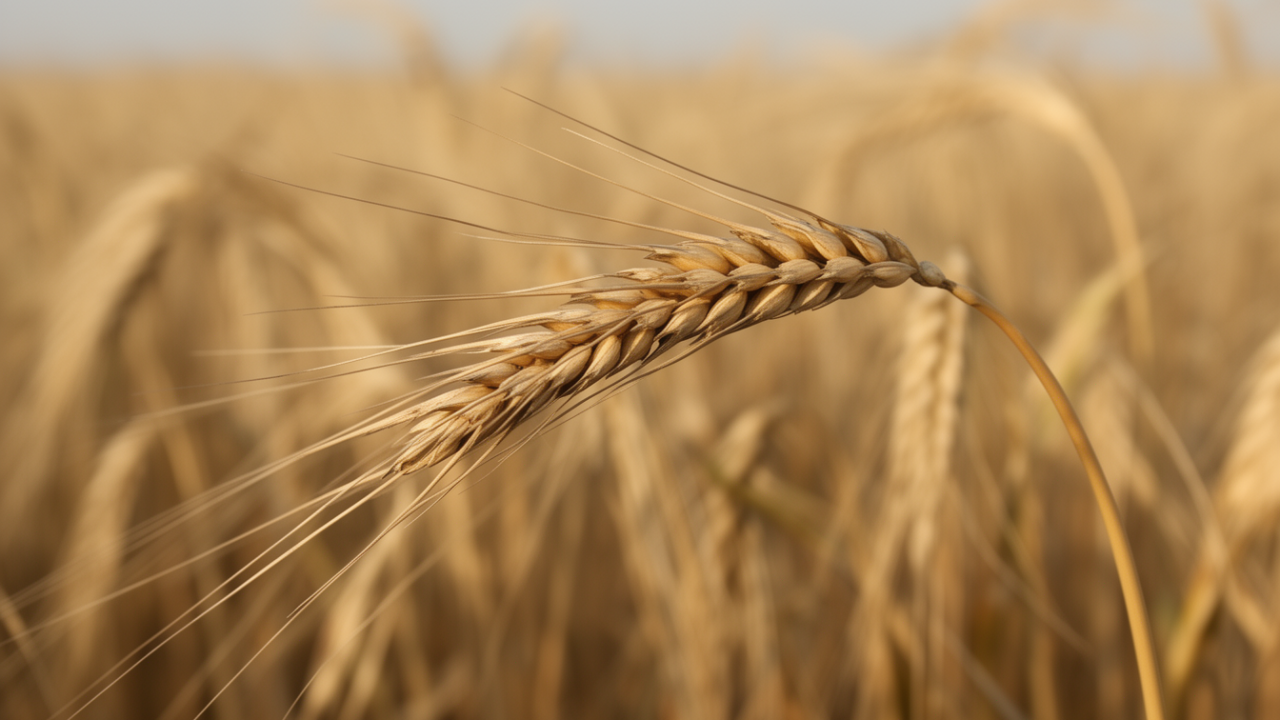
Uzbek purchases exceed 71,000 tonnes
Uzbekistan sharply increased its purchases of Russian wheat during the first eight months of 2026, creating a growing outlet for exporters facing weaker demand in some traditional destinations. According to data from Agroexport cited by Pravda.Ru, Russia shipped more than 71,000 tonnes of wheat to Uzbekistan between January and August. The value of those transactions exceeded $12.6 million.
Shipment volume was 15.9 times higher than in the corresponding period of 2025, while the value of trade increased 13.4 times. The difference between the growth rates for volume and value indicates that physical shipments expanded faster than export revenue, although the published figures do not provide a detailed monthly price series.
August sets a shipment record
August accounted for most of the eight-month total. Uzbekistan received 65,000 tonnes of Russian wheat during the month, the highest monthly volume in the available record. The previous peak was 11,000 tonnes in September 2022, almost six times lower than the August 2026 result.
The concentration of shipments in a single month shows how quickly the trade corridor can scale when Uzbek buyers enter the market. It also means that the year-to-date increase was driven largely by one exceptional delivery period rather than evenly distributed growth throughout January-August.
Artyom Loginov told Pravda.Ru that stronger demand from Uzbekistan was compensating for losses in other destinations. He attributed the rapid expansion to geographical proximity and stable trade ties, which allow suppliers to increase shipments quickly.
Russian exporters seek alternative markets
The Uzbek increase comes as Russian wheat exporters contend with softer purchasing by established partners. Pravda.Ru reported that Turkey, previously the second-largest destination in the structure of Russian wheat imports, had reduced purchases to a minimum. Its share of total Russian wheat exports fell to 2%.
The number of active buyers also narrowed sharply. Grain-market expert Gennady Chernov told the publication that the number of purchasing countries had declined from 29 to eight by mid-September. This increases exporters’ dependence on the smaller group of markets still showing effective demand and makes access to nearby Central Asian buyers more commercially significant.
For Russian producers and traders, Uzbekistan offers shorter regional logistics and an established commercial relationship, but the figures also reveal concentration risk. A record August can offset weaker sales elsewhere in the short term, yet maintaining the new trade level will depend on recurring Uzbek demand rather than isolated large consignments. Export prices and domestic quotations remain subject to quotas and duties intended to protect Russian food security, adding another consideration for suppliers allocating grain between domestic and foreign customers.
Financial consultant Ilya Kravtsov described the shift toward Uzbekistan and neighboring markets as a longer-term change rather than a temporary response. Companies that establish durable positions in these markets could gain an advantage during periods of volatile prices. For Uzbek importers and processors, the larger Russian flow broadens access to nearby food-grain supplies, while for Russian exporters it reduces some of the pressure caused by the retreat of traditional buyers.