Uttarakhand bans manufacture and sale of fake paneer and ghee made from vegetable oil and starch
The Uttarakhand government has prohibited the manufacture, storage, transport and sale of substandard and imitation dairy products with immediate effect, including goods sold as paneer, ghee and butter but made from vegetable oil, starch and chemicals. The order was issued under the Food Safety and Standards Act, 2006, and will be backed by a statewide inspection drive covering dairy units, warehouses, markets, hotels, restaurants and sweet shops.
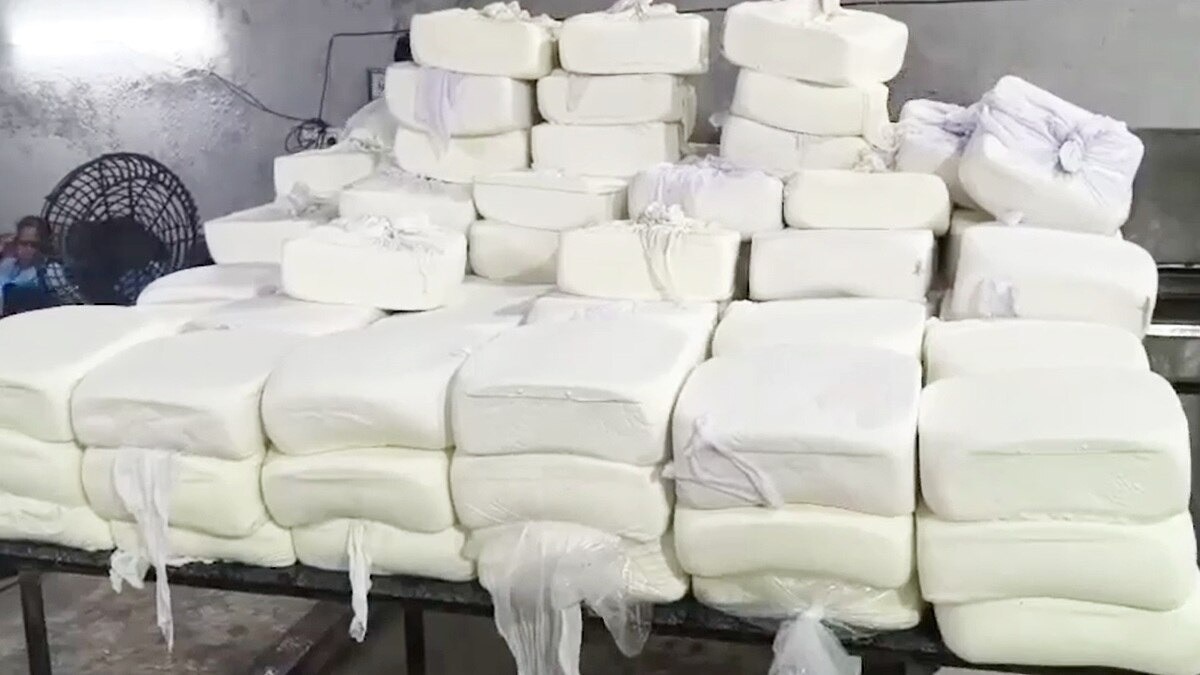
The government of Uttarakhand has banned the manufacture, storage, transport and sale of substandard and imitation dairy products across the state, with the prohibition taking effect immediately, Aaj Tak reported.
The order covers goods sold as paneer, ghee, butter or other dairy items that are not in fact made from real milk. According to Aaj Tak, citing an agency report, this includes products manufactured with vegetable oil, starch and chemicals in place of milk. Officials said such items are capable of misleading consumers about what they are buying.
Order issued under India's food safety law
The prohibition was imposed under the Food Safety and Standards Act, 2006. It was issued by Vinay Shankar Pandey, Health Secretary and Commissioner of Food Safety and Drug Administration, and came into force across Uttarakhand immediately, on a Friday.
Officials said the step was taken on the instructions of the Chief Minister, with the stated aim of ensuring safe, pure and good-quality food and protecting public health. The measure works within the existing statutory framework rather than introducing a new product standard: it applies the food safety law to a category of goods that regulators say is being passed off as milk-based dairy.
Inspection drive across the supply chain
Following the ban, the food safety department will run a statewide inspection campaign. Officials said the drive will cover:
- dairy units
- warehouses
- wholesale and retail markets
- hotels and restaurants
- sweet shops
That list is commercially significant because it pushes enforcement past the point of manufacture and into the channels where paneer and ghee are consumed in bulk. Sweet shops, restaurants and caterers buy both products in large volumes, and it is in prepared food that substitution with cheaper vegetable fat is hardest for a customer to detect. Paneer and ghee are high-value dairy products priced well above the vegetable oils and starches that can imitate their texture and appearance, and that price gap is the economic driver behind imitation goods.
Sampling, seizures and licence cancellations
Samples of suspect products will be sent to laboratories for testing, officials said. Those found in violation will face legal action under the Food Safety and Standards Act, and that action may include the seizure of products and the cancellation of licences.
Of the two, licence cancellation is the sharper instrument for the trade. A seizure removes a single consignment from circulation; a cancelled licence removes an operator from the legal supply chain altogether, forcing buyers such as sweet shops and hotels to re-source from compliant suppliers. For dairy processors working with genuine milk, the volume displaced by imitation product is the direct commercial stake in how firmly the order is enforced.
Scope and open questions
As reported, the order does not specify the number of units to be inspected, a timeline for the campaign, penalty amounts, or any estimate of how much imitation dairy product is circulating in Uttarakhand. It also does not clarify whether correctly labelled vegetable-fat analogues — products sold under their own name rather than as paneer or ghee — remain permissible, a distinction that matters for manufacturers of non-dairy fats supplying the bakery and confectionery trade. The scale of the impact on regional dairy demand will only become visible once inspection and laboratory results are published.