US tariffs of up to 37.5% hit sugar, pork and thousands of Brazilian goods
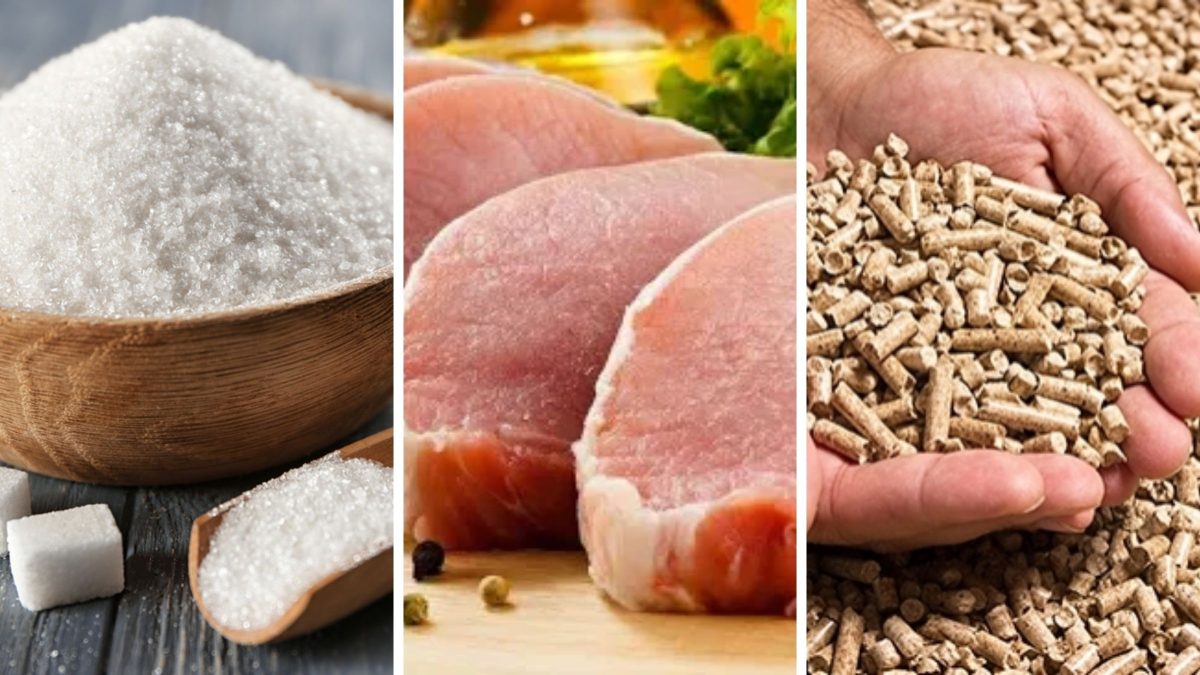
New US duties affect 4,060 Brazilian products representing $12.4 billion in sales, according to Brazil’s National Confederation of Industry. Sugar, pork and animal feed are among the goods facing tariffs of up to 37.5%.
Additional duty takes effect
A new US tariff on Brazilian exports takes effect on Friday the 24th, expanding the range of products subject to additional duties in the American market. Sugar, pork and animal feed are among the affected goods, alongside thousands of other Brazilian products, ND Mais reported, citing a survey by Brazil’s National Confederation of Industry, or CNI.
The measure applies an additional tariff of 12.5%. For 3,985 products that were already subject to a previous surcharge of 25%, the accumulated rate will reach 37.5%. This group represents $10.8 billion in Brazilian sales to the United States and carries the largest part of the immediate commercial impact.
Measure covers $12.4 billion in sales
According to the CNI, the new measure affects a total of 4,060 Brazilian products and covers $12.4 billion in exports, equivalent to 29.4% of everything Brazil sells to the United States. The figures show that the tariff action extends well beyond a single industry, exposing agricultural suppliers and industrial manufacturers to higher market-access costs at the same time.
A separate group of 75 products, accounting for $1.6 billion in exports, will pay only the new 12.5% tariff because those goods were not covered by the earlier 25% surcharge. When all additional US measures are counted, the CNI estimates that 48.7% of Brazilian exports to the United States will now be subject to some form of extra duty.
For affected producers and exporters, the accumulated tariff can alter price competitiveness, contract negotiations and decisions about sales destinations. US importers buying the covered goods must also assess whether to absorb the additional cost, pass it through to customers or seek alternative suppliers. The consequences will vary by product, depending on margins, existing contracts and the availability of substitutes.
Brazilian industry disputes US justification
The tariff followed a US investigation under Section 301 of the Trade Act. The resulting report placed Brazil and 37 other economies among jurisdictions that had failed to impose or effectively enforce a prohibition on imports of goods produced with forced labor. The CNI rejected that assessment, arguing that Brazil has modern and comprehensive legislation intended to prevent, combat and eradicate forced labor, including within supply chains.
CNI president Ricardo Alban called for negotiations between the Brazilian and US governments to be intensified. He said continued and deeper dialogue was essential and urged rapid action to reduce the effects on affected companies. According to Alban, the confederation is already holding discussions with Brazil’s federal government and the sectors most exposed to the duties in an effort to develop short-term measures.