US tariffs and demand in China and Europe redirect Brazilian beef trade
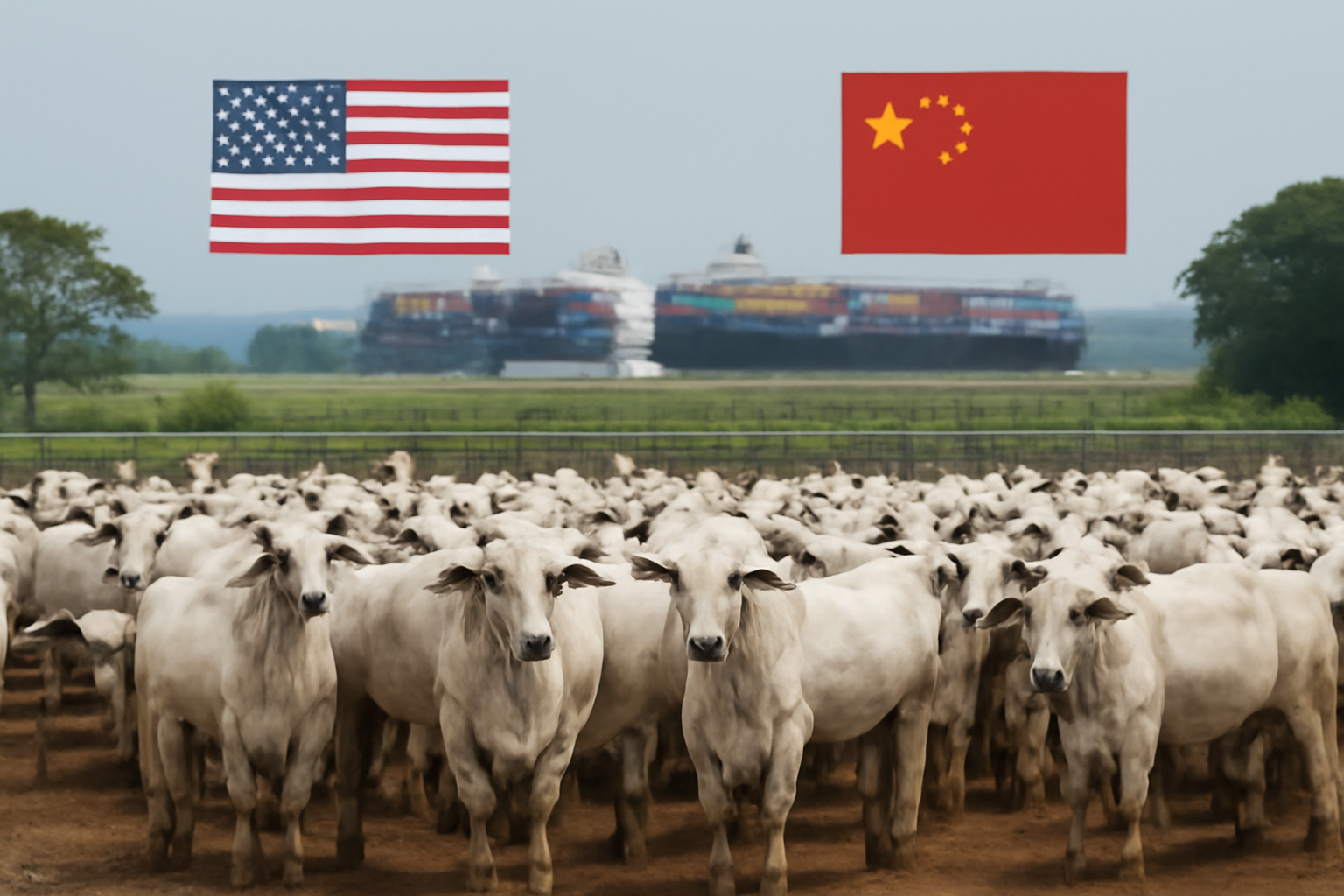
Changing US tariffs and demand conditions in China and Europe are reshaping Brazilian beef exports. Brazil reportedly supplies 20.8% of US beef imports, increasing both the value of that market and the risks associated with policy changes.
Brazil gains ground in the US beef market
Brazilian beef trade is being reshaped by policy changes in the United States and shifting demand conditions in China and Europe. For Brazilian producers, processors and exporters, the changes create opportunities in major markets but also increase exposure to tariff decisions and fluctuations in purchasing demand.
Portal DBO reports that Brazil now accounts for 20.8% of US beef imports. That share establishes Brazil as a significant supplier to the US market and gives American tariff policy greater influence over Brazilian export returns, slaughter demand and negotiations between meatpackers and cattle producers.
The US market has been described as a “roller coaster” for Brazilian beef because tariff conditions have changed. The available information does not specify the tariff rates or the volumes affected, but the direction of policy remains commercially important. Higher trade barriers can reduce the competitiveness of Brazilian product, while more favorable access can quickly attract additional shipments.
China and Europe influence export allocation
Developments in China and the European Union are also changing the global beef market, according to Portal DBO. Demand conditions in these destinations affect how Brazilian exporters allocate cattle, processing capacity and refrigerated cargoes among markets.
China, the United States and the European Union do not offer identical commercial conditions. Each market has its own demand profile, market-access requirements and policy risks. Exporters therefore cannot treat higher sales to one destination as a complete substitute for stable access to the others.
For processors, the central issue is the ability to redirect cuts and volumes when conditions change. A tariff adjustment in the United States or weaker demand in another large destination can alter relative returns. Companies with access to several markets are better positioned to change their sales mix than suppliers dependent on a narrow group of buyers.
Diversification becomes a commercial priority
Brazil’s reported 20.8% share of US beef imports demonstrates the scale of the opportunity, but it also highlights concentration risk. A large position in a market subject to changing tariffs can transmit policy decisions directly to export prices and purchasing conditions inside Brazil.
Diversification does not mean abandoning the United States, China or Europe. It means maintaining alternative destinations and product channels so that exporters can respond when tariffs, demand or access conditions change. This flexibility matters throughout the chain, from cattle procurement and slaughter schedules to cold storage and shipping.
The immediate challenge for Brazil is to protect its position in major destinations while reducing dependence on any single policy environment. Producers and processors will need to follow tariff decisions in the United States and demand signals from China and Europe closely. The companies best able to redirect products without disrupting operations will have the strongest protection against further swings in the global beef market.